
Last updated November 21, 2026
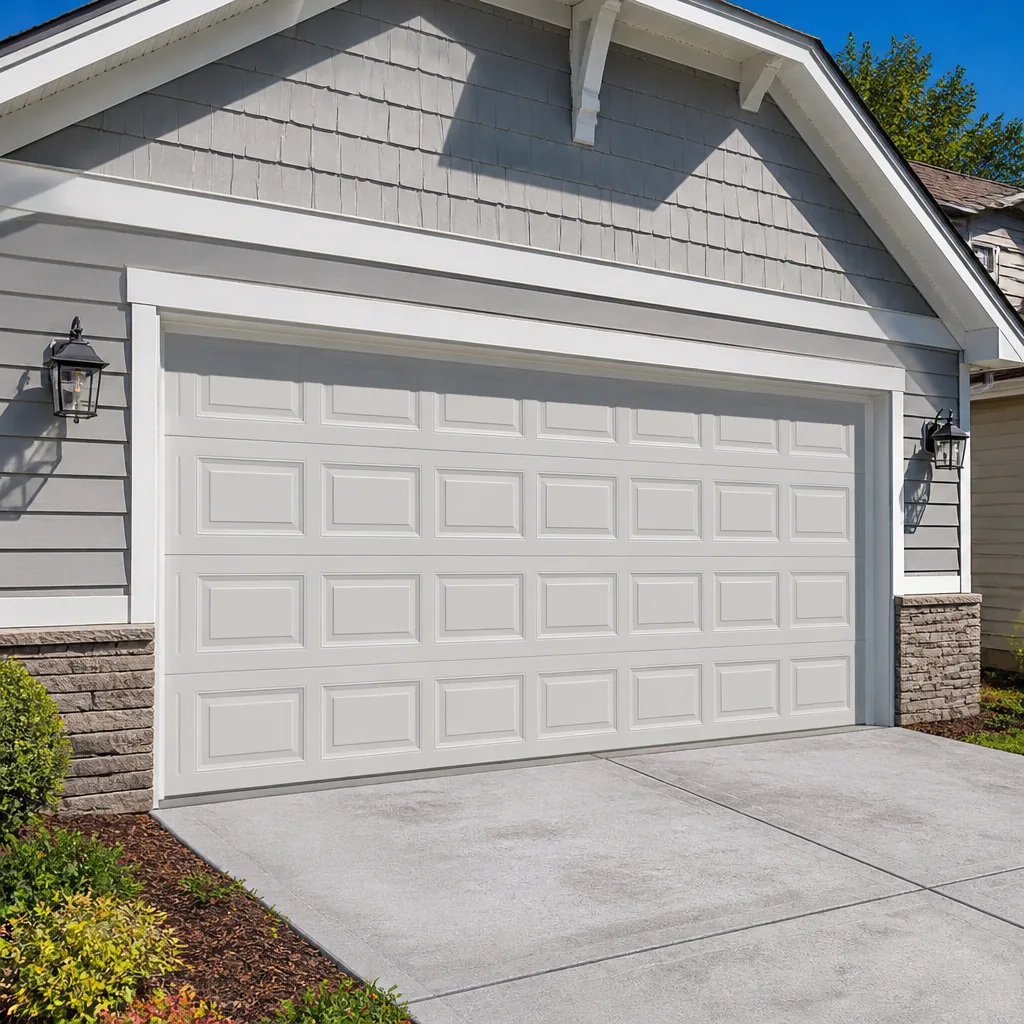 Raised-panel steel
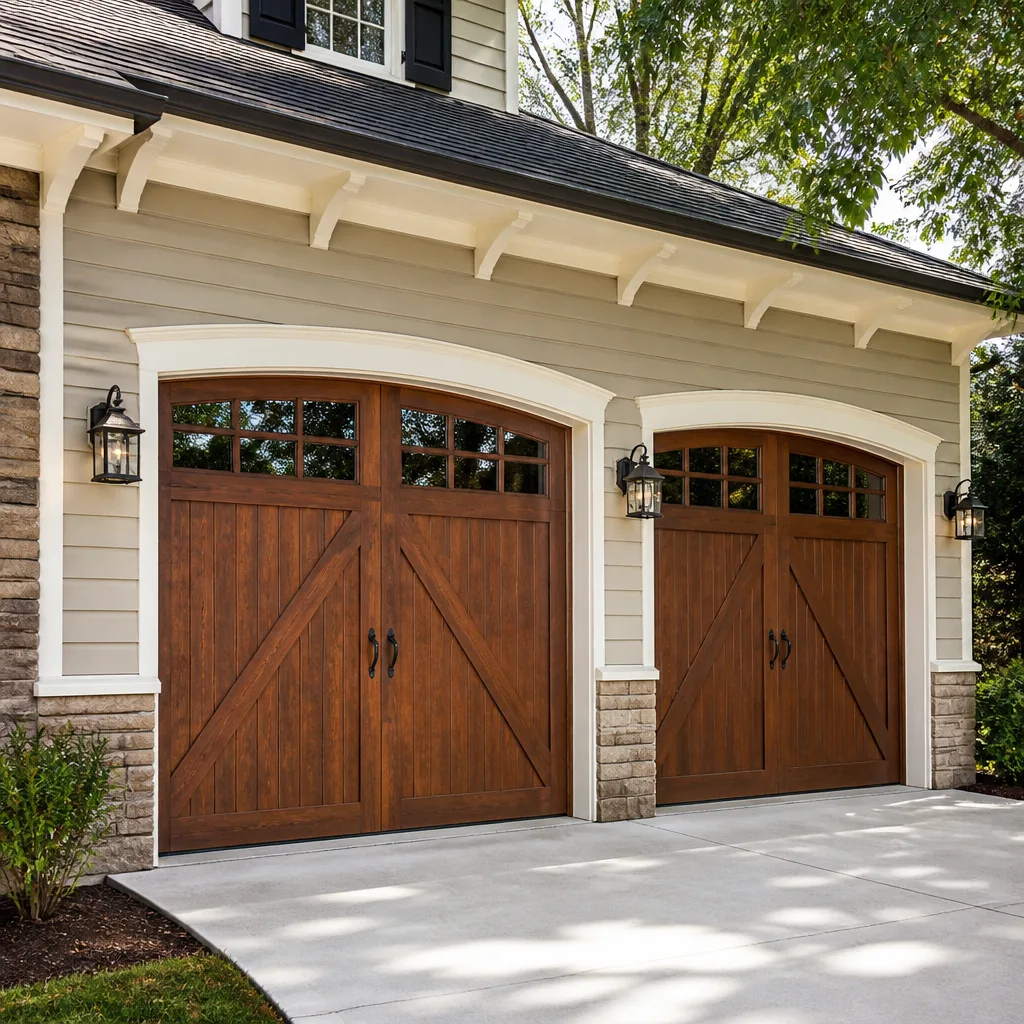 Carriage house
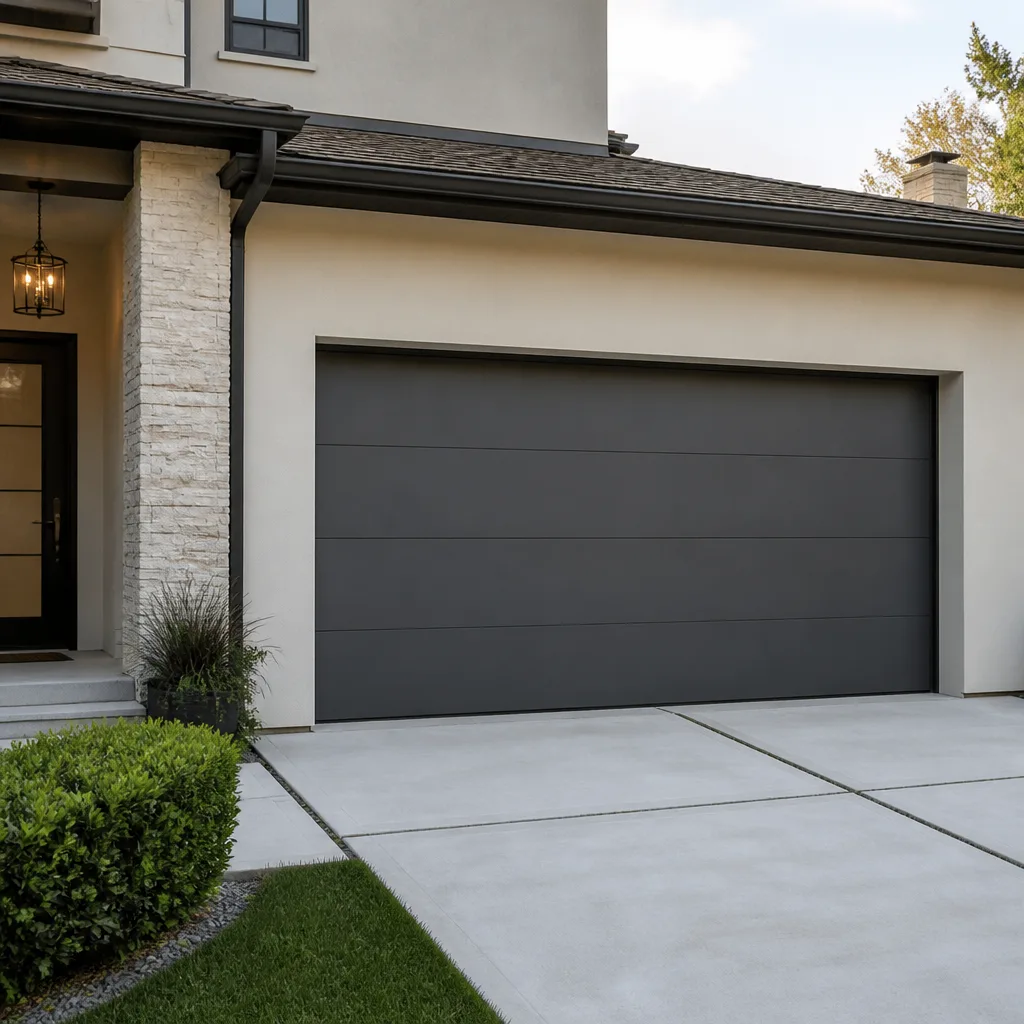 Modern flush
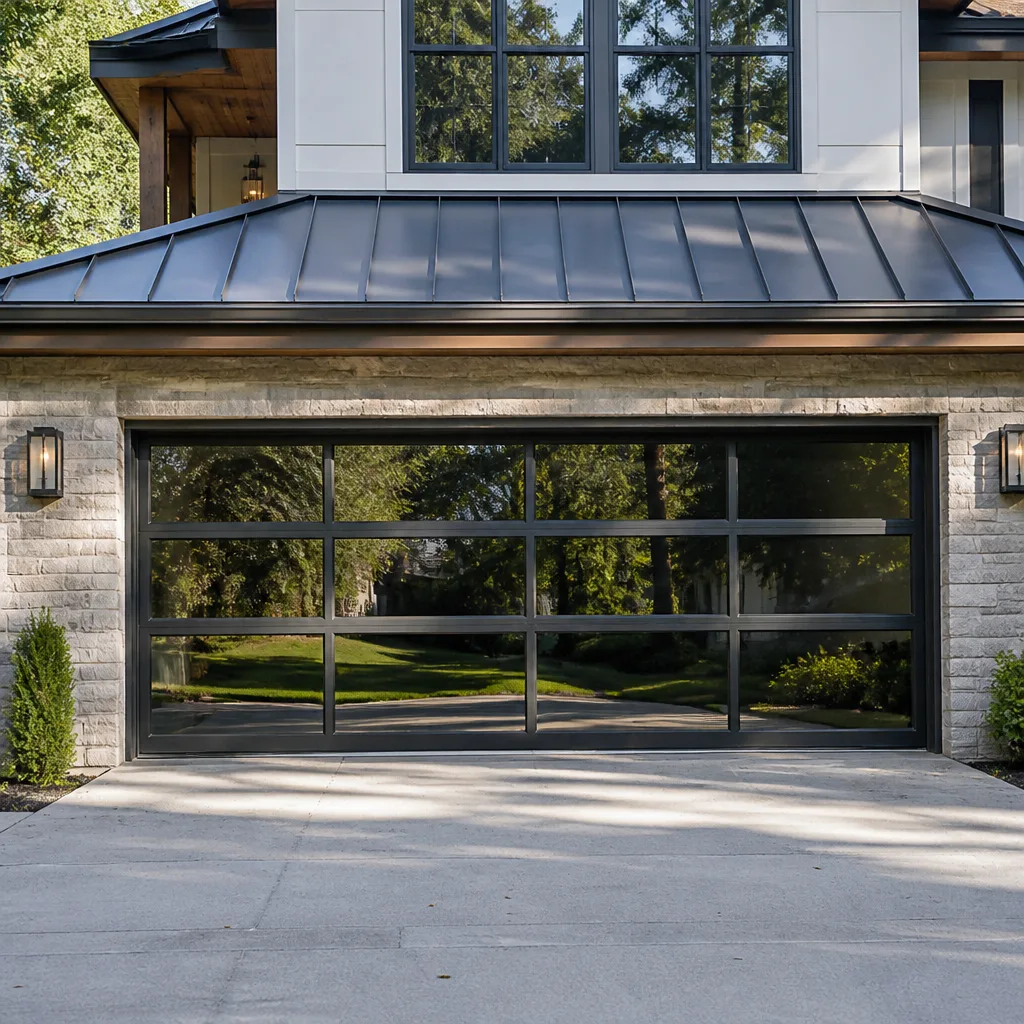 Full-view glass
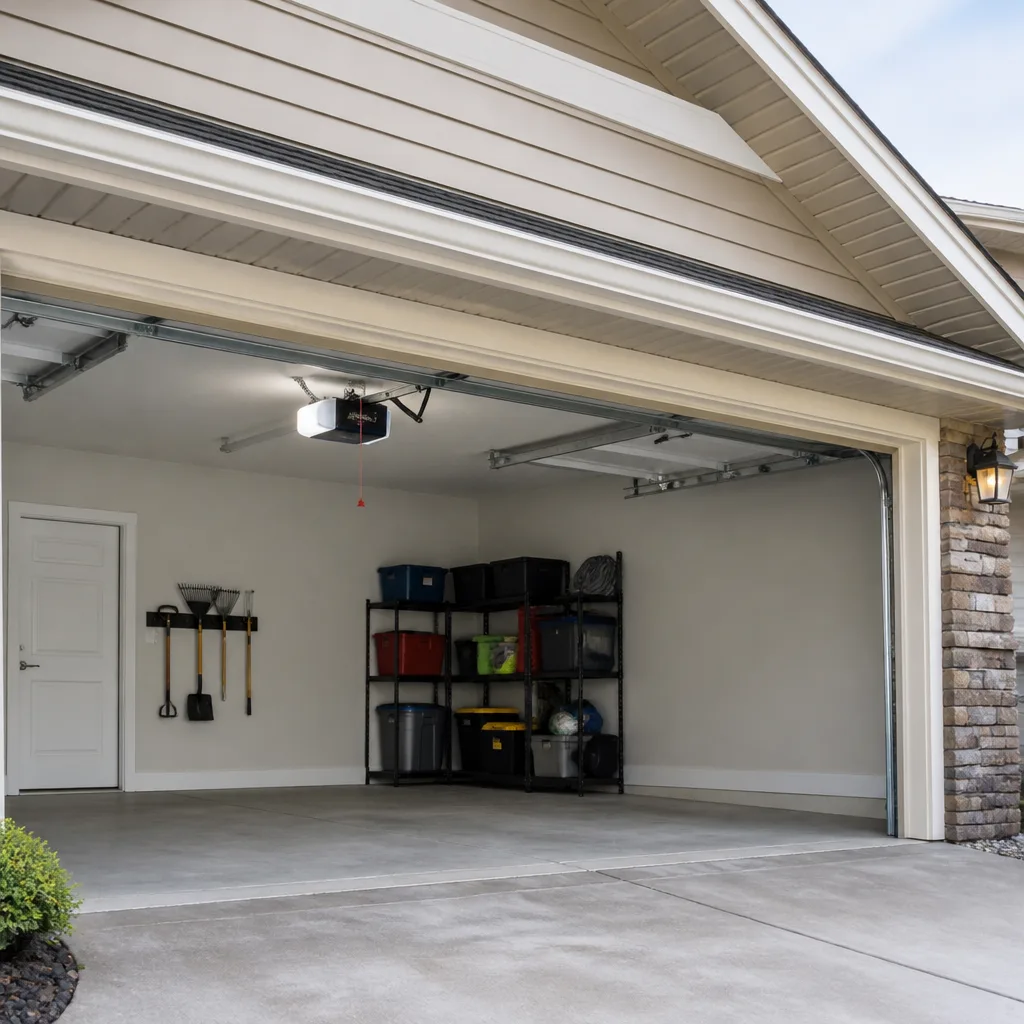 LiftMaster openers
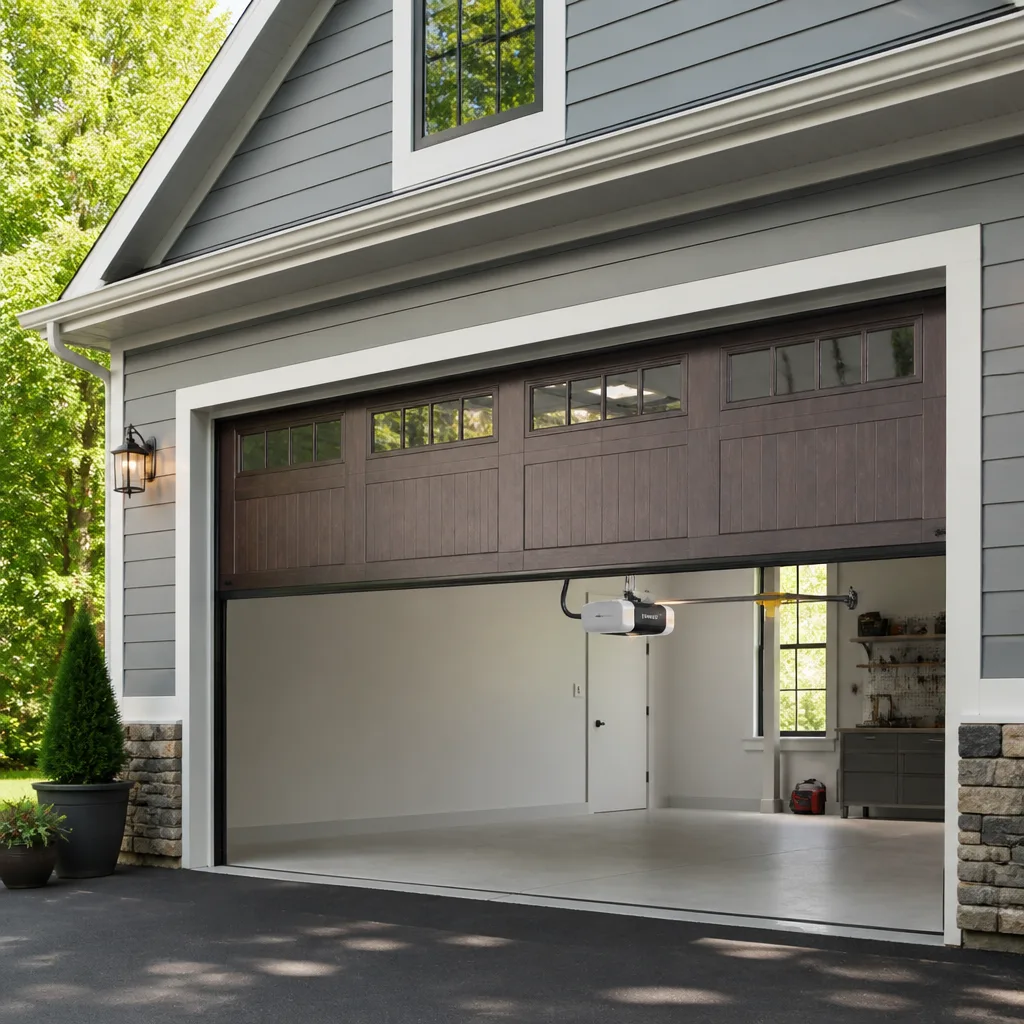 Chamberlain openers
Full 25-point door and opener safety check with every visit - springs, cables, rollers, tracks, and your LiftMaster or Chamberlain opener included
You get a price before we start. It does not change when the pro arrives.
Get your free estimateGarage Door Warning Signs: A Tenleytown Homeowner’s Reference Guide
A garage door doesn’t just fail. It telegraphs the failure first, usually for weeks before anything actually breaks. The homeowners who end up making an emergency call are almost always the ones who ignored a sound, a slowdown, or a slight hesitation for a month or two. Tenleytown’s housing stock makes this especially relevant: brick colonials and older rowhouses around Fort Circle and along Wisconsin Avenue tend to carry heavy original wood doors on aging hardware, and heavy doors punish weak springs and worn cables faster than the lightweight modern panels you see in newer construction. This guide shows you how to read the early signals so you can schedule a repair on your terms instead of paying for one at the worst possible moment.
Quick Answer
Garage door failures announce themselves 30 to 90 days in advance through a small set of signals: grinding or popping sounds, a door that slows or stutters mid-travel, visible cable fraying, and a door that won’t stay balanced when you release the opener. If you catch any of these early, you’re looking at a scheduled repair. If you ignore them, the same underlying problem usually turns into a snapped spring, a dropped door, or an opener that burns out under strain.
Styles & brands we work with
- Raised-panel steel
- Carriage house
- Modern flush
- Full-view glass
- LiftMaster openers
- Chamberlain openers
Table of Contents
- The Difference Between a Settling Sound and a Spring Under Stress
- What Cables and Drums Tell You Before a Strand Snaps
- Why a Slow Opener Is Three Different Problems
- What Uneven Movement Says About the Failing Component
- The Monthly Manual Disconnect Test
- The Visual Walkaround: What to Check and How Often
- How Tenleytown Weather and Housing Shape Door Wear
- What Early Repairs Typically Cost Versus Emergency Repairs
The Difference Between a Settling Sound and a Spring Under Stress
Not every noise a garage door makes is worth a phone call. Some sounds are just a house and a door settling into each other. Others are a torsion spring telling you it’s about to let go. Knowing which is which is the single most useful skill in this whole guide, because springs are the most dangerous component in the system and the one that causes the most emergency calls in Tenleytown.
A settling door is a quiet door. You might hear a soft creak when the door first starts moving, or a light rattle as a loose hinge vibrates. Those sounds tend to be steady and repeatable. You can predict them. They don’t change much week to week, and if you put a hand on the door panel while it moves (carefully, from the side, never near the moving parts), you won’t feel anything unusual transferring up through the door.
A door with a spring under uneven stress sounds different. It’s usually one of these:
- A sharp pop or bang. This often means a spring has already broken, or a cable has slipped its drum. If the door won’t open at all after a pop, stop and call.
- A grinding or scraping that gets louder toward the top of the travel. That’s typically a bearing plate or a drum that’s misaligned, and it loads the spring unevenly every cycle.
- A rhythmic snap-tick-snap-tick as the door rises. This points at a torsion cable jumping track on the drum. It’s the second-most-dangerous sound in the trade behind an outright break.
- A groaning that changes pitch as the door moves. Often a sign of a spring that’s lost tension unevenly across its coils, so the load shifts as the door travels.
That last one is the hardest to distinguish from normal settling. The tell is repetition: a settling sound stays roughly the same, while a stressed-spring sound gets worse over a few weeks. If you hear a groaning that’s louder this month than it was last month, treat it as a warning. The good news is that a trained ear can usually diagnose it in a few minutes during a free estimate. Our technicians have up to 13 years of experience and are trained across torsion and extension spring systems on every major brand, so we can tell you whether the noise is cosmetic or whether a spring replacement is coming.
What Cables and Drums Tell You Before a Strand Snaps
Cables and drums are the components most Tenleytown homeowners overlook, mostly because they’re hard to see. A torsion cable runs from a drum at the top corner of the door down to a bracket near the bottom panel. Under full load, that cable carries most of the door’s weight. When a strand starts to go, it announces itself visually long before it fails.
Here’s what to look for. Stand to the side of the door (never underneath it) with a flashlight and check these items:
- Fraying near the drum. Look for individual wire strands poking out or a cable that looks like a fuzzy rope rather than a smooth coil. A single visible strand is a warning. Multiple strands mean the cable should be replaced now.
- Kinks or flat spots. A cable that has a sharp bend or a section that looks flattened has already been loaded beyond spec and won’t fail predictably. It needs replacement.
- Cable slack on one side. With the door fully down, both cables should carry roughly even tension. If one side looks slack, something in the balance or the drum is off.
- Drum damage. The drum is the grooved spool the cable winds onto. Look for a bent flange, deep grooves worn into the cable path, or a drum sitting at an angle to the door. Any of those means the cable isn’t winding evenly.
- Gaps or damage in the bottom bracket. The bracket where the cable attaches at the bottom of the door carries serious tension. If it looks bent, cracked, or has bolt heads pulling through, don’t touch it. Call.
One safety note that isn’t optional: cables and drums under load can cause severe injury, and a lot of the “how to fix a fraying cable” content online skips that. If a cable is visibly frayed, don’t lift the door any more than you have to. Cables and springs carry stored energy even when the door is closed. Get a trained eye on it. If the door won’t safely open, that qualifies as an emergency, and we respond to broken springs, off-track doors, and cable failures as part of our core service, not as a scheduled appointment days out.
Why a Slow Opener Is Three Different Problems
When a garage door opener starts taking noticeably longer to open the door, or hesitates at a certain point in the travel, most homeowners assume the opener is dying. Sometimes they’re right. Often they’re not. A slow door is a symptom with three very different causes, and each one means a different repair and a different cost.
The first possibility is the opener itself. Motor wear, a failing capacitor, or a logic board going bad can all make the opener sluggish. Openers from the major brands we service (LiftMaster, Chamberlain, Genie, Craftsman) have different failure profiles, and a technician who works on all of them can tell you quickly whether the motor is the problem or something upstream.
The second possibility is the door hardware. A door with a worn roller, a bent track section, or a hinge that’s seized will drag on the opener, and the opener will respond by sounding strained and moving slowly. In our experience, this is the most common cause of a slow door in older Tenleytown homes, because the hardware has usually been on the door longer than the opener has. If you hear the motor working hard but the door isn’t moving smoothly, the door hardware is the more likely culprit.
The third possibility is the spring. A spring that’s lost tension can’t lift the door’s weight anymore, so the opener has to make up the difference. That’s not the opener working harder. That’s the opener doing work it wasn’t designed to do, and it will burn out if the spring isn’t addressed. The tell is that the door feels heavy when you lift it by hand with the opener disconnected (more on that test below).
Each of these has a different price tier. A service call to adjust a track or replace a roller is a very different budget line than an opener replacement, which is different again from a spring replacement. That’s why it’s worth getting the diagnosis right the first time. A generalist might sell you an opener when a $20 roller would have solved it, or miss an opener problem because the door itself was dragging. Our technicians only do garage doors, so they’re not guessing between trades.
What Uneven Movement Says About the Failing Component
A door that rises crooked is telling you exactly where the problem lives. This is one of the most valuable early warnings available, because uneven movement almost always shows up weeks or months before the door stops working altogether. Watch the gap between the door and the frame on both sides as the door goes up. If the gap grows or shrinks noticeably on one side, one of these components is failing.
One side lags, the other leads
This usually points at a torsion spring on one side of the shaft, or an extension spring on the other side of a two-spring door. When one spring loses tension faster than its partner, the door rises faster on the side with the stronger spring. Left alone, the weaker spring will eventually snap, and the door will come up even more crooked when it does. On a matched pair, springs are usually replaced together, so leaving one to run down its partner is a false economy.
The door binds at one point in the travel
If the door goes up straight for the first two feet and then binds, that’s usually a bent or misaligned vertical track, or a hinge that’s seized in that section. It’s a mechanical fix rather than a spring problem. You’ll typically hear a scrape at the bind point along with seeing the hesitation.
The door leans at the top
That’s usually a bearing plate or a cable drum problem. The shaft is lifting unevenly, which puts the whole door out of level. Look at the top panel edges relative to the frame: if one top corner is closer to the frame than the other, the shaft hardware needs checking.
The door tilts even when fully closed
Look at the bottom edge. If one side of the bottom seal is off the floor while the other is touching, the door is out of adjustment. On a single-spring door that’s typically a balance issue. On a two-spring door it’s usually a matched-pair tension problem. Either way, a door that doesn’t seal evenly is drafting and letting in weather.
An unbalanced door is also the leading cause of off-track failures, which is the repair category we see most on older doors in Tenleytown. If a door goes crooked and you don’t address it, the rollers eventually leave the track. That’s when a repair becomes an emergency, because a door off-track can be a security issue as well as a safety one. For that, an emergency garage door repair on your Tenleytown home is the right call rather than waiting for a scheduled visit.
The Monthly Manual Disconnect Test
This is the one test any homeowner can safely run, and it’s the single most useful thing you can do to catch spring and balance issues early. Run it once a month. It takes about 60 seconds. It catches the two problems that cause most emergency calls: a failing spring and an unbalanced door.
- With the door fully closed, pull the red manual release handle. This is the cord hanging from the opener rail, and pulling it disconnects the opener from the door. Don’t force it. If it’s stiff, the door has been under tension.
- Stand to the side of the door, not underneath it. This is the safety rule that matters most in this whole test. A door that’s going to come down suddenly won’t fall straight down, and you want to be out of its path.
- Lift the door by hand to around waist height. It should lift with modest effort, roughly the effort of lifting a loaded suitcase. The door should stay roughly level as it rises. If it feels like you’re lifting a loaded car, stop and look at the spring.
- Let go at the halfway point. A properly balanced door stays put when you release it. A door that drifts down on its own has springs that have lost tension. A door that rises on its own has springs that are over-tensioned, which is just as bad but rarer.
- Lower the door under control, then reconnect the opener. The manual release should re-engage with the trolley. If it doesn’t reconnect, that’s an opener or rail problem worth a call.
The most useful result of this test: if a door that used to stay put at halfway now drifts down, the springs are losing tension, and you have weeks, not months. That’s your cue to schedule a spring check rather than wait for the bang.
If the door doesn’t reconnect cleanly, or the release mechanism feels wrong, that’s an opener issue. We handle garage door opener repair alongside spring work because the two are linked in almost every system. A worn opener trolley, a slipping gear in the motor, and a failing spring can each make the manual release behave oddly. Getting the right diagnosis the first time is the whole point.
A final note on what not to test. Don’t run this on a door that pops or bangs when it moves, don’t run it if you can see a frayed cable, and don’t run it if a spring looks broken (a visibly broken torsion spring shows an obvious gap in the coil). If you’re not sure, call and let us look at it.
The Visual Walkaround: What to Check and How Often
The manual disconnect test catches mechanical problems. The visual walkaround catches the physical wear that leads to those problems. Do a quick pass once a month, and a deeper pass whenever the season turns. In Tenleytown, where the temperature shifts through the year can be significant and the humidity climbs in summer, hardware expands, contracts, and works loose faster than a door in a moderate climate.
Monthly quick pass (about 2 minutes)
- Look at both springs. A healthy torsion spring is a continuous coil. Any gap, any visible break, any rust spot with a crack through it is a warning.
- Look at the cables. Fraying, kinks, or slack on one side means the cable or drum needs checking.
- Look at the rollers. Missing rollers, cracked wheels, or rollers that have popped out of the track need attention.
- Look at the bottom seal. A torn or flattened seal lets in weather and can signal the door is out of balance.
Seasonal deeper pass (about 10 minutes)
- Look at the hinges. Loose screws, wobble, or a hinge that looks bent. Give each one a gentle wiggle by hand, not with a tool.
- Look at the shaft bearings. Listen for squealing at the top corners as the door starts moving. A dry bearing or a worn plate grinding is worth a call before it loads the spring.
- Look at the track. A bent section, a track that’s pulling away from the frame, or a gap between track and roller all lead to off-track failures.
- Look at the opener rail and chain (or belt). Excessive slack in the chain, or a sagging belt, puts extra load on the motor. Check the tension to the manufacturer’s spec.
- Look at the door’s panel alignment. A door out of level at the top is a shaft or drum warning.
That deeper pass is where most early warnings show up. If anything looks wrong, the fix is straightforward when it’s caught early. A bent track section is a small alignment job; a door that comes off that track is a much larger one. The same holds for the opener: a worn part you can see is generally a fix, while an opener that’s been straining for months is usually a replacement. We handle garage door repair for all eight of the major brands we service, and we’d rather tell you to do nothing than sell you something you don’t need.
How Tenleytown Weather and Housing Shape Door Wear
Tenleytown is not a soft climate for garage door hardware. The annual temperature swing between a cold winter and a hot, humid summer works springs, cables, and hinges through repeated expand-and-contract cycles. Every one of those cycles adds a little wear. Doors here age faster than doors in climates with less seasonal contrast, and the summer humidity is the harder factor, because it accelerates corrosion on cables and bearings.
The housing stock matters just as much. Tenleytown has a lot of older homes with attached garages, and many of those doors are wood, or heavier insulated steel, rather than the light aluminum doors common in new construction. Heavy doors put more load on springs and cables, and that load doesn’t get lighter as the door ages. A door that’s heavier than its springs were sized for will wear those springs down faster, no matter how well you maintain the rest of the system. That’s why the quick disconnection test matters so much in this neighborhood. It tells you the moment the springs stop keeping up with the load.
Our area also sits on a lot of slopes, which matters more than people realize. A garage on an incline means the door isn’t always under the same load. Hillside garage openings, common in some of the older homes around the neighborhood, can have a slightly non-level opening, which puts the door under uneven load even when everything else is fine. That’s a door balance issue, not a door failure, but it’s a reason to check balance a little more often on a tilted opening.
One thing that doesn’t apply here: Tenleytown isn’t a coastal neighborhood, so you’re not fighting marine-grade corrosion of the kind that eats hardware on houses near the water. The bigger local driver is the seasonal swing and the humidity. That’s why we recommend paying more attention to cable fraying and bearing squealing in the summer, when the humidity is at its highest, and more attention to spring and balance checks in the winter, when a spring that’s about to go will let go on the coldest day’s first cycle.
What Early Repairs Typically Cost Versus Emergency Repairs
The point of reading the early signs is budgeting, and the cost difference is real. Catching a warning early generally means a scheduled repair at a lower cost. Ignoring it means an emergency call when the door is stuck open, stuck shut, or off-track, which means a bigger job. Here’s roughly how the two scenarios stack up across the components we see most:
- Spring replacement, torsion or extension: one spring is a straightforward line item. A matched pair is usually replaced together, so a pair costs roughly twice the cost of one. You’ll want both done if one is showing warning signs, because they wear together.
- Roller replacement: a low-end repair. Cheap enough that it’s worth doing the moment you see a cracked roller.
- Track realignment: a moderate ticket. Small if the door is straight, larger if it’s already off-track and a panel has been damaged.
- Opener repair vs. replacement: the biggest gap of all. A service call to fix a logic board or a gear is a small repair. Replacing an opener is a much bigger one. That’s why getting the diagnosis right on a slow opener matters, because the wrong call on this one is where you spend the most money.
- Panel replacement after an off-track event: the largest cost in the whole table. A door that comes off the track and buckles a panel turns a track fix into a panel replacement.
The exact price for your door depends on the spring size, the door’s weight, the number of springs, and the brand, so it’s set per job by a written estimate rather than guessed at over the phone. What’s true across all of it is that the scheduled repair is nearly always simpler and cheaper than the emergency repair. That’s the whole reason this guide exists.
The emergency call is still available when it’s needed. A broken spring, a door off-track, an opener failure, or a door that won’t close and leaves the house exposed are all reasons to call today. We respond to those as part of our core service. The estimate is free, the price is agreed before any work starts, and we won’t add a surcharge just because the call was urgent. If you want a new door rather than a repair, that’s a different track entirely, and garage door installation is measured, ordered, and scheduled rather than done the same day.
Common Mistakes to Avoid
- Choosing a generalist to diagnose a specialty problem. A handyman or a home-services company that does garage doors as one of many trades won’t have the tooling or the brand-specific familiarity to tell a slow door from a strained spring on a Wayne Dalton or an Amarr unit. It’s a different diagnosis than a stuck disposal. Get someone who does only this.
- Replacing one spring of a matched pair. Springs wear together. Replacing one and leaving the partner means the new spring is carrying more of the load than it should, and the old one is about to fail. Usually both should be done at once.
- Assuming a slow opener means a dying opener. Sometimes it’s the opener, sometimes the hardware, sometimes the spring. The default assumption that the opener needs replacing is the most expensive wrong guess on this list.
- Waiting out a sound that gets worse. Settling sounds stay roughly the same over weeks. Failing-component sounds get louder or more frequent. If the noise is changing, the repair is coming.
- Skipping the manual disconnect test in older Tenleytown homes. The area’s housing stock is older and the doors are heavier. A balance problem that would barely show on a new lightweight door will show up clearly here. This test is the cheapest early warning you’ll get.
- Calling a garage door opener “smart” and forgetting its mechanical half. A brand-new LiftMaster or Chamberlain opener can’t fix a fraying cable or a seized roller. The mechanical door is the part that fails first. The opener is downstream.
- Hiring a brand-locked tech for a multi-brand household. Homes here sometimes have a newer opener on an older door, or find that a Craftsman opener is paired with a Raynor door. A single-brand tech will tell you they can’t service the other half. We work across all eight of the major brands, which means we diagnose the system as a whole.
See the difference
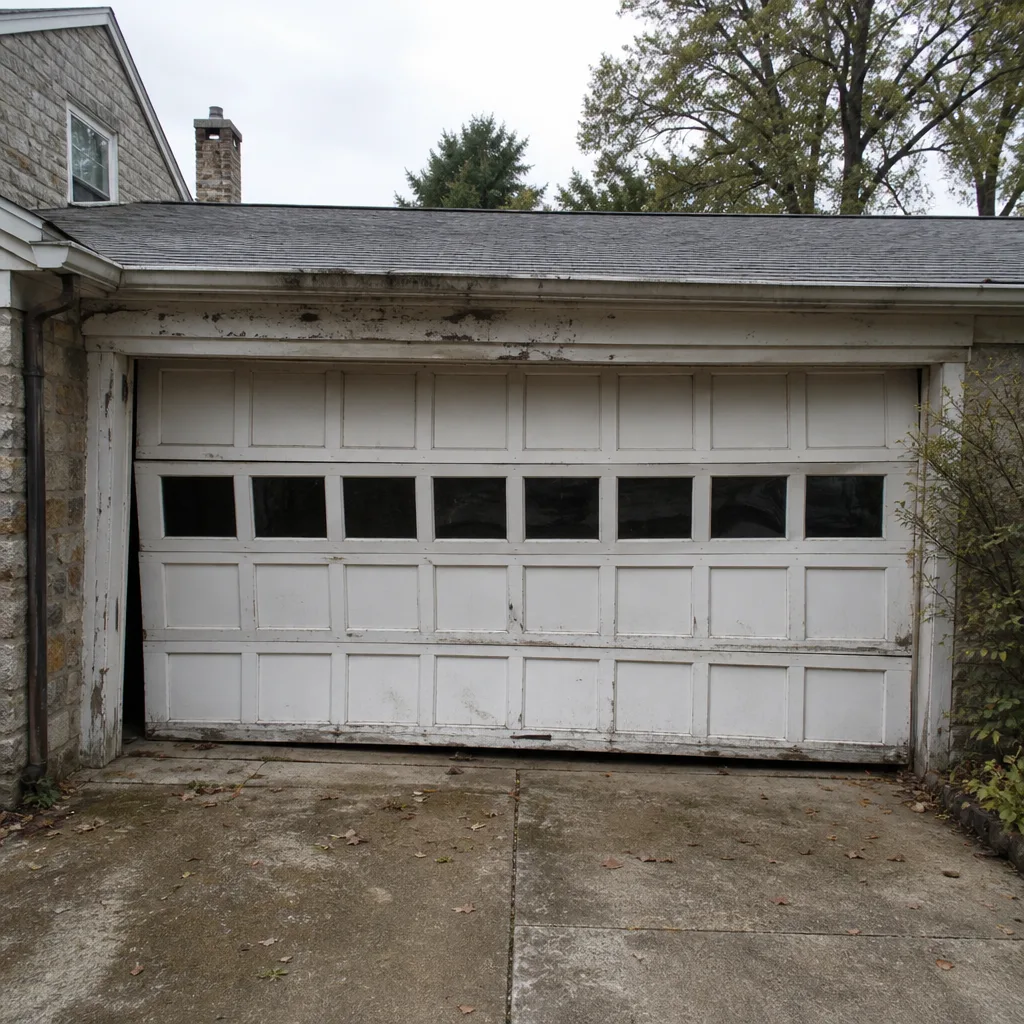 Before
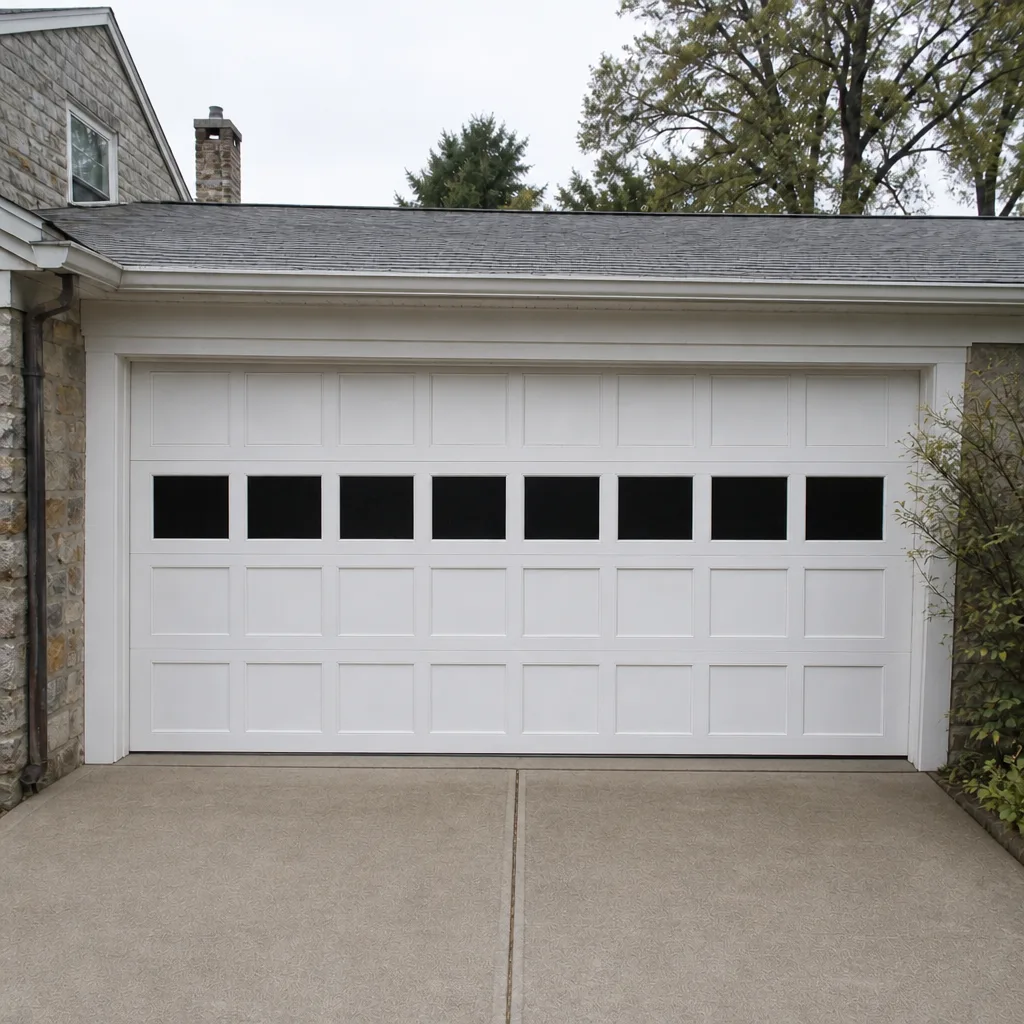 After
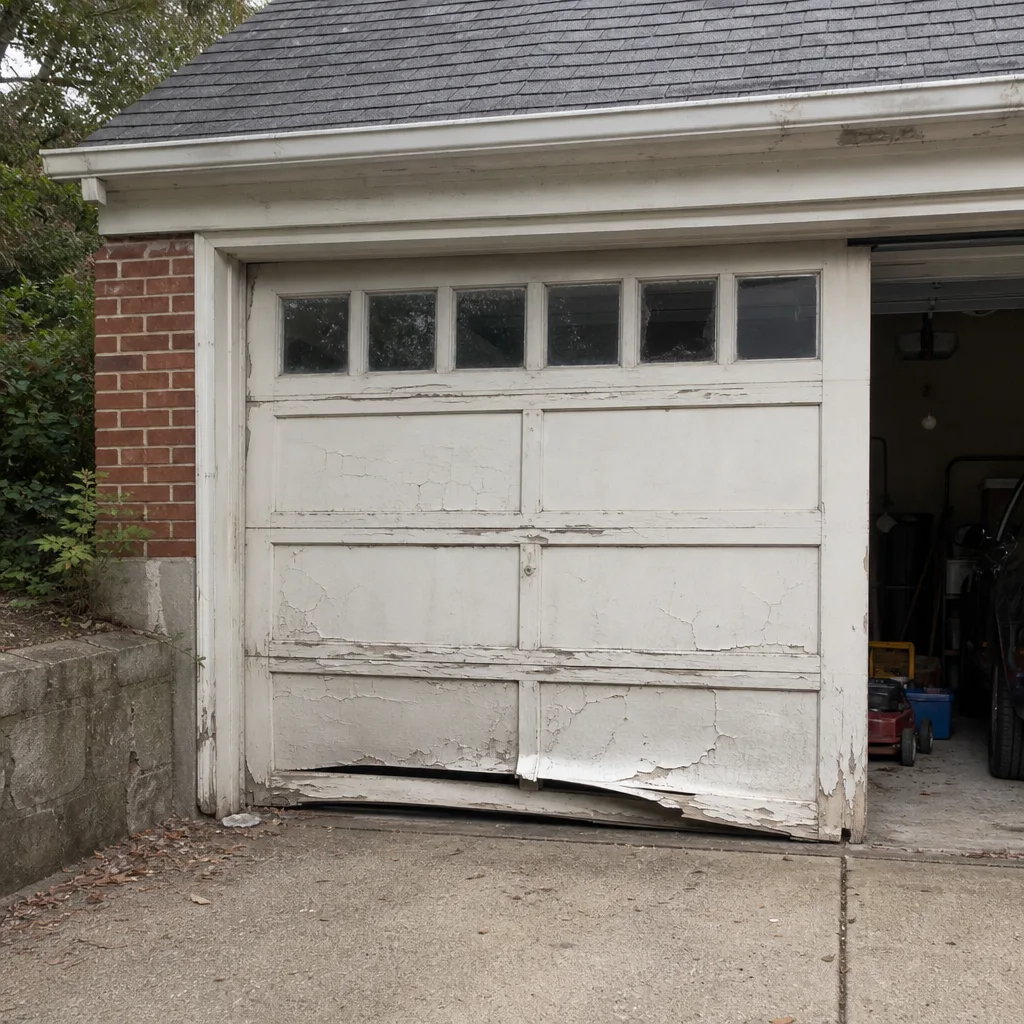 Before
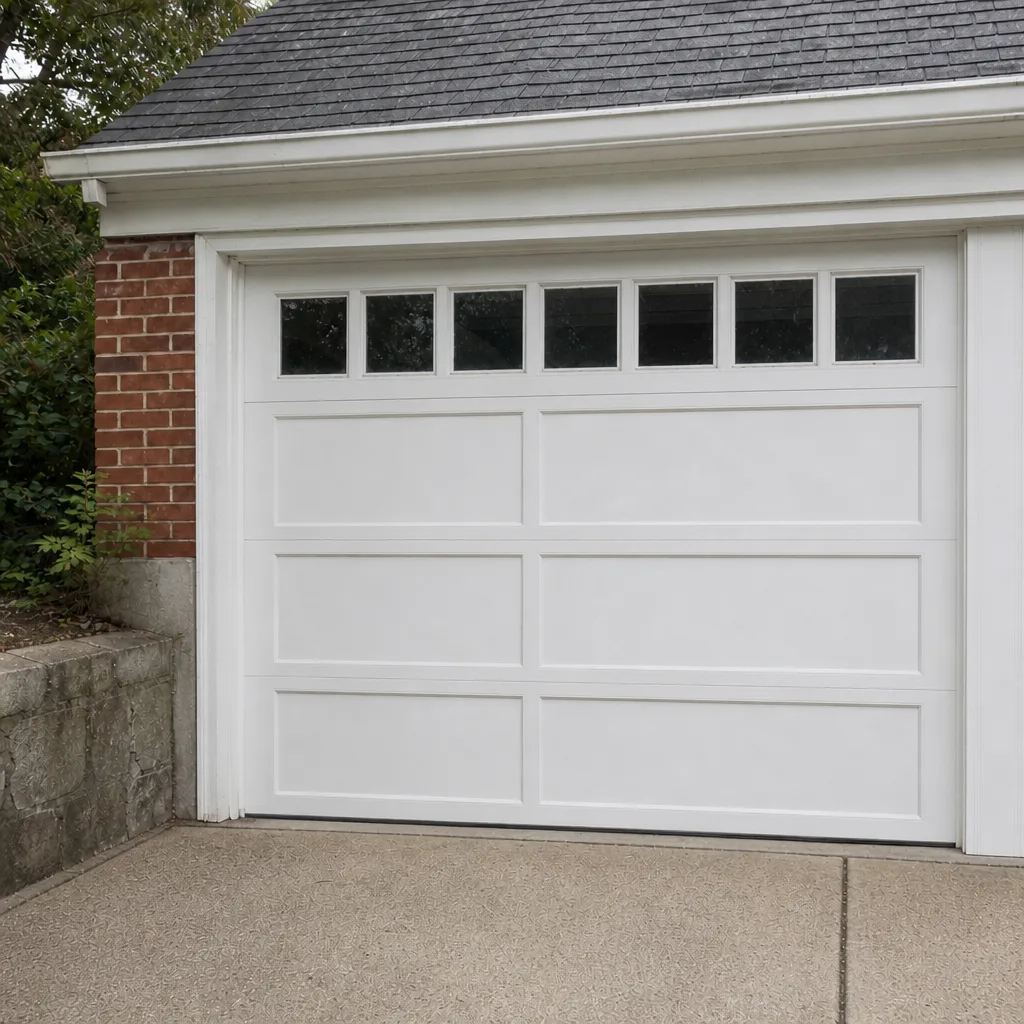 After
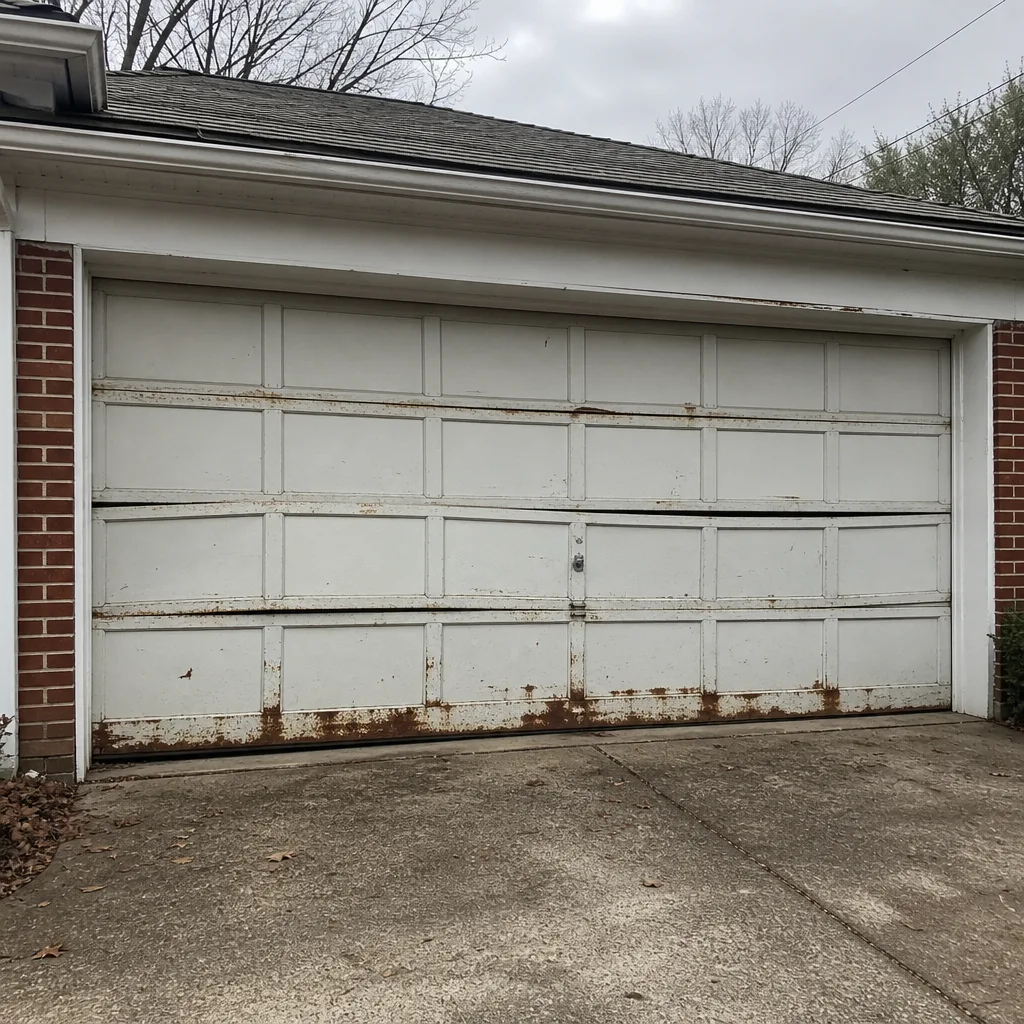 Before
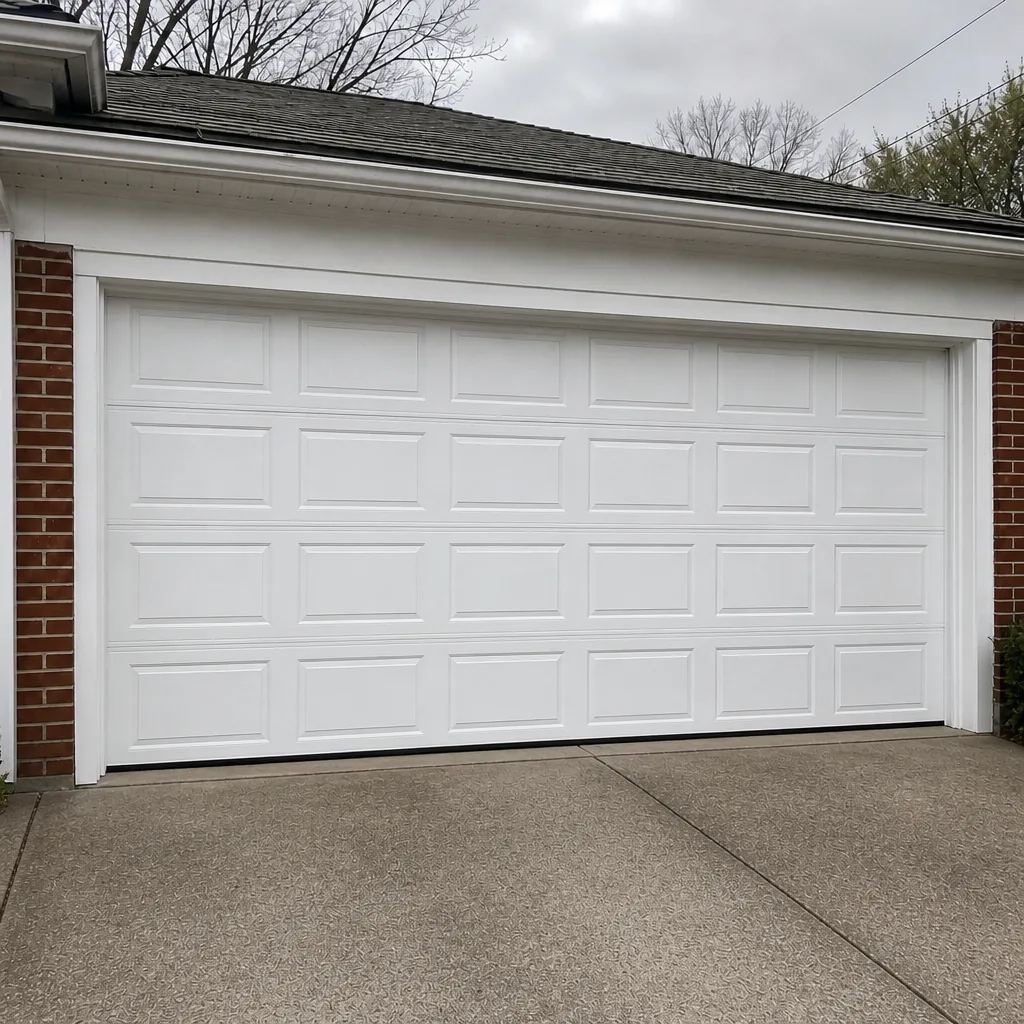 After
When to Call a Professional
Call us now if the door pops, bangs, or won’t open, if a spring looks broken, if a cable is visibly frayed, or if the door has come off track. Those are the scenarios where a do-it-yourself attempt can cause serious injury, because springs and cables hold stored energy even when the door is still. Call us also if a door that stays crooked is making your home feel less secure. That’s a security concern as well as a safety one, and it’s worth addressing rather than living with.
For everything else, a scheduled visit catches warnings before they turn into emergencies. Garage Door Repair Tenleytown offers free estimates in Tenleytown. Call (855) 658-4168. We answer 24/7, with fast dispatch from 7am to 7pm, Sunday through Friday. If you’re calling outside those dispatch hours, we’ll book you into the next opening and have a technician on the door with the right tools and the right parts on hand.
Frequently Asked Questions
The most common first sign is a change in the sound the door makes as it travels, usually a groan or a rhythmic tick that wasn’t there a month earlier. If you notice a sound that’s louder or more frequent, that’s the moment to schedule a look, not when the door finally stops working. Call (855) 658-4168 for a free estimate and we’ll diagnose it.
A single spring replacement is a moderate ticket, and a matched pair costs roughly twice the price of one spring because both are usually replaced together. The final price depends on spring size, door weight, and brand, and we set it per job with a written estimate before any work begins. Call (855) 658-4168 for an exact quote. Estimates are free.
Yes. Same-day service is a core part of what we do, and emergency response for broken springs, off-track doors, and opener failures is genuinely available. We answer 24/7, with fast dispatch from 7am to 7pm, Sunday through Friday. Call (855) 658-4168 for the fastest response.
Every technician we connect you with is a trained garage door specialist and is licensed and insured as their state requires. Each one works only on garage doors, so they’re not splitting their trade between a dozen different jobs. That’s the reason the diagnosis tends to be right the first time. Call (855) 658-4168 with any questions.
Once we’ve given you a written estimate, that’s the price. We don’t add a surcharge for an urgent call, a night call, or a Sunday visit. The estimate sets the final number and you agree to it before any work starts. If the scope changes because we find something different under the door, we’ll tell you first and re-quote before we touch a thing. Call (855) 658-4168 to schedule.
Yes, we work on all eight of the major brands: LiftMaster, Chamberlain, Genie, Clopay, Amarr, Wayne Dalton, Craftsman, and Raynor. That matters in a house where the opener and the door are different brands, which is common in older Tenleytown homes. You’re not going to hear “we don’t work on that.” Call (855) 658-4168 and we’ll confirm what your system needs.
The Bottom Line
A garage door doesn’t just fail. It gives you 30 to 90 days of warning first. The homeowners who avoid emergency rates are the ones who listened to a groaning spring or a slowing door and scheduled the repair while it was still a repair. In Tenleytown, the older housing stock and the seasonal swing mean those warnings come a little sooner than you might expect, which is one more reason to run the manual disconnect test once a month and do a visual walkaround on the cables, springs, and track. If you hear something new, or if the door stops balancing correctly, call. We’ll diagnose it, tell you what it needs, and give you a written price before anyone touches a tool. No job too routine, no failure too urgent.
Written by the team at Garage Door Repair Tenleytown.