
Last updated November 21, 2026
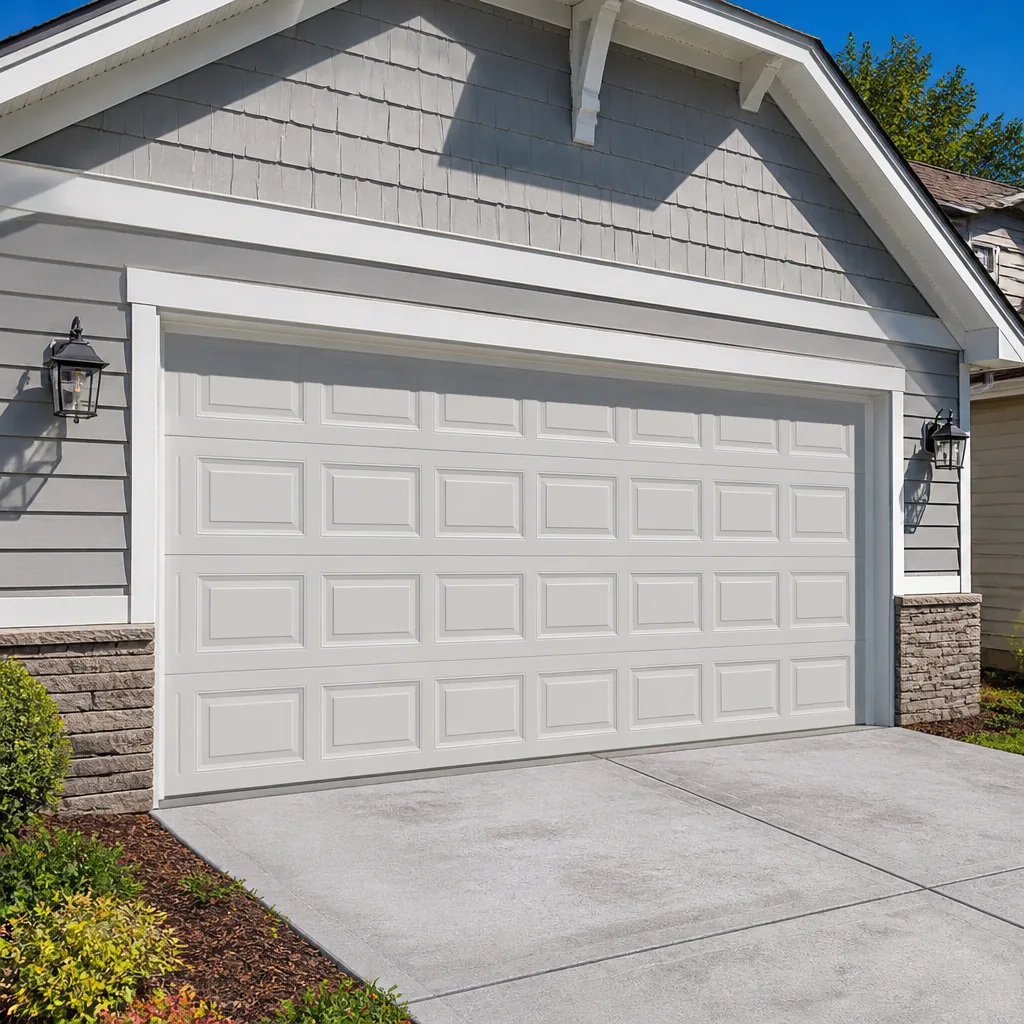 Raised-panel steel
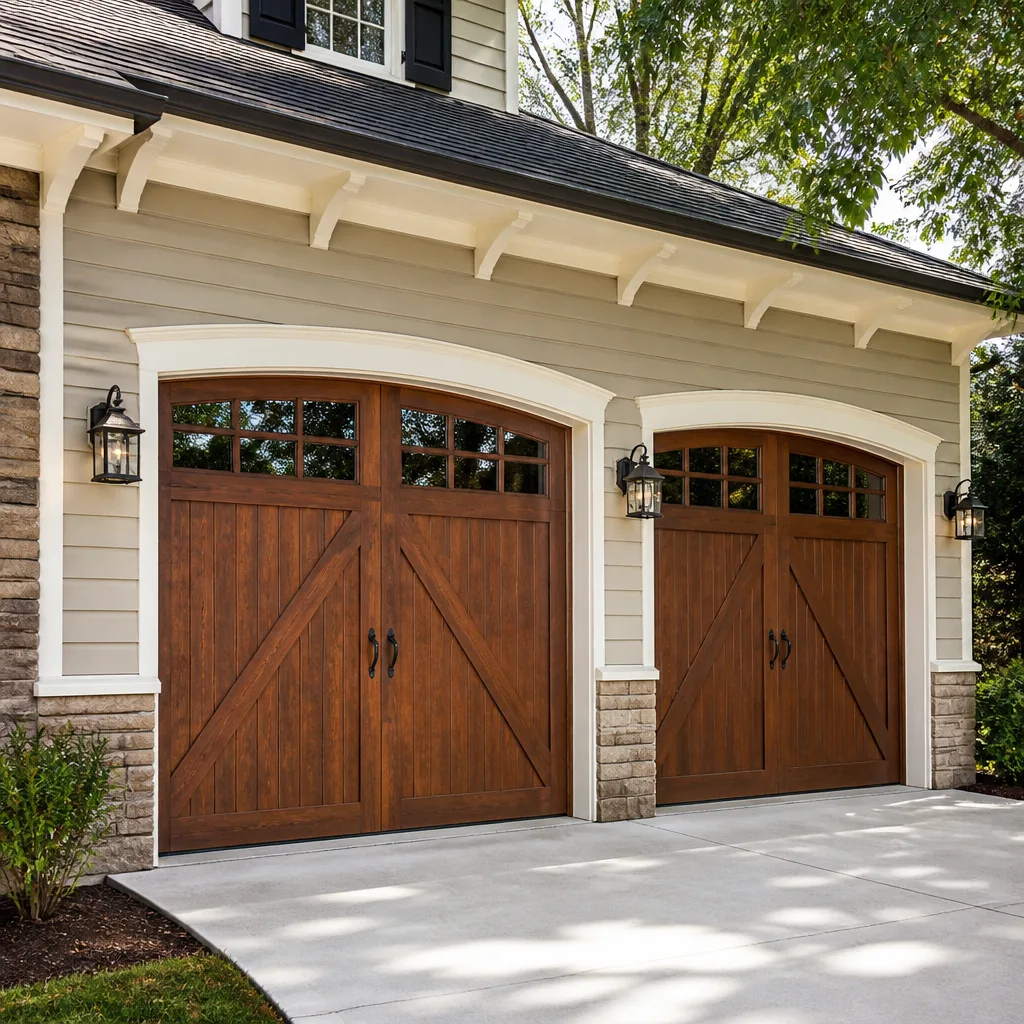 Carriage house
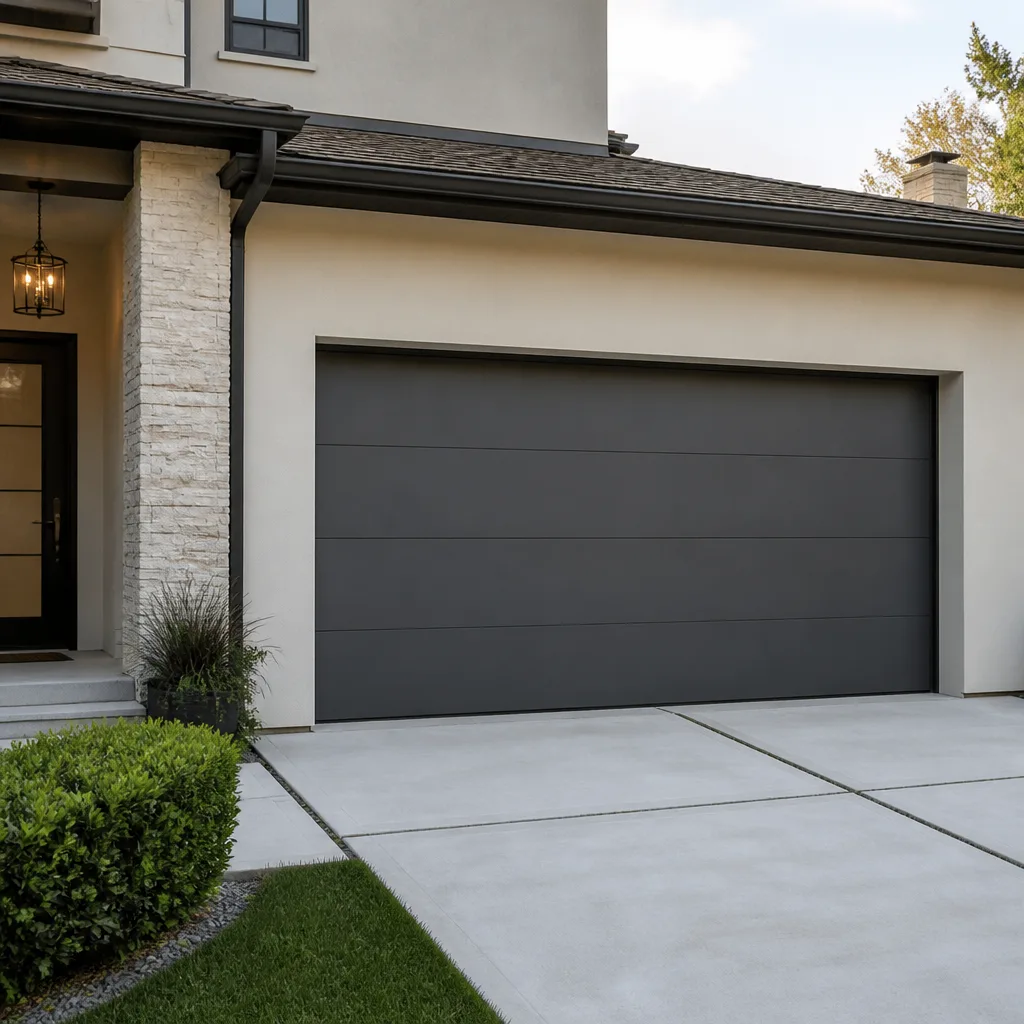 Modern flush
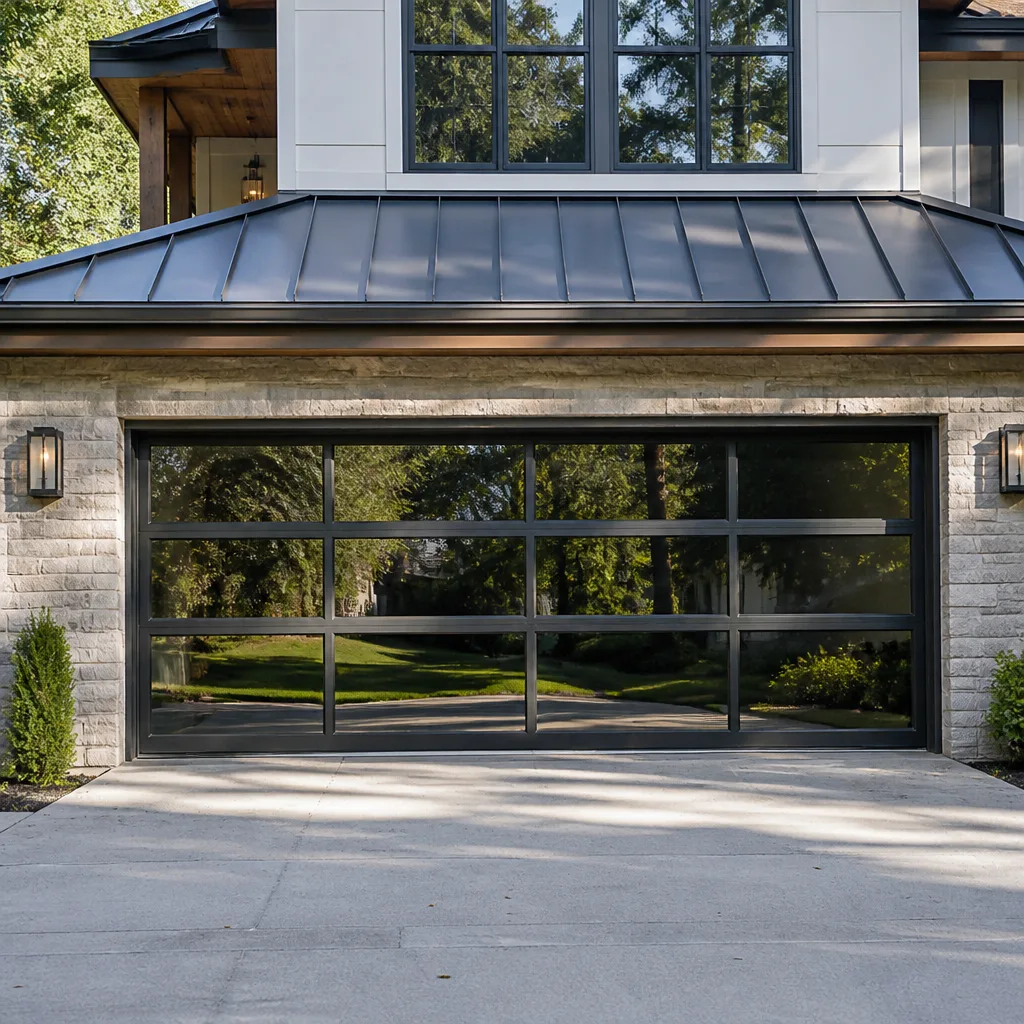 Full-view glass
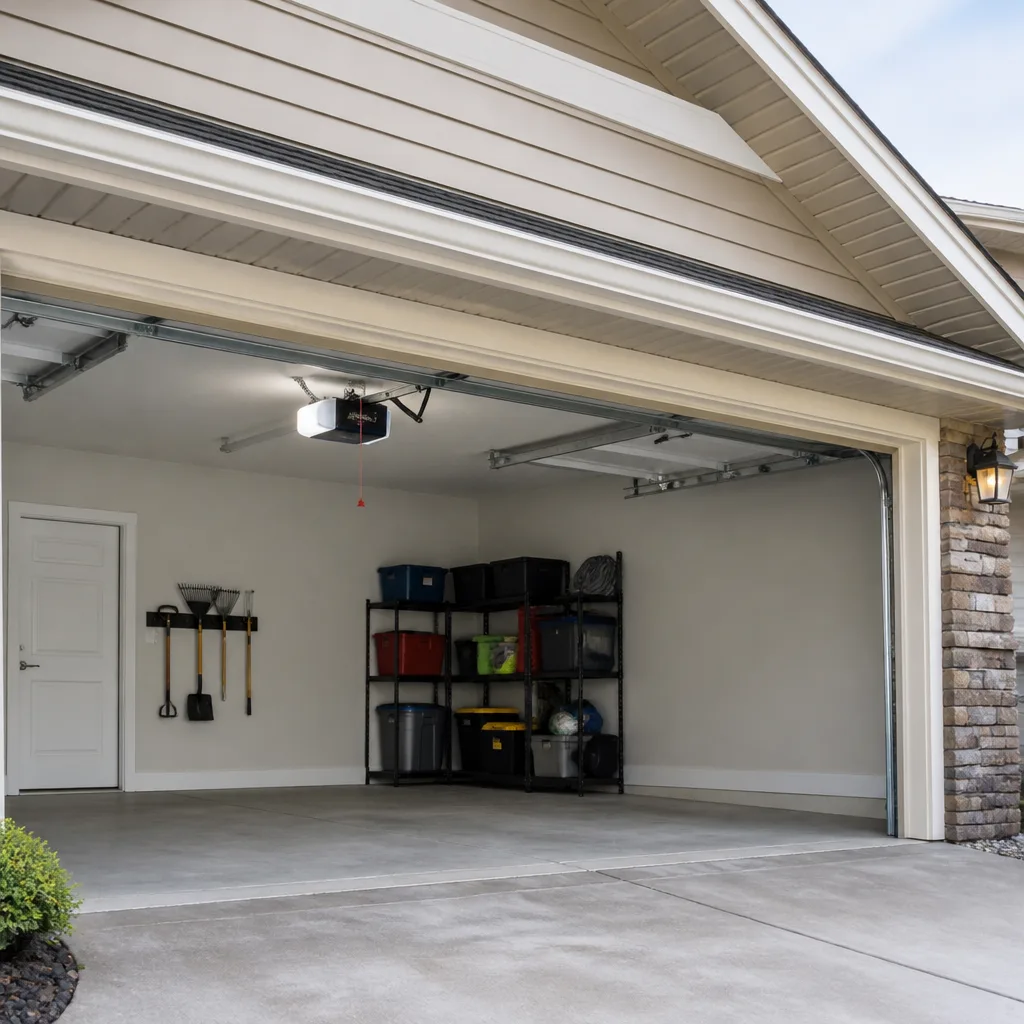 LiftMaster openers
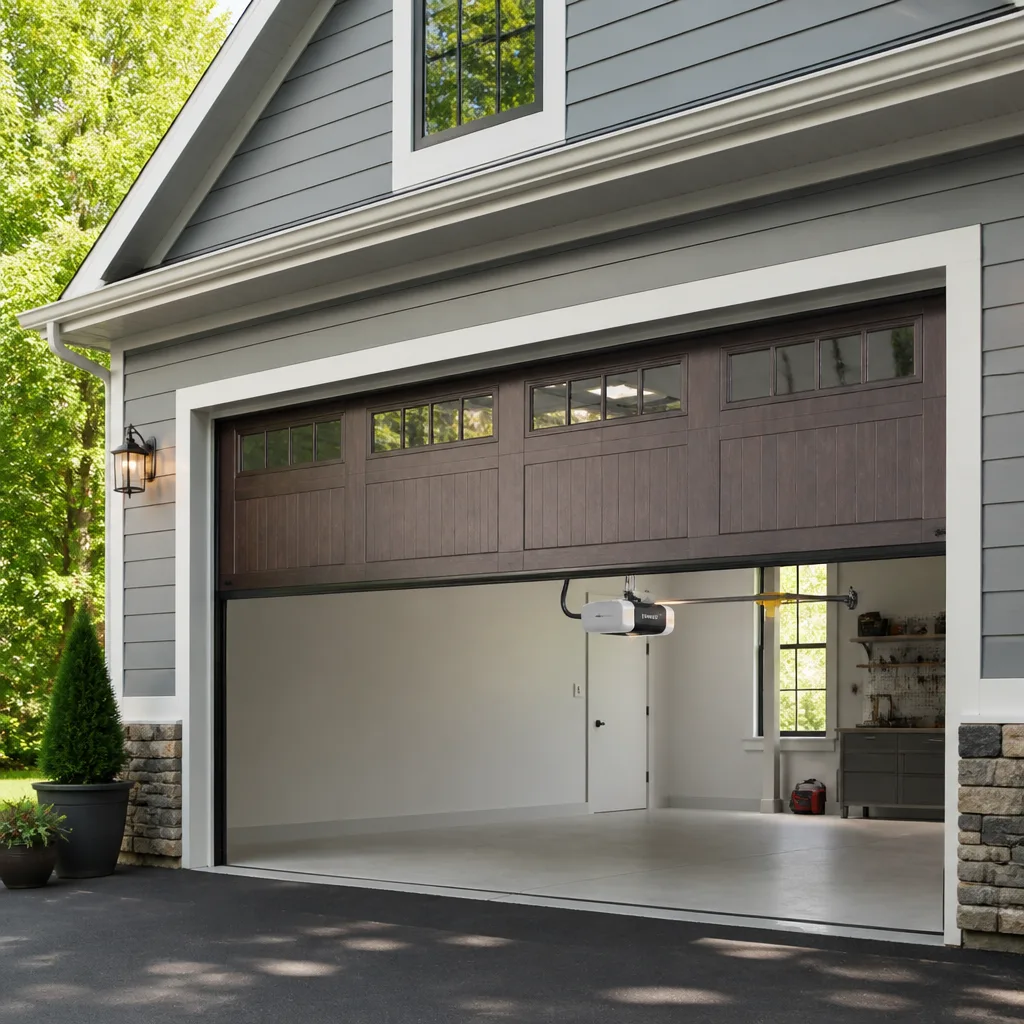 Chamberlain openers
Full 25-point door and opener safety check with every visit - springs, cables, rollers, tracks, and your LiftMaster or Chamberlain opener included
You get a price before we start. It does not change when the pro arrives.
Get your free estimateThe Complete Guide to Garage Doors in Tenleytown
Most Tenleytown garages were built for Model T clearances, not modern SUVs. That single fact explains more garage door frustration here than any brand, spring or opener issue we’re called about. A door sized for a 1920s sedan may clear a crossover by an inch and a half and scrape a roof rack by three. Homeowners blame the door. The real problem is a mismatch baked into the building decades ago. In this guide we walk through how Tenleytown’s alley-facing garages, tight headroom, historic corridor aesthetics and DC’s humidity swings shape every decision you’ll make about a door, from a snapped spring to a full replacement. You’ll finish knowing what to measure, what materials last, what brands fit, and when repair stops making sense.
Quick Answer
Garage door work in Tenleytown usually comes down to three variables: door sizing to fit old carriage-era openings, insulation and material choices that survive DC’s humidity swings, and brand selection that respects the narrow headroom common in detached garages behind the neighborhood’s rowhouses. Repair is usually worth it on doors under roughly twenty years old with intact panels and tracks; replacement makes more long-term sense when the door has structural rot, repeated spring failures or obsolete parts. Call (855) 658-4168 for a free estimate. We answer 24/7, with fast dispatch from 7am to 7pm, Sunday through Friday.
Styles & brands we work with
- Raised-panel steel
- Carriage house
- Modern flush
- Full-view glass
- LiftMaster openers
- Chamberlain openers
Table of Contents
- How Tenleytown’s Housing Stock Shapes Garage Doors
- Alley Access and Why It Changes Door Sizing
- Materials That Survive DC Humidity Swings
- Historic Preservation and the Tenleytown-AU Corridor
- Headroom, Low-Profile Openers and Brand Compatibility
- When Replacement Beats Ongoing Repair
- What Garage Door Work Typically Costs in Tenleytown
- Springs, Tracks and the Safety Line
- Seasonal Maintenance for Tenleytown Doors
How Tenleytown’s Housing Stock Shapes Garage Doors
Tenleytown holds three distinct garage types, and each behaves differently as it ages. The first is the rowhouse rear garage, often a converted carriage bay tucked behind the main structure along an alley. The second is the standalone detached garage common on the blocks toward American University and along residential streets feeding into Wisconsin Avenue. The third is modern infill construction, where builders pack a contemporary garage under a newer home, usually with generous clearances and a modern sectional door.
Each type fails in a predictable way. Converted carriage bays tend to have narrow widths and old wood framing that has shifted with ground movement over the decades, so a modern sectional door may rub a jamb or bind in the tracks. Detached garages often carry low headroom because the roof structure sits directly above the door opening. Infill builds rarely have sizing problems, but they’re where we see the most opener-to-door mismatches, usually from a builder who installed a heavy insulated door and paired it with an undersized opener.
- Rowhouse rear garages: narrow openings, tight clearances, aging framing that needs a careful measure.
- Detached garages: low headroom, single-car widths, older torsion or extension spring systems.
- Modern infill: standard widths, heavier insulated doors, opener mismatch as the main failure.
- Carriage conversions: door aesthetics matter because the front faces the alley, not the street.
Before any repair or replacement decision, we measure the actual opening rather than trusting the door that’s currently hung there. A door that “fits” today may have been trimmed, shimmed or forced into place years ago. Correct diagnosis starts with correct numbers. That’s the spirit behind Garage Door Repair Tenleytown – measure first, recommend second.
Alley Access and Why It Changes Door Sizing
Tenleytown’s alleys are narrow, often shared between neighbors, and sometimes blocked by a parked car, a trash bin or a fence post. That reality affects more than how you pull into the garage. It affects which door you can install, how the opener is placed, and what kind of service call you’re setting up.
Door sizing on an alley-facing garage starts with clearance, not with the door’s face dimension. A sectional door needs room to swing back along the ceiling. A one-piece tilt-up door needs room to swing outward along the ground. If the alley is only wide enough for one car to pass and the door swings outward, the door becomes a traffic hazard every time it opens. That’s one reason we generally recommend sectional doors for alley-facing garages in Tenleytown. They open in place, keep the driveway clear, and don’t need swing radius the alley doesn’t have.
- Measure the clear width of the alley, not just the driveway apron.
- Confirm whether the door can swing inward (sectional) or must swing outward (tilt-up).
- Check whether the garage ceiling can accept tracks and a torsion spring at the correct height.
- Locate the opener so the rail doesn’t intrude into the alley-side wall.
- Verify the door’s closed position doesn’t block a shared pedestrian path or utility access.
Opener placement matters more than most homeowners expect. In an alley-facing garage, the opener is usually mounted on the ceiling near the door itself, and the head unit hangs back toward the alley wall. If that wall carries a structural beam or a party-wall connection to a neighbor’s garage, the opener mount has to be reinforced rather than bolted into shelf framing. For a system that’s misbehaving, get a proper look with garage door opener repair before assuming the motor is failing. Nine times out of ten, the motor is fine and the mount, the travel limits or the photo-eye alignment is the problem.
Materials That Survive DC Humidity Swings
Washington’s climate is hard on garage doors. Summers sit in the high humidity range for weeks at a stretch, and winters drop cold enough to contract metal and wood sharply. That swing is where doors fail. The material doesn’t have to be damaged by weather extremes to fail – it just has to expand and contract unevenly. Wood warps. Steel rusts along seams and bottom edges where water sits. Aluminum holds up better than steel in humidity but dents easily and can corrode if the finish is scratched. Vinyl and composite are stable but limited in aesthetics.
- Steel sectional doors: the most common choice locally, durable when finish is intact, prone to edge rust if the bottom seal is worn.
- Aluminum: strong on corrosion resistance, lighter weight, needs care with impacts.
- Wood and wood-composite: authentic to pre-war housing stock, high maintenance, prone to warp unless sealed yearly.
- Insulated steel with a polyurethane core: the strongest all-weather option for finished or conditioned garages.
- Fiberglass and vinyl: stable across humidity swings, limited color and profile options.
For a garage attached to the house or used as a workshop, an insulated steel door with a polyurethane core is the most reliable choice across a five-year window. The insulation holds the door’s shape through the humidity swings and prevents the interior condensation that drives rust along the bottom edge. For a detached garage that stays unconditioned, a plain steel door with a good bottom seal is fine as long as you replace that seal when it cracks. A warped panel is rarely a manufacturing defect. It’s usually moisture reaching into an unsealed edge or a bottom seal that’s stopped doing its job.
Historic Preservation and the Tenleytown-AU Corridor
Homes near the Tenleytown-AU corridor and along the older residential blocks often sit within or adjacent to areas with exterior design review. That doesn’t usually block a garage door replacement, but it does shape what an appropriate door looks like. Modern smooth-panel steel doors can look jarring against a 1930s brick carriage garage. Homeowners who match the door’s profile to the original style – recessed panels, board-and-batten detail, or a short-panel carriage look – have an easier time with any review and a better match for the block.
If your garage door faces the street rather than the alley, check with DC’s building department about whether your block carries specific rules for exterior alterations. We don’t presume to interpret those rules for you – that’s between you and the city – but we can tell you what profile, panel style and material will look appropriate on a given house, and what will look like a new build pasted onto an old one. Most of the doors we install near the corridor fall into a few recognizable categories: raised-panel steel in a style matched to the circa-1920s housing stock, wood-look composite for homeowners who want the historic appearance without the yearly sealing, and modern glass-and-aluminum for the newer infill homes that don’t carry a historic review.
For a full replacement, work with a team that reads the house before recommending the door. That’s the approach behind garage door installation – the door has to fit the house, not the other way around.
Headroom, Low-Profile Openers and Brand Compatibility
Detached garages in Tenleytown often have 7 feet of ceiling clearance at best, and some rooflines leave barely 6-1/2 feet above the door opening. That’s the headroom where a standard torsion spring, a standard sectional door track and a standard opener all fight for the same space. The fix is usually a low-clearance configuration rather than a smaller door.
Headroom problems show up in three ways: a door that reverses at the top of its travel because the track curls too tight, an opener that strains because the rail sits at an awkward load angle, and a spring that loses tension quickly because it’s undersized for the door’s weight. All three get worse as the door ages.
- Measure from the top of the door opening to the ceiling, in inches.
- Measure from the back of the door opening to the nearest obstruction (usually a wall or beam).
- Identify the current opener brand and model if the door already has one.
- Choose a low-profile opener rated for the door’s weight, not just its width.
- Confirm the track profile fits the headroom before ordering the door.
Brand compatibility matters here because not all openers work with all doors at low headroom. LiftMaster makes a low-profile model that suits many of the shorter ceilings we see behind Tenleytown rowhouses. Chamberlain’s belt-drive systems are quiet and can fit tight rails, which helps when the garage is under a bedroom in an attached configuration. Genie openers offer solid low-clearance options where a screw-drive is preferred. For the door itself, Clopay’s sectional profiles come in enough heights and panel configurations to fit the tight openings common on the blocks near AU without custom fabrication.
We handle all of these brands, along with Amarr, Wayne Dalton, Craftsman and Raynor. That matters because the recommendation gets made on the door’s needs, not on what one manufacturer happens to push. When a technician is trained across competing platforms, they can put in the LiftMaster that fits the low headroom and the Clopay that matches the door, without steering you toward a brand because it’s the only one on the truck that day.
When Replacement Beats Ongoing Repair
Most garage door repair requests in Tenleytown are worth doing. A snapped spring, a misaligned track, a failing opener and a dented panel are all normal wear items, and repair is the right answer for the vast majority of doors we see. The replacement question gets answered differently. Replacement makes more long-term sense when the total of small problems starts to exceed the cost of a new door over the next few years – and pre-2000 doors are the usual candidates.
Pre-2000 doors in Tenleytown tend to share a few features. They’re often 1-3/8 inch thick instead of the modern 2-inch standard. They often use extension springs rather than torsion springs, which are more prone to violent failure. And they often carry panel profiles and track dimensions that no manufacturer currently produces, so replacing a single panel means finding a specialty match or living with a visible mismatch. None of that alone means “replace it.” Together, those factors shift the math.
- A single panel is damaged: repair, unless the panel is obsolete.
- Spring has snapped once: repair, and replace both springs at the same time.
- Two springs have snapped in three years: the door’s weight may be off; worth a full assessment.
- Tracker or hinges fail repeatedly: frame alignment may be the underlying issue.
- Panels are rotting at the bottom edge: replacement is usually the better path.
- Door is over 20 years old and needs matching parts: replacement is usually cheaper long-term.
- Door still matches the house and only one item fails: repair is nearly always the right call.
The honest test: add up what you’ve spent on repair over the last three years and compare it to a replacement estimate. If repairs are running close to half the replacement cost and the door still carries structural wear, replacement is the better financial decision. That’s where we usually start the conversation. If the answer is repair, that’s what we recommend. For straightforward repairs, garage door repair is our bread and butter, and we’d rather do a repair that lasts than sell a door you don’t need.
What Garage Door Work Typically Costs in Tenleytown
Garage door costs in Tenleytown land in roughly the same ranges as the broader DC market, with some local premium from the tighter access behind rowhouses and the sizing complexity of older openings. The table below shows typical estimated ranges. These are estimates, not quotes – the written estimate sets the final price, and we don’t start work until the price is quoted and agreed.
| Service | Typical Estimated Range |
|---|---|
| Single torsion spring replacement | $180-$340 |
| Matched torsion spring pair | $360-$680 |
| Extension spring replacement | $150-$300 |
| Opener repair (motor or logic board) | $150-$300 |
| New opener installation | $350-$750 |
| Track realignment or replacement | $150-$400 |
| Single panel replacement | $250-$600 |
| New single-car steel door installed | $1,200-$2,400 |
| New double-car insulated door installed | $2,400-$4,800 |
A spring replacement is quoted per spring. When a torsion spring snaps, the matching spring on the other side has usually carried the same load and is near the end of its life, so replacing the pair together is standard practice and shifts the price toward the higher end of the range. We’ll explain which option makes sense for your door rather than automatically quoting the pair. Installation pricing depends heavily on headroom measurements, door weight and whether the existing opener can be reused. The estimate is free, and the price never changes after the work starts unless the work itself changes – and that only happens after you agree to it.
Springs, Tracks and the Safety Line
Torsion springs and extension springs are the most dangerous components in any garage door system, and this is where we won’t blur the line. A torsion spring is under hundreds of pounds of stored tension when the door is closed. A winding bar slip, an incorrect wind count, or a spring that lets go while someone is near the shaft can cause severe injury. Extension springs under a low-headroom door carry similar force along the door’s sides. Neither is a DIY job, and neither is a place for a multi-trade generalist who happens to be at the house for something else.
If you’re hearing a loud snap from the garage, seeing a door that went up crooked this morning, or finding a broken spring with the door stuck halfway, the safe move is to leave the door in place and call. Don’t try to raise the door by hand, don’t cut the remaining spring, and don’t try to “help” the opener lift a door with a broken spring. The opener can pull the door off the jambs and cause further damage and injury. We carry the calibrated tools and the trained hands to do this safely, and this is exactly the work that belongs with a garage door specialist rather than a broader home services crew.
The other safety item worth a look is the opener’s safety reverse system. Every modern opener uses photo eyes at the bottom of the door and a pressure-sensing reversal test. Both can fail silently – the door still opens and closes but the reverse won’t trigger if a child or pet is under it. Testing that system takes thirty seconds, and it’s worth doing once a month. If it fails the test, don’t put off the call.
Seasonal Maintenance for Tenleytown Doors
The DC climate rewards a light maintenance habit. Doors that get a quick check in spring and fall outlast doors that don’t, and the checks themselves take less than ten minutes each.
- Spring check: inspect for visible gaps or stretches in the torsion spring; call if anything looks off. Don’t attempt adjustment.
- Track inspection: look for dents, bends or debris. A clean, straight track makes the door last longer.
- Hinge and roller lubrication: a light silicone spray on hinges and rollers keeps the door quiet and slows rust.
- Bottom seal check: run a hand along the bottom rubber. Cracks or tears mean moisture gets in.
- Reverse test: place a small object under the door, close it, and confirm the door reverses.
- Balance test: pull the release cord with the door halfway up and let go. If it drifts, the springs are losing tension.
- Photo-eye check: make sure nothing blocks the eyes near the bottom of the tracks.
Doing these checks twice a year gets you ahead of most failures. Spring life, opener wear, and track alignment all degrade gradually, so the door usually telegraphs a problem before it fails. If a check turns up something you’re not sure about, get a proper look rather than waiting for the failure – a mid-morning call is always better than a call at 10pm with the door stuck open.
If the door is stuck open, off the tracks or won’t close, that’s an emergency rather than a maintenance item. Emergency garage door service is part of what we do rather than a bolt-on offering. We answer 24/7. Fast dispatch from 7am to 7pm, Sunday through Friday.
Common Mistakes to Avoid
- Choosing a door by width alone. The door’s height, weight, headroom requirement and track profile all matter as much as the width. In Tenleytown’s older detached garages, a door that measures correctly but won’t fit the low headroom is a return trip waiting to happen.
- Replacing one spring and leaving the other. A snapped spring almost always means its partner is near the end of its life. Replacing one and coming back for the second within a year costs more in the long run than doing both together.
- Hiring a general handyman for spring work. Torsion spring repair is mechanical work that requires specific tools, specific training and specific experience. A multi-trade contractor can hang a door and still not wind a spring safely.
- Installing an opener by brand habit rather than door weight. A heavy insulated door needs an opener rated for it. In Tenleytown’s tighter garages, an overpowered door paired with an undersized opener is the fastest way to burn out a motor.
- Ignoring the alley-facing door because it’s “out back.” The garage door is often the largest opening into a home. A door that won’t latch, sits crooked or hangs off its tracks is a security issue, not just a programming inconvenience.
- Skipping the reverse test. It’s the single fastest check you can do and it tells you whether the opener will stop for a child in the door’s path. Do it monthly.
- Choosing a smooth modern panel for a 1930s carriage garage. The neighborhood near the Tenleytown-AU corridor has an aesthetic character to match, and a mismatched door is visible from the block for decades. Match the profile to the house.
See the difference
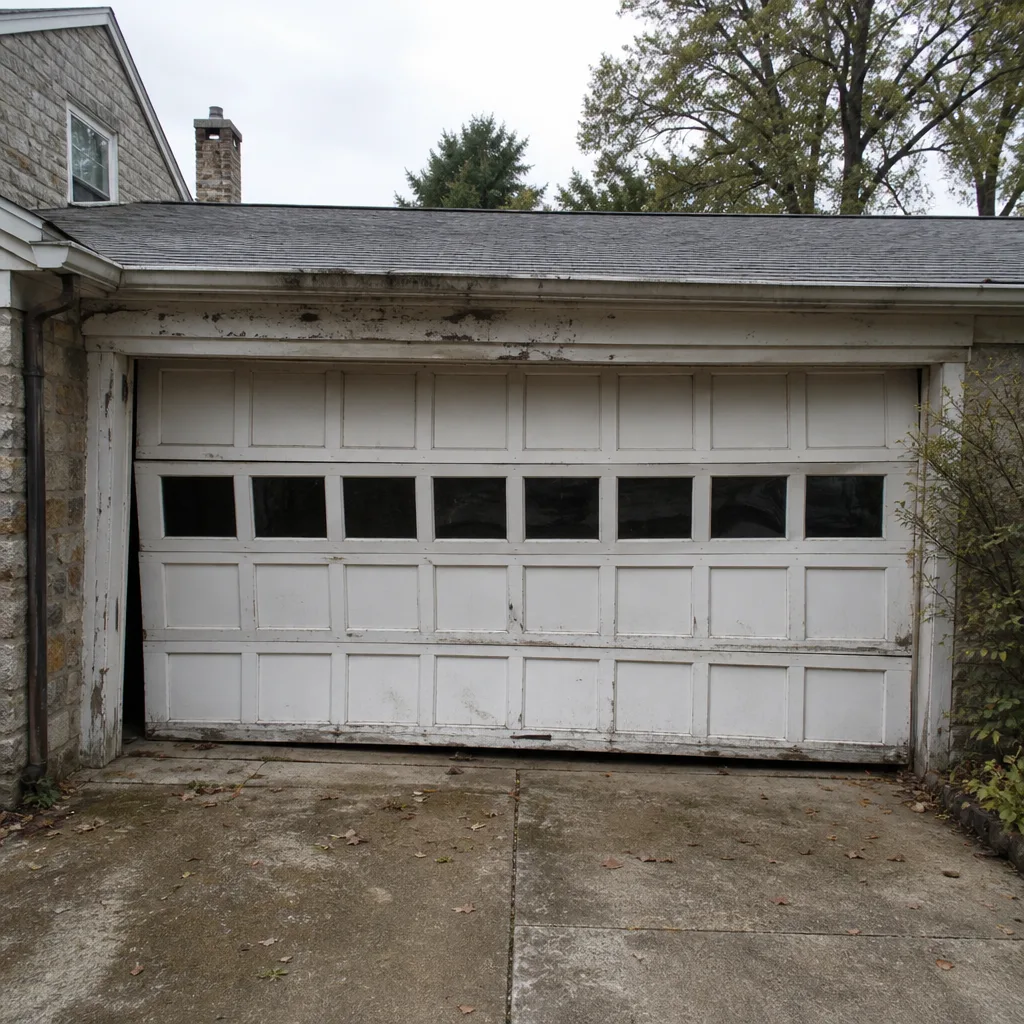 Before
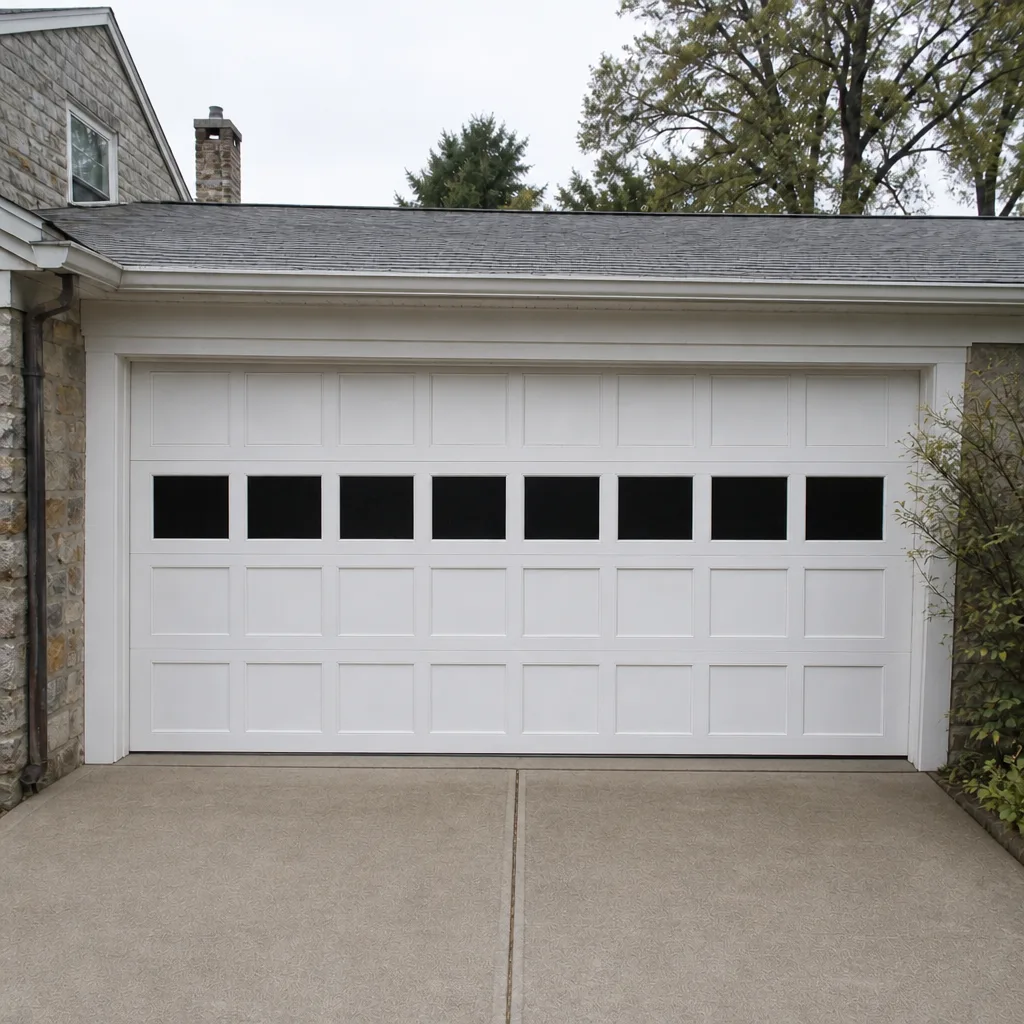 After
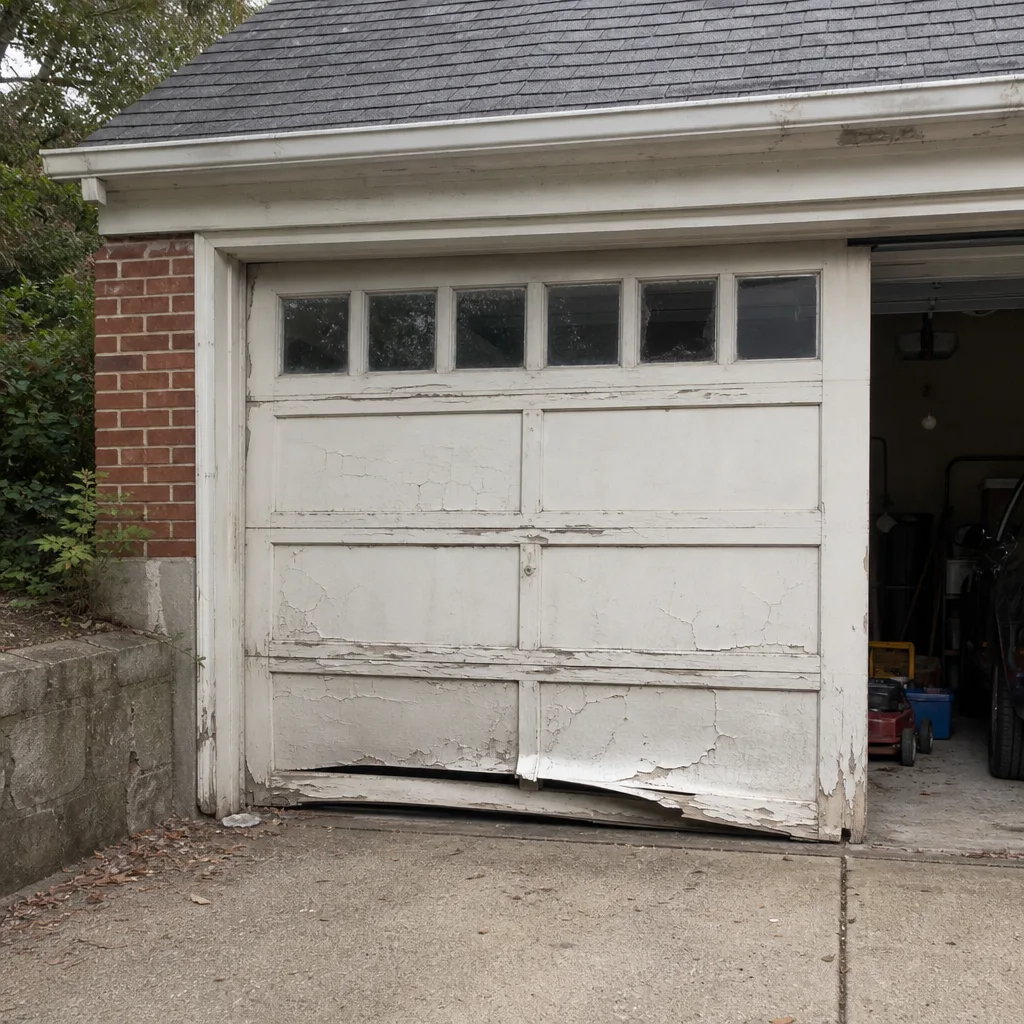 Before
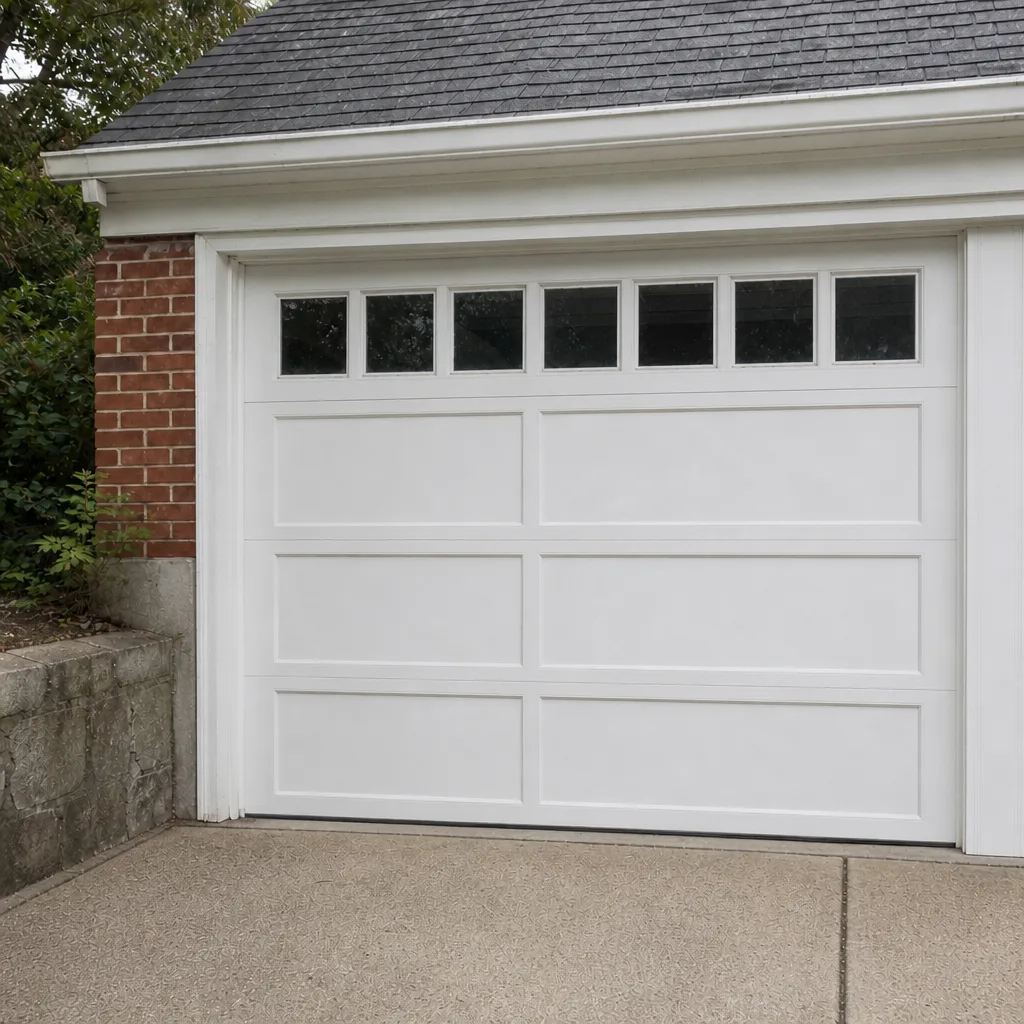 After
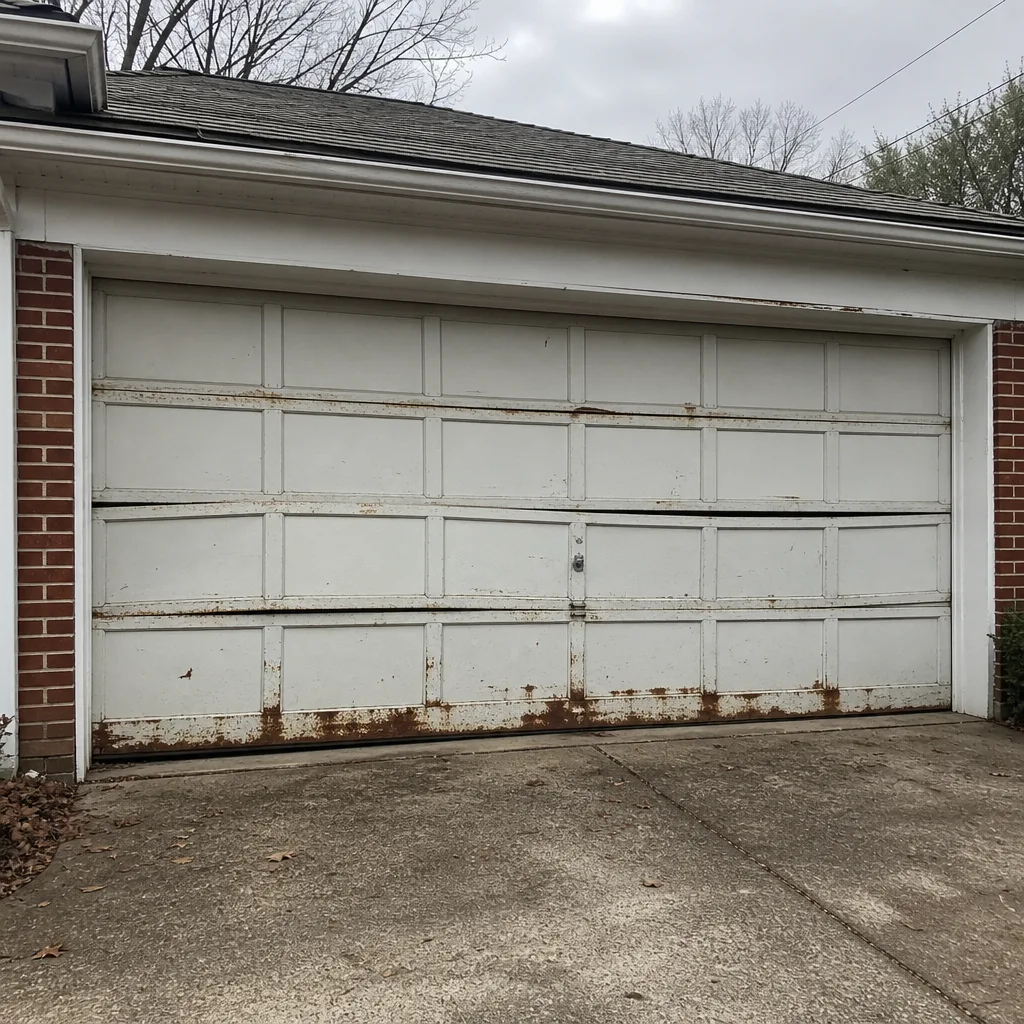 Before
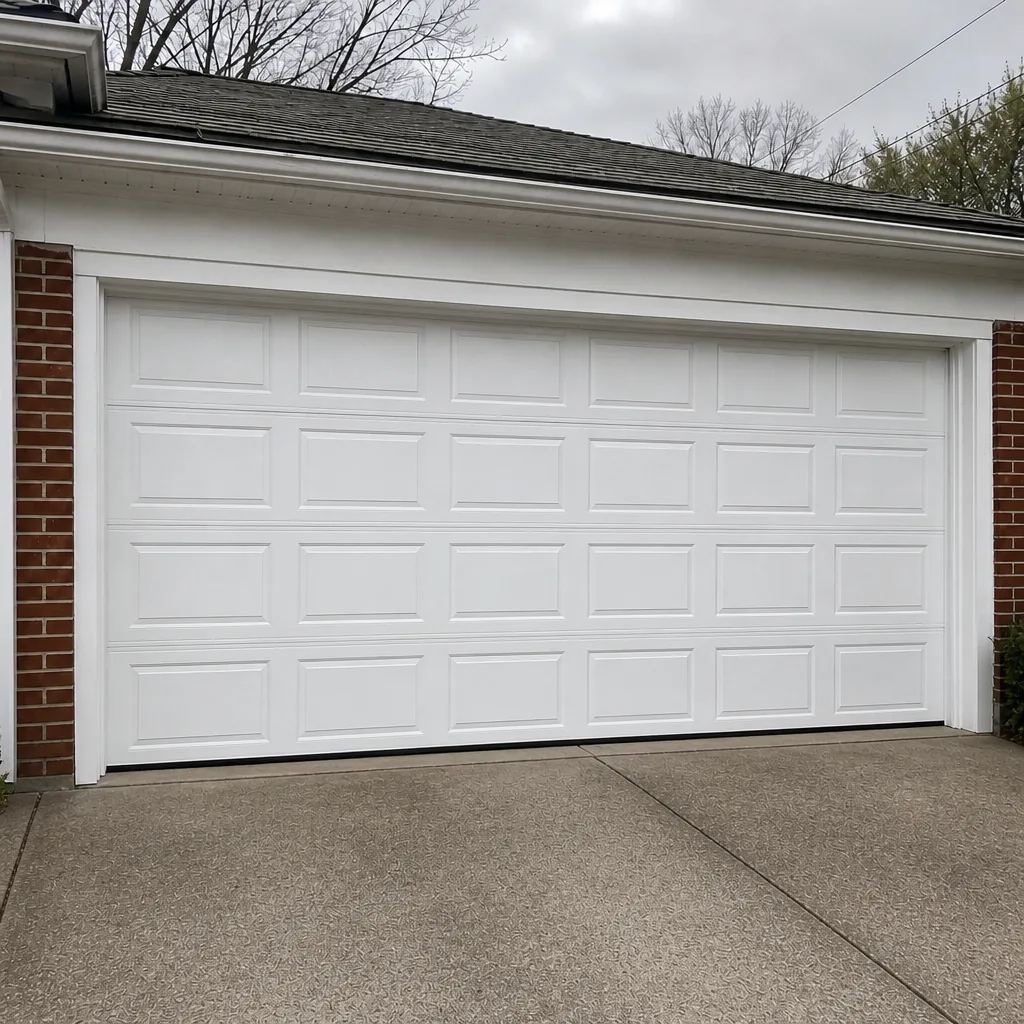 After
When to Call a Professional
Call a garage door specialist when the door won’t close fully, when a spring has snapped or gone silent, when the door reverses at the top of its travel instead of the bottom, when the opener runs but the door doesn’t move, when the door is visibly off its tracks or crooked in the opening, or when the door’s reverse test fails. Call before trying to fix a broken spring by hand – that’s the safety line, and it’s the line a trained technician respects and a DIY attempt often doesn’t. Call before a replacement decision if the door is over twenty years old and parts are getting hard to match. And call if a repair has been done twice for the same symptom and it keeps coming back; that usually means the underlying diagnosis was wrong the first time.
Garage Door Repair Tenleytown offers free estimates in Tenleytown – call (855) 658-4168. Our technicians have up to 13 years of experience and work on every brand in the current lineup, from LiftMaster and Chamberlain to Clopay and Genie. We answer 24/7, with fast dispatch from 7am to 7pm, Sunday through Friday.
Frequently Asked Questions
A single torsion spring replacement typically runs $180-$340 in Tenleytown, and a matched pair runs $360-$680. Extension spring replacement is typically $150-$300. The written estimate sets the final price and we quote it before any work starts. Call (855) 658-4168 for an exact quote – estimates are free.
Yes. Same-day repair is our standard for most failures, including broken springs, doors off their tracks and opener problems. We answer 24/7 and dispatch from 7am to 7pm, Sunday through Friday. Call (855) 658-4168 and we’ll get a technician out.
No. The price we quote after seeing the door is the price you pay. If the diagnosis turns up something that changes the work – a bent track behind a broken spring, for example – we explain the change and quote the new price before proceeding, never after. Call (855) 658-4168 for a free estimate.
The local professionals we connect you with are licensed and insured as their state and jurisdiction require. Our technicians have up to 13 years of experience, with specific training across LiftMaster, Chamberlain, Genie, Clopay, Amarr, Wayne Dalton, Craftsman and Raynor systems. Call (855) 658-4168 to schedule a free estimate.
Compare recent repair costs against a replacement estimate, and look at the door’s panels for rot, its springs for repeat failure and its parts for availability. If repairs are approaching half the cost of a new door and the door is carrying structural wear, replacement makes more long-term sense. If the door still matches the house and only one component is failing, repair is nearly always the better call. Call (855) 658-4168 for a free assessment.
We service and install doors and openers from LiftMaster, Chamberlain, Genie, Clopay, Amarr, Wayne Dalton, Craftsman and Raynor. Matching the recommendation to the door rather than to one manufacturer is the reason we stay trained across all eight. Call (855) 658-4168 to talk through what your door actually needs.
The Bottom Line
Tenleytown’s garage doors fail and fit differently from the rest of DC. The housing stock – rowhouse rear garages, low-headroom detached buildings, modern infill – drives the sizing, insulation and brand decisions more than any brand loyalty should. Repair is usually the right answer on doors under twenty years old with intact panels. Replacement makes more sense when repairs add up and the door’s parts are obsolete. Springs and tracks are the safety line, and that work belongs with a garage door specialist rather than a generalist. Match the door to the house, respect the headroom, check the reverse test monthly, and call before the problem escalates. The estimate is free and the price is set by the written quote. Call (855) 658-4168. We answer 24/7, with fast dispatch from 7am to 7pm, Sunday through Friday.
Written by the team at Garage Door Repair Tenleytown.