
Last updated November 21, 2026
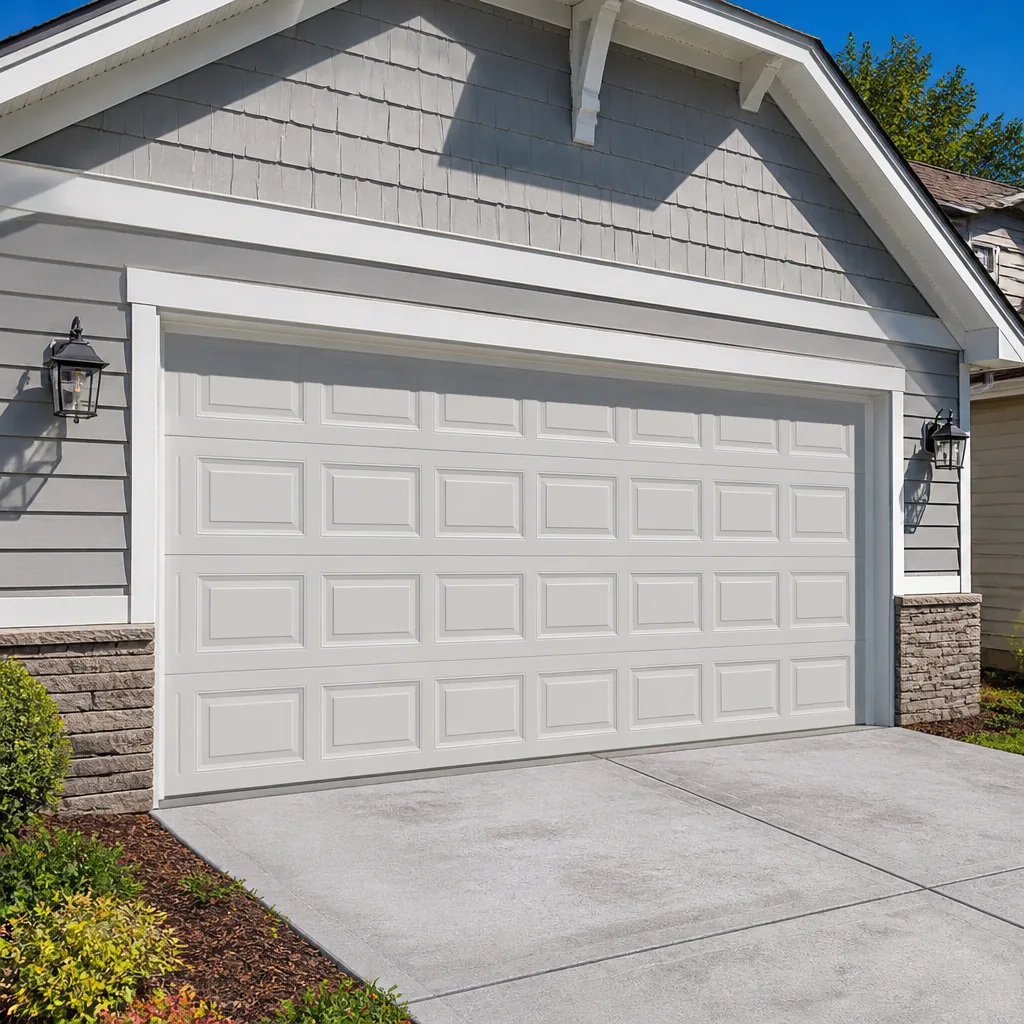 Raised-panel steel
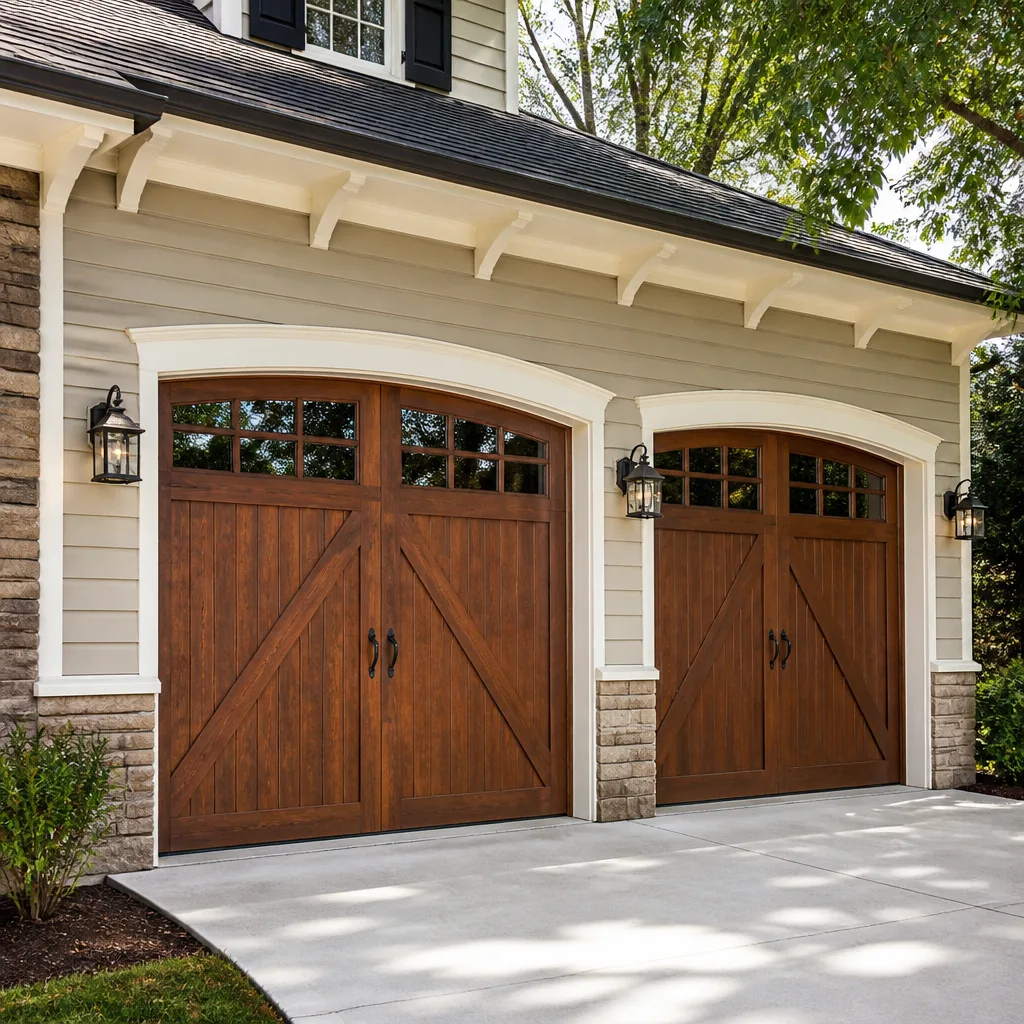 Carriage house
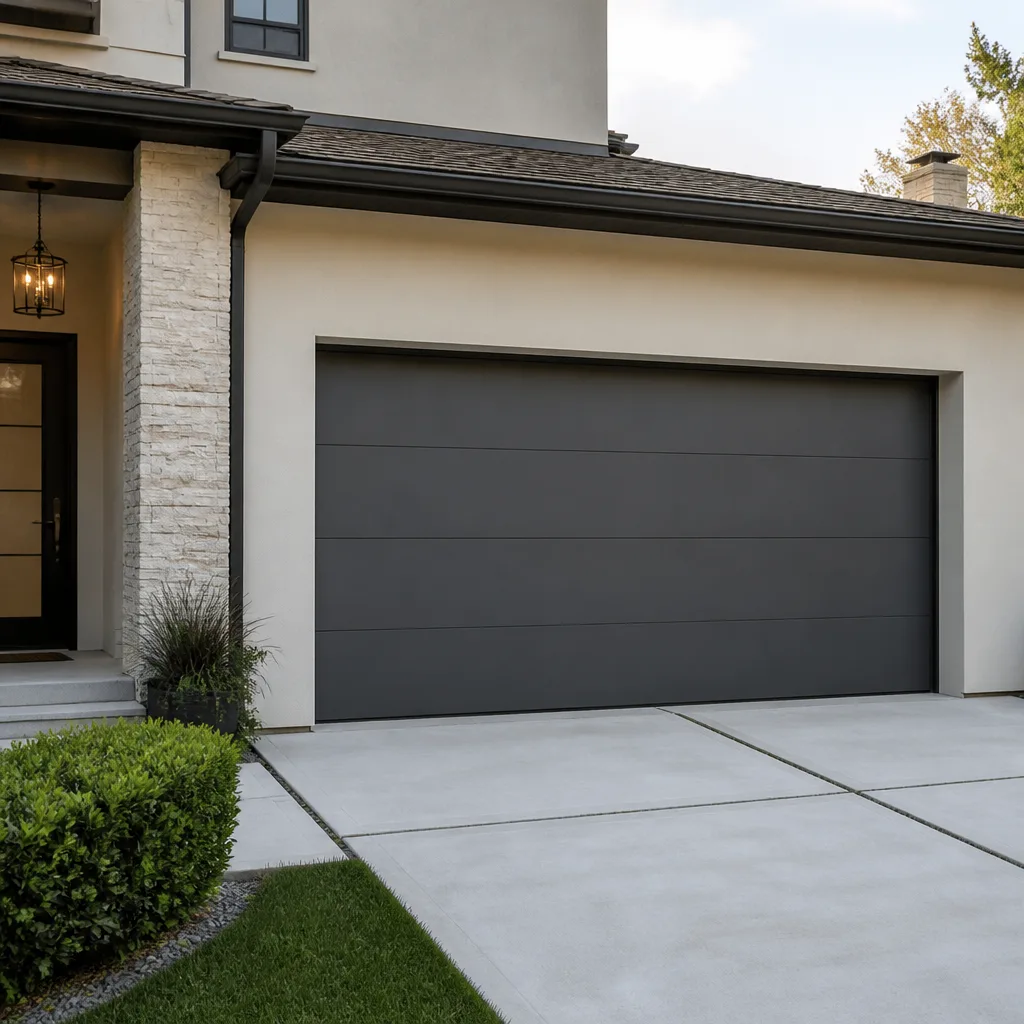 Modern flush
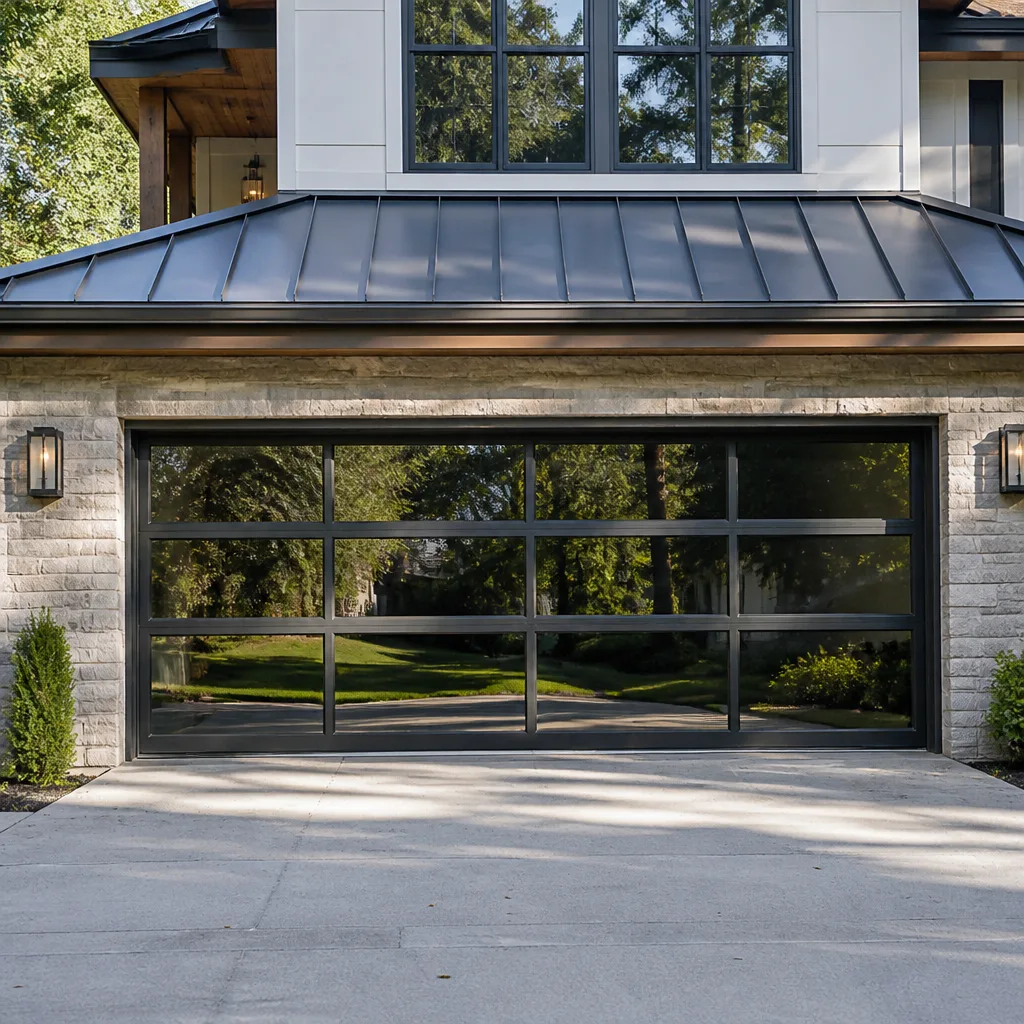 Full-view glass
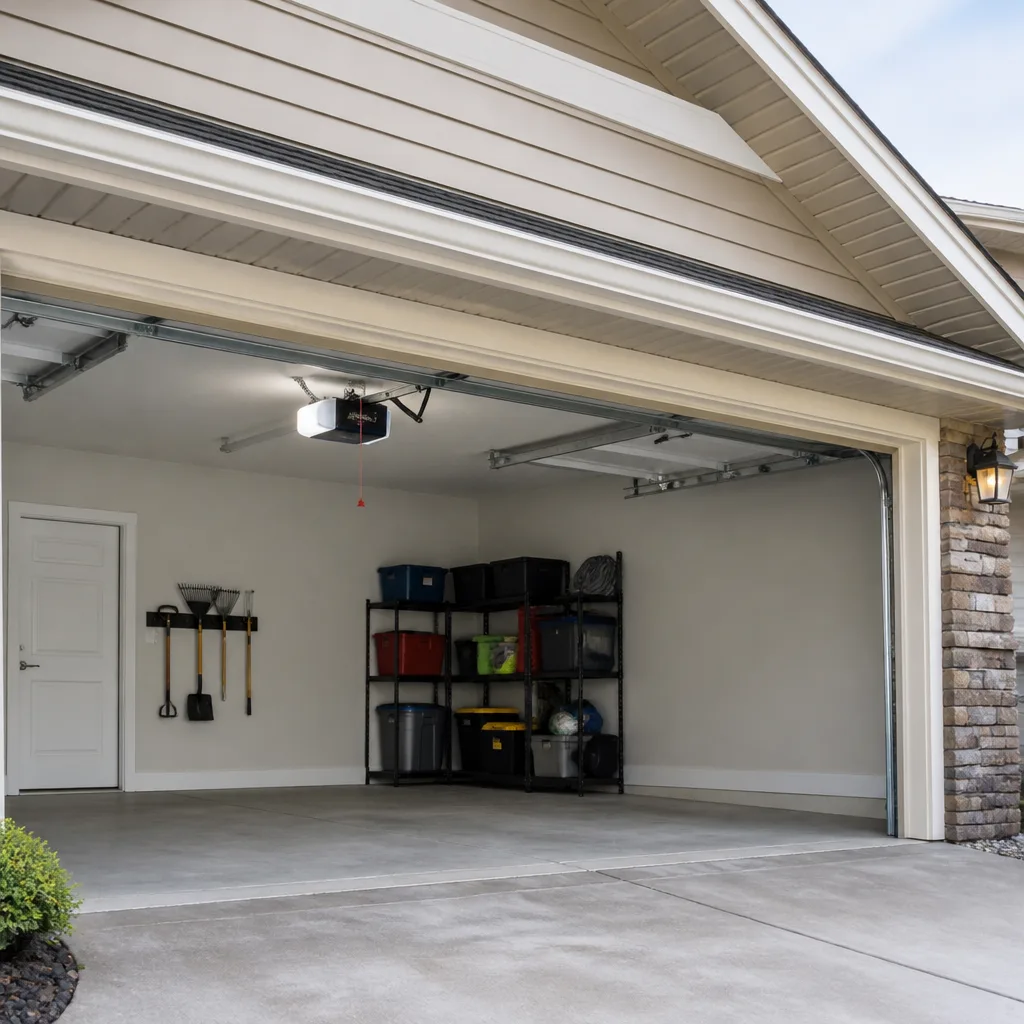 LiftMaster openers
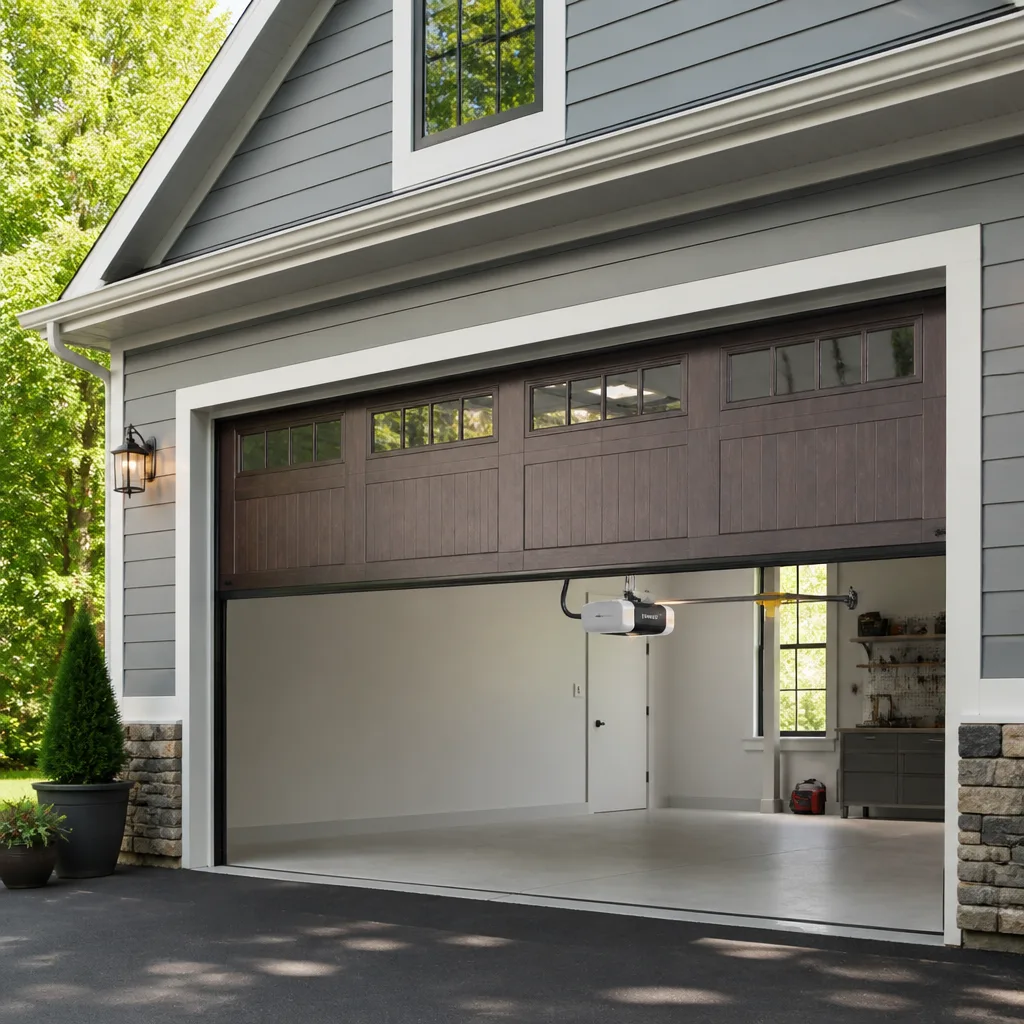 Chamberlain openers
Full 25-point door and opener safety check with every visit - springs, cables, rollers, tracks, and your LiftMaster or Chamberlain opener included
You get a price before we start. It does not change when the pro arrives.
Get your free estimateGarage Door Permits, Codes & Inspections in Tenleytown, DC: What You Need to Know
Most homeowners in Tenleytown assume every garage door project needs a permit. The opposite is closer to the truth. In DC, a straight panel or spring replacement usually falls outside the permit system, while a new opener circuit or a header change almost always lands inside it. The gap between those two outcomes is where resale headaches start. This guide walks through what DC’s building code actually treats as a repair versus an alteration, how Historic Preservation Review Board rules apply to visible changes on Tenleytown homes, what “like-for-like replacement” means in practice, how to pull a permit correctly, and what inspectors check on a garage door. We wrote it from Tenleytown, for Tenleytown.
Quick Answer
In Tenleytown, DC, replacing panels, springs, tracks, rollers or an existing opener on a same-size, same-location basis is generally treated as a repair and does not require a permit. Installing a new electrical circuit for an opener, cutting or altering the structural header above the opening, or changing the size or location of the door typically does require one through DC’s building permit process. Changes to a street-facing door in a historic district may also need Historic Preservation Review Board review. When you’re unsure, call DC’s building department before the work starts.
Styles & brands we work with
- Raised-panel steel
- Carriage house
- Modern flush
- Full-view glass
- LiftMaster openers
- Chamberlain openers
Table of Contents
- What DC’s Building Code Treats as a Repair vs. an Alteration
- What ‘Like-for-Like Replacement’ Means and When It Exempts You
- How Historic Preservation Review Board Rules Affect Tenleytown Doors
- How to Pull a Garage Door Permit in Tenleytown, Step by Step
- What Inspectors Actually Check on a Garage Door Inspection
- Title Insurance and Resale Problems from Unpermitted Work
- Which Garage Door Projects Need a Permit: Decision Guide
What DC’s Building Code Treats as a Repair vs. an Alteration
DC’s building code draws a clean line between maintenance and construction. On one side sits work that restores a system to its original condition. On the other sits anything that changes structure, electrical service, or the physical footprint of the opening. That line decides whether the project needs a permit. Most of the confusion we hear from Tenleytown homeowners comes from assuming the code cares about cost or effort. It doesn’t. It cares about what physically changes.
Treat these as repairs, generally permit-exempt when the size and location of the door stay the same:
- Replacing torsion or extension springs
- Swapping rollers, hinges, cables or bearings
- Replacing bent sections or a damaged bottom panel with the same size and material
- Realigning tracks after a strike or impact
- Replacing a failed opener unit with a same-voltage, same-location unit that uses the existing circuit
- Replacing weather seals, thresholds and wiring harnesses on the opener
Treat these as alterations, which generally require a permit:
- Running a new electrical circuit to the garage for an opener
- Cutting, sistering or altering the structural header above the opening
- Changing door width, height or the location of the opening
- Enclosing, adding or removing a garage bay
- Converting a garage to habitable space or back again
Notice that springs, tracks and panels stay in the repair column because they’re mechanical components, not structure. Electrical is the pivot point for openers. That’s why a motor upgrade can quietly become a permitted job. If you’re working through a mechanical failure, garage door repair covers the repair side of that line, and the permit decision follows from what the door actually needs. If you’re changing the door itself, the question shifts. Our advice is simple: describe the exact change to the city’s building department before work begins. Their answer in writing is worth more than any contractor’s opinion.
What ‘Like-for-Like Replacement’ Means and When It Exempts You
“Like-for-like” is the single most misunderstood phrase in garage door permitting. In plain terms, it means the new component matches the old one in size, material, function and location closely enough that the building’s structure and electrical service are untouched. When those conditions hold, most jurisdictions treat the work as repair. When any one of them breaks, the work becomes an alteration.
Here’s how it plays out on a Tenleytown door:
- Panels: A 9-foot Clopay panel replaced with a 9-foot Clopay panel of the same profile and insulation value is like-for-like. Switching to a different material (steel to wood) or changing the panel height is not.
- Openers: A Craftsman opener replaced with a new Craftsman or LiftMaster unit that uses the existing outlet and circuit is like-for-like. Adding a new circuit, a battery backup wired to a new line, or relocating the motor requires electrical work, which is a permit item.
- Springs: Torsion for torsion and extension for extension, matched to the same door weight. Springs are consumable parts, always repair territory.
- Tracks: Repairing or replacing tracks in the same position is repair. Moving tracks to widen the opening is not.
Two edge cases trip people up. First, “upgrade” is a dangerous word. A heavier door that requires a stronger spring set and a higher-horsepower opener can stress the header and the circuit enough to cross into permitted work. Second, matching the door to a manufacturer spec sheet (Amarr, for instance, publishes exact panel dimensions) helps you argue like-for-like when a future buyer’s inspector asks. Keep the spec sheet and the receipt. They’re the paper trail that survives a sale.
If the existing door is failing and the repair is mechanical, we see a lot of like-for-like swaps on Tenleytown homes in the original panel sizes. If you’re considering a fresh door, garage door installation is where we start the conversation from a size-and-location standpoint, because that’s the first thing the building department will ask about.
How Historic Preservation Review Board Rules Affect Tenleytown Doors
Tenleytown’s housing stock runs old. Rows of 1920s bungalows, brick colonials, and mid-century split-levels sit on small lots, and several blocks fall inside or adjacent to historic districts. If your property is in a historic district or on the DC Inventory of Historic Sites, changing a visible garage door may require Historic Preservation Review Board review, even if the same change would be exempt elsewhere in the city.
The key word is visible. A door facing an alley and mostly hidden from the street is treated differently from a door fronting a principal facade. Two practical rules:
- Check the address before you order. DC’s Office of Planning publishes historic district boundaries. If your block is inside one, call before you specify a door.
- Match first, then modernize. The board reviews design, material and appearance, not the internal mechanism. A new torsion spring or a stronger opener isn’t visible and doesn’t trigger review. A door with a different panel style, color or window pattern often does.
We see Tenleytown homeowners caught off guard here more than any other single issue. A door order placed before the review comes back is the expensive kind of mistake, because the door is custom-fabricated and can’t be returned. Ask your supplier to hold the order until you have the review decision in hand. If the board wants a specific panel profile (a lot of historic stock matches Wayne Dalton’s classic steel profiles), you’ll want that in the manufacturer spec sheet before the order is confirmed. The board cares about what a passerby sees. Our job is making sure the door that passes review also operates correctly. Those two goals usually aren’t in conflict.
One more point: historic review is separate from the building permit. You may need both. Review passes first, then the permit is pulled, then the work happens. Don’t reverse the order.
How to Pull a Garage Door Permit in Tenleytown, Step by Step
DC’s permit process for a residential garage door alteration is not complicated, but it rewards preparation. Missing paperwork is the usual reason for delay. Here’s the sequence we see work cleanly:
- Confirm the scope in writing. Write down exactly what’s changing: new circuit, header modification, door size, door location. Have the contractor’s written estimate include the scope. The permit application will reference it.
- Check historic status. Search the address for historic designation. If it’s inside a district, submit for Historic Preservation Review Board review before anything else.
- Pull the permit through DC’s building permit system. Most residential garage door permits can be filed online. You’ll submit drawings (a plan for a header change, an electrical diagram for a new circuit) and the contractor’s information.
- Pay the permit fee and wait for issuance. Fees are calculated by the building department based on project valuation. The issuance is your green light. Do not start work before it issues.
- Schedule the inspection. Once the work is done, request an inspection. The permit isn’t closed until the inspection passes.
- Keep the paperwork. File the permit, inspection report and final invoice together. You’ll want all three at resale.
Who pulls the permit depends on the job. For a pure mechanical repair, nobody does. For an alteration, the licensed professional performing the work typically pulls it. Electrical permits are often pulled by the electrician running the new circuit, not by the door technician. That division of responsibility trips up Tenleytown homeowners who assume the door contractor handles everything. Ask before you sign. If a project involves both a door and an opener on a new circuit, you may be dealing with two permits and two inspectors. Plan the schedule so the electrical inspection happens before the door installation. Otherwise you’re re-opening finishing work.
For routine opener service on an existing circuit, there’s no permit to pull. That falls under garage door opener repair, and the work is a same-location swap or a component fix. For anything that crosses into electrical or structural territory, the permit is the paper that protects you. Get it in advance.
What Inspectors Actually Check on a Garage Door Inspection
An inspector arriving for a garage door permit is not there to test your springs. They’re checking that the work matches the permit and that the door doesn’t create a safety hazard. The list is shorter than most homeowners expect, but the items are non-negotiable. Here’s what we see inspectors look at, and how to make their visit uneventful:
- Permit and drawings on site. The approved drawing and permit should be available. Mismatches between drawing and installed work are the most common failure.
- Structural header intact. If the permit was for a header modification, the inspector verifies the reinforcement matches the plan. A sistered or bolted beam is inspected, not just glanced at.
- Electrical connections. For an opener on a new circuit, the inspector verifies the wiring method, junction boxes, disconnect and grounding. This is usually the electrician’s inspection, separate from the door.
- Safety reversal. The inspector or the door technician will test the photo-eye sensors and the reversal mechanism by placing an obstruction in the door’s path. The door must reverse.
- Auto-reverse on the opener. The mechanical reverse settings are checked. Older openers without functioning safety reverse fail.
- Labeling and manufacturer documentation. The door and opener should carry their manufacturer labels (Craftsman, Chamberlain and LiftMaster units usually do). The spec sheet helps confirm like-for-like if it’s ever questioned.
Two things to know before the inspection. First, the door needs to be operating cleanly. If springs are tired or tracks are misaligned, fail-first. Fix the mechanical parts before the inspector arrives. Second, if the door was reviewed by the Historic Preservation Review Board, the inspector verifies that the installed door matches the approved appearance. A different panel style than the review approved is a stop-work issue. Coordinate the electrical inspection and the door install so you’re not booking two visits on the same day.
If the inspection fails, it’s usually for paperwork. The installed work doesn’t match the permitted scope. That’s why our advice on scope in writing matters more than anything else in this guide.
Title Insurance and Resale Problems from Unpermitted Work
A title search doesn’t inspect your garage. What it does is reveal permits pulled and permits closed. When work that required a permit was done without one, the discrepancy surfaces during the buyer’s due diligence. That’s when a small job becomes an expensive one. We’ve seen this strain Tenleytown sales in ways that surprise sellers.
The failure modes are consistent:
- Unpermitted electrical. An opener wired to a new circuit without a permit doesn’t show in the title record. A buyer’s inspector likely catches the rough junction box. The resolution is a retroactive permit, an electrical inspection, and possibly rework. Buyer and seller negotiate over who pays.
- Unpermitted structural change. Header work is worse. The buyer’s structural engineer flags it, the city requires engineering drawings to retroactively permit, and the cost of engineering can exceed the cost of the original work.
- Title insurance gaps. Standard owner’s title policies don’t cover unpermitted work. Some policies exclude claims arising from code violations. A buyer’s lender may require the seller to close the open permit before the loan funds.
What to do: if you already did work that should have been permitted, don’t hide it. Pull the permit retroactively. DC’s process allows correction, and a revealed-and-corrected permit is far easier to sell through than a surprise. The documents you want in your closing file are the permit, the inspection report, the contractor’s invoice, and the manufacturer spec sheets for door and opener. That set answers almost every question a buyer’s attorney will ask.
For a door that’s failing on its own and needs a routine fix, the permit question mostly doesn’t apply. See our Garage Door Repair Tenleytown page for the mechanical side. The permit question becomes serious only when work changes the structure or the electrical service.
Which Garage Door Projects Need a Permit: Decision Guide
Use this as your at-a-glance check. It’s not a legal opinion, and DC’s building department has the final word on every project, but it reflects how the line is drawn in practice:
| Project | Permit Needed? | Notes |
|---|---|---|
| Replace one torsion or extension spring | No | Mechanical component |
| Replace rollers, hinges, cables, bearings | No | Mechanical component |
| Replace a bottom panel with same size and profile | No | Like-for-like |
| Replace existing opener on existing circuit | No | Existing outlet, same location |
| Install opener on new dedicated circuit | Yes | Electrical work |
| Change door size or opening location | Yes | Alteration, structural |
| Modify or reinforce the header above the opening | Yes | Structural |
| Change visible door style in a historic district | Likely, via HPRB review | Review first, then permit |
| Convert garage to habitable space | Yes | Full build-out |
Two clarifications. First, “no permit” doesn’t mean “no code.” Springs, openers and safety reverse devices still need to function within the manufacturer’s spec and any applicable safety code, whether or not a permit is required. Second, if you’re in a historic district, the HPRB review is independent of the permit. Many visible changes go through review even though they’d otherwise be permit-exempt. Confirm both questions before you order a door or schedule install.
For Tenleytown specifically: the density of older homes, the abundance of alley-facing garages, and the historic overlay districts all push toward a higher likelihood that a door change will touch either the historic review process or the structural side. If your garage was built pre-1960, treat a door change as “permit-required until proven otherwise.” It’s a cheap check with the building department and avoids the expensive version later.
Common Mistakes to Avoid
- Assuming a new opener is just a swap. If the opener runs on a new dedicated circuit, it’s electrical work and needs a permit. If it reuses the existing circuit, it’s typically permit-exempt. Check the outlet before you order.
- Ordering a custom door before historic review clears. Crucial for Tenleytown homes inside or adjacent to historic districts. A panel style that fails review is very expensive to return.
- Treating “like-for-like” as a free pass for any replacement. The exemption only holds when size, material, function and location all match. A heavier panel with a stronger spring set can move a project from exempt to permitted.
- Not pulling the permit for the header. Structural work without a permit is the single biggest resale problem we see. It’s also the most expensive to correct retroactively.
- Doing electrical himself / herself (or using a handyman). Electrical work on a new opener circuit belongs to a licensed electrician, and the permit matters for the circuit itself. We can’t do that work. We can tell you when it’s needed.
- Losing the inspection report and spec sheets. Without the paperwork, the buyer’s due diligence treats work as unpermitted by default. Keep the file.
- Failing the inspection on something mechanical. A tired spring or misaligned track will fail a safety-reversal test. Fix the mechanical parts before the inspector comes.
See the difference
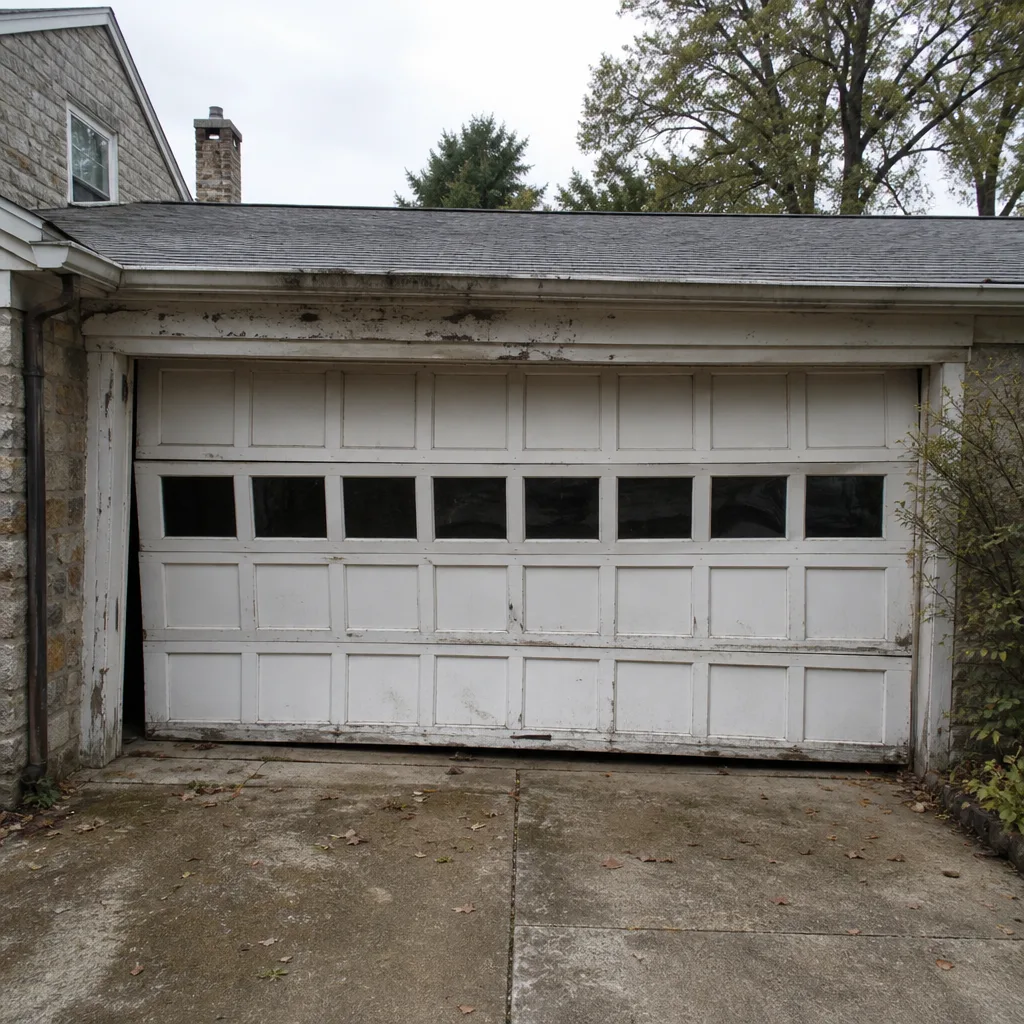 Before
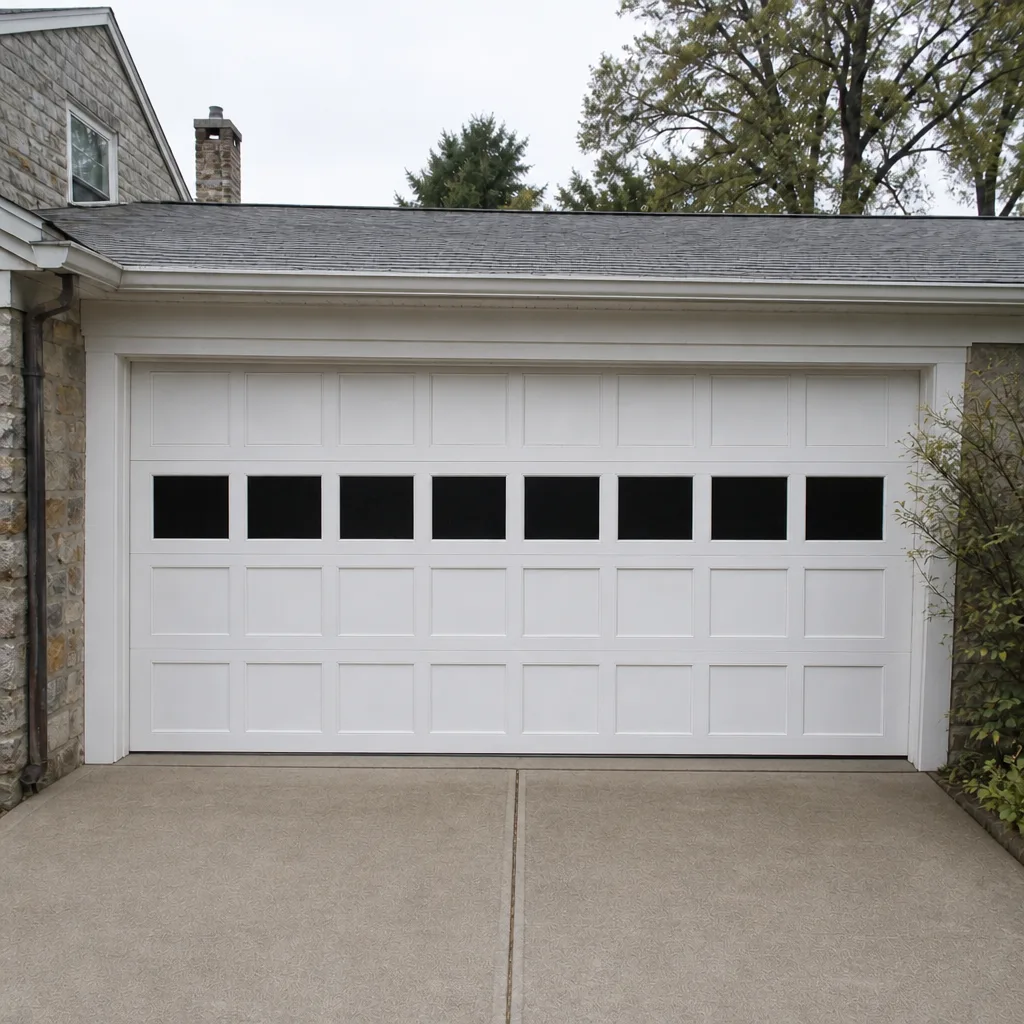 After
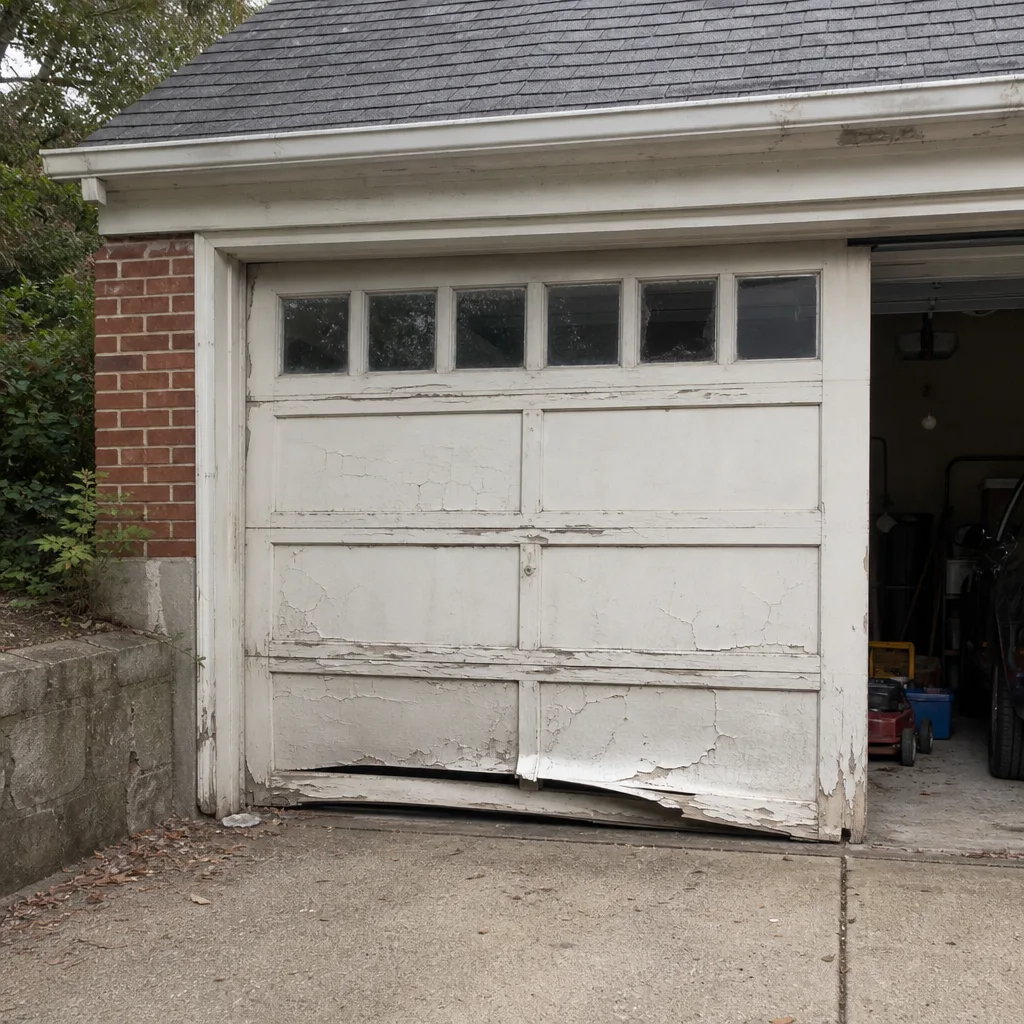 Before
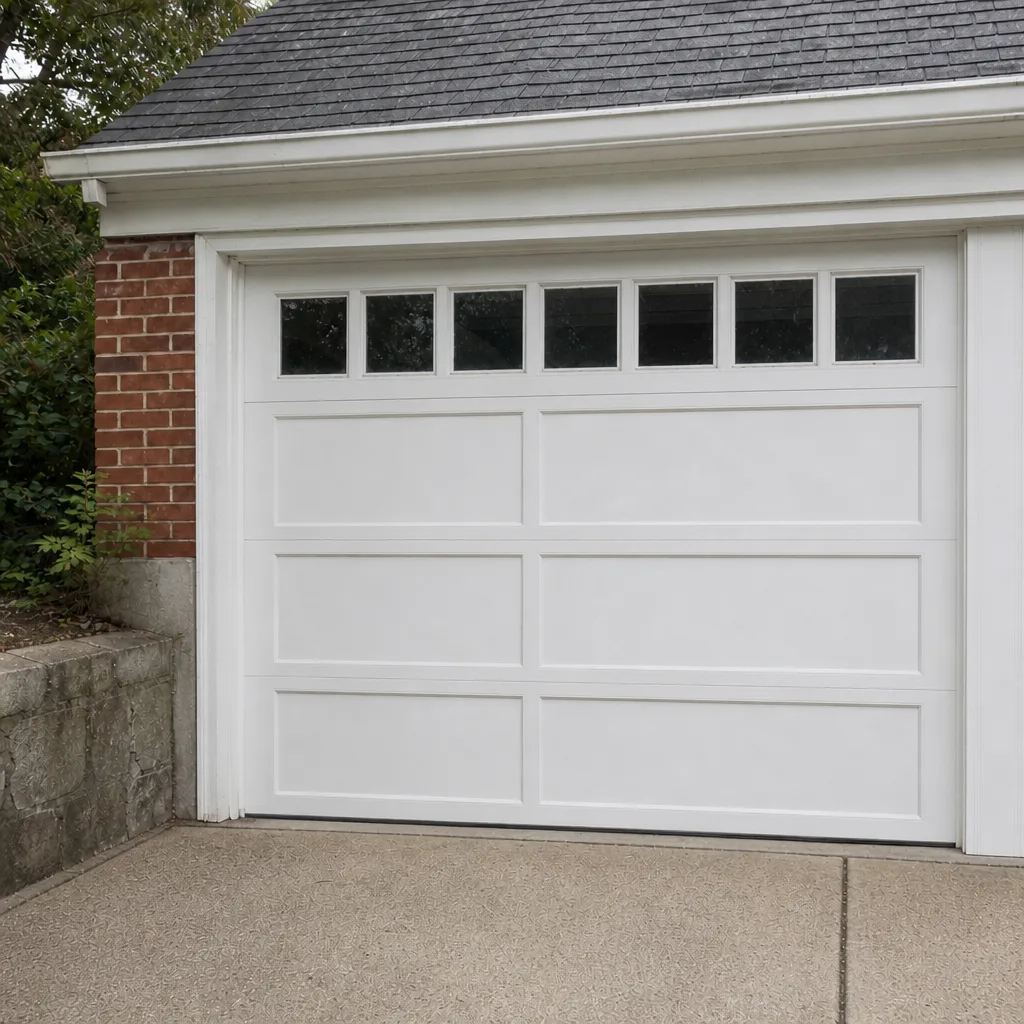 After
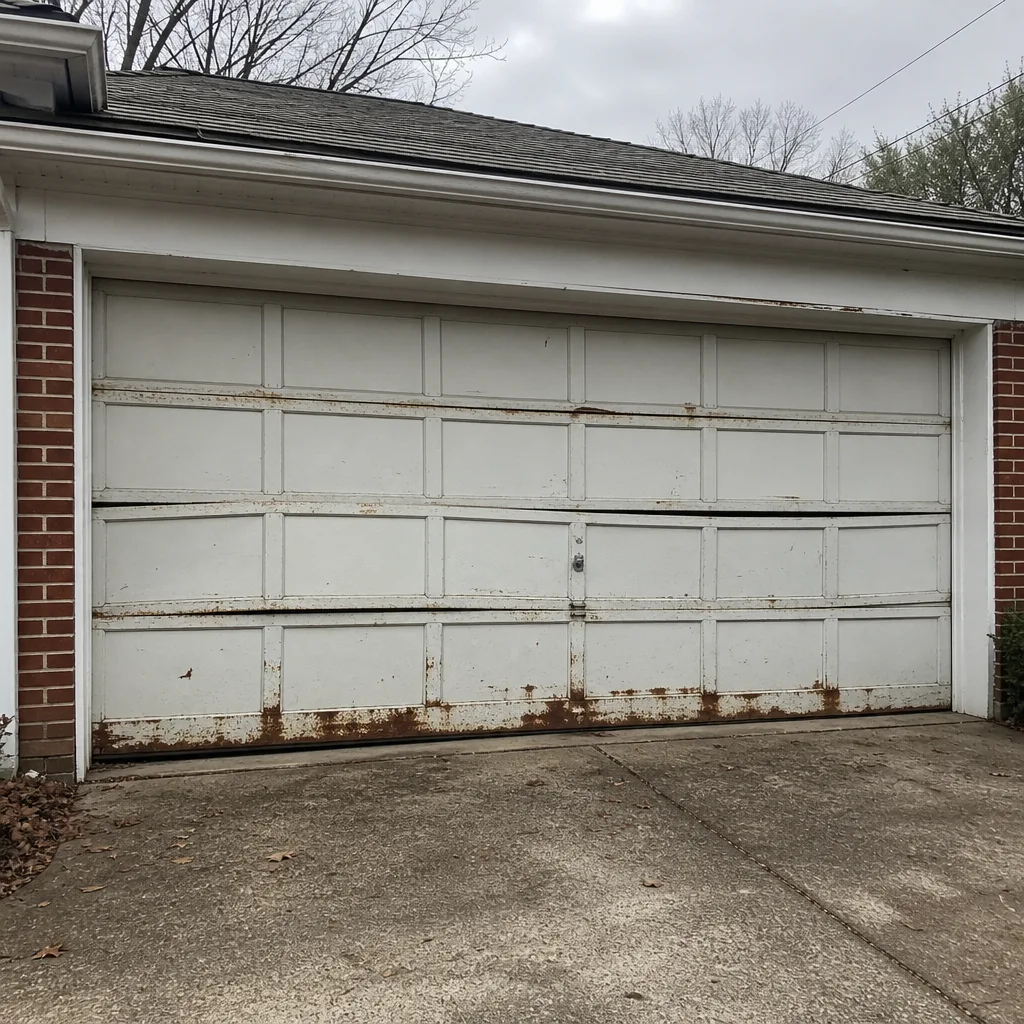 Before
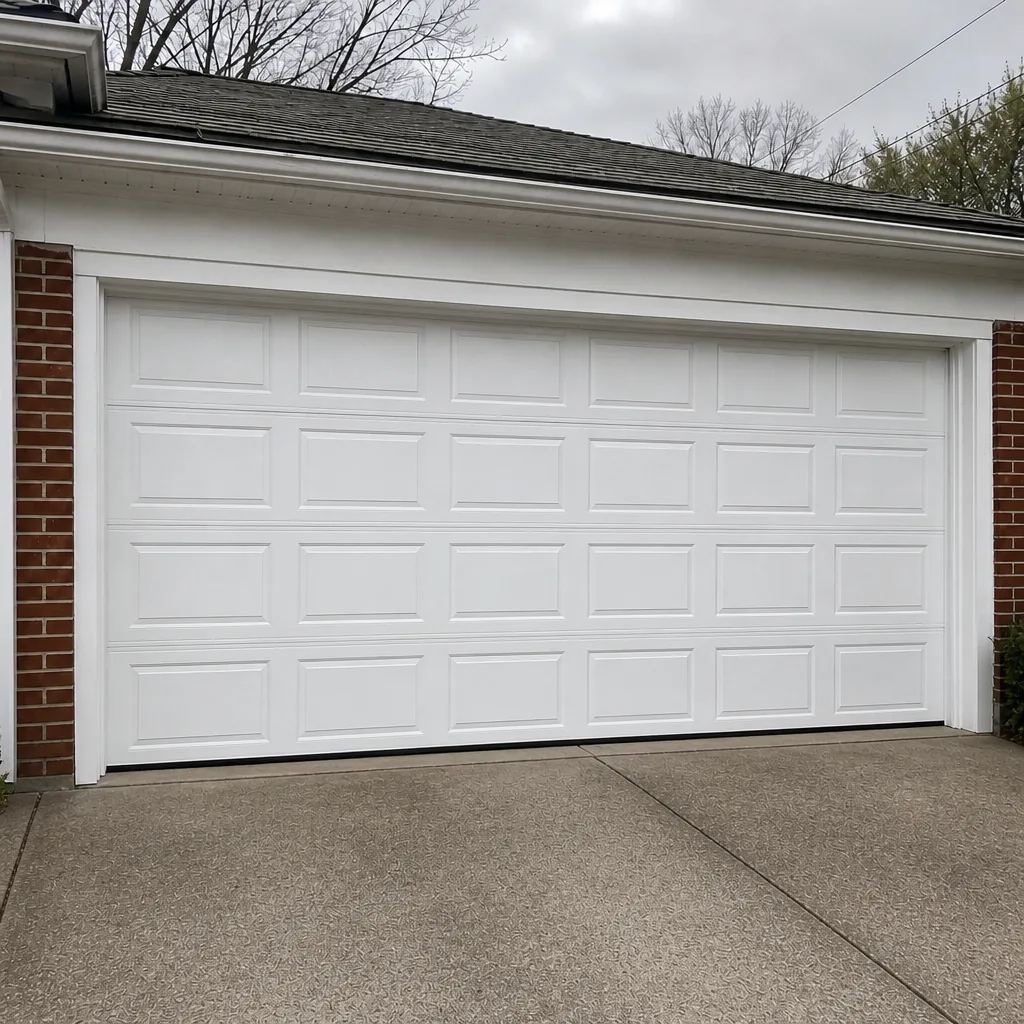 After
When to Call a Professional
You should call a professional for any torsion or extension spring work, because the stored energy in a wound spring can cause serious injury when the wrong tools are used. Call when a door is off-track, when a panel has separated from the frame, when the opener runs but the door doesn’t move, or when the photo-eye sensors won’t clear. Call when you’re replacing an opener and aren’t sure whether the existing outlet counts as a dedicated circuit, because that’s the line that decides whether an electrician needs to be involved. Call when a street-facing door needs a change and you don’t know whether the property is in a historic district. Call when the door is stuck open or won’t close and the house is unsecured. Garage Door Repair Tenleytown offers free estimates in Tenleytown. Call (855) 658-4168. We answer 24/7. Fast dispatch from 7am to 7pm, Sunday through Friday. Our technicians have up to 13 years of experience, and we service LiftMaster, Chamberlain, Genie, Clopay, Amarr, Wayne Dalton, Craftsman and Raynor systems.
Frequently Asked Questions
Not for like-for-like replacement with the same size, material and location. A true replacement that changes the door’s size, material, location or the structural header over the opening usually does require a permit through DC’s building department. If your Tenleytown property is inside or adjacent to a historic district, changes to a visible door may also require Historic Preservation Review Board review first. Call (855) 658-4168 for a free estimate on the mechanical side, and confirm the permit question with the building department before ordering a door.
It depends on the circuit. Replacing an existing opener with a new unit that uses the existing outlet typically doesn’t require a permit. Running a new dedicated electrical circuit to the opener always does, because that’s electrical work. The licensed professional pulling the electrical permit is usually the electrician, not the door technician. If you’re not sure which case applies, have an electrician look at the garage outlet before scheduling the opener install.
Like-for-like means the new part matches the old in size, material, function and location closely enough that the building’s structure and electrical service aren’t touched. A 9-foot steel panel replaced with another 9-foot steel panel of the same profile is like-for-like. A heavier insulated Amarr panel that requires new springs and a stronger opener isn’t. Keep the manufacturer spec sheet for the new part; it’s the paper that supports the like-for-like claim if anyone asks at resale.
Check the address against the DC Office of Planning’s historic district boundaries before you order a door. Tenleytown has several blocks inside or adjacent to historic districts, and the boundary doesn’t always follow lot lines. The fastest check is a phone call to the historic preservation office with your address. If the answer is yes, submit for review before the door is fabricated, and don’t order the door until the review clears.
Yes. A title search won’t inspect the door, but it will reveal the absence of a required permit, and the discrepancy typically surfaces during the buyer’s due diligence. Unpermitted electrical or structural work can be excluded from a buyer’s title insurance, and lenders may require the open permit be closed before funding. The clean answer is to pull the permit retroactively and have it inspected before you list. The closing file you want is permit, inspection report, contractor invoice and manufacturer spec sheet.
No. Springs, rollers, hinges, cables and panels are mechanical components, and replacing one with a like-for-like part in the same position is generally a permit-exempt repair. Historic review and structural permits apply to changes in the door’s appearance, size or opening, not to internal mechanical parts. If the spring repair is the only work being done, no permit is involved. Call (855) 658-4168 for a free estimate on the repair itself.
The Bottom Line
In Tenleytown, the permit question on a garage door comes down to two things: does the work change the structure, and does it change the electrical service? If the answer to both is no, most spring, panel, track and same-circuit opener work is permit-exempt. If either changes, it’s a permitted alteration. On historic blocks, a third question joins them: does the change alter a visible door? When that answer is yes, HPRB review comes before anything gets ordered. The complexity isn’t the permit itself, it’s the timing. Get the scope in writing, confirm historic status, pull the permit in the right order, inspect, and file everything together. Sellers who do this have a clean title at resale. Sellers who skip it own the problem. We repair and install garage doors across Tenleytown and can help you sort the mechanical side from the permit side before you commit to a project.
Call (855) 658-4168 for a free estimate. We answer 24/7. Fast dispatch from 7am to 7pm, Sunday through Friday. Our technicians have up to 13 years of experience and work on every major brand, including the eight named above. Whether the door needs a spring, an opener or a full replacement, we’ll tell you what the job involves, what’s likely to trigger a permit, and what the price is before we start.
Written by the team at Garage Door Repair Tenleytown.