
Last updated November 21, 2026
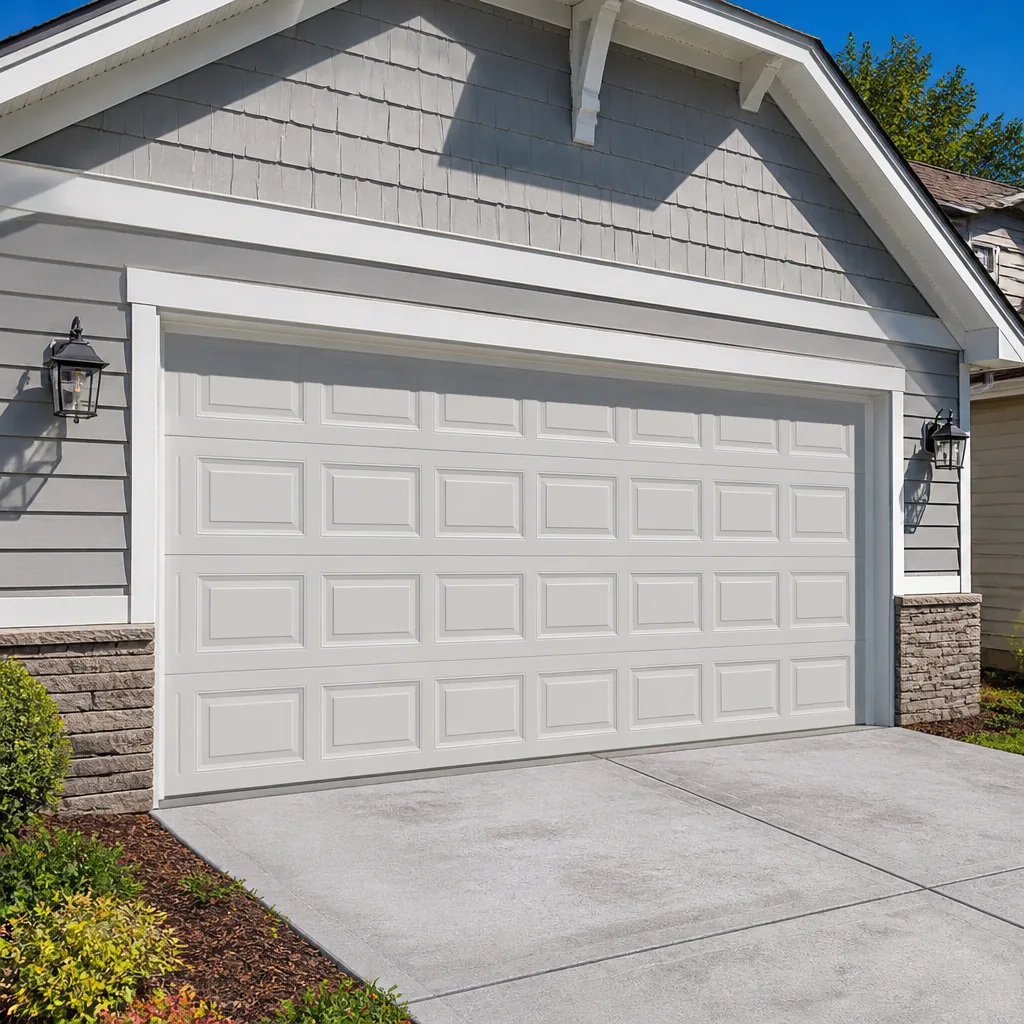 Raised-panel steel
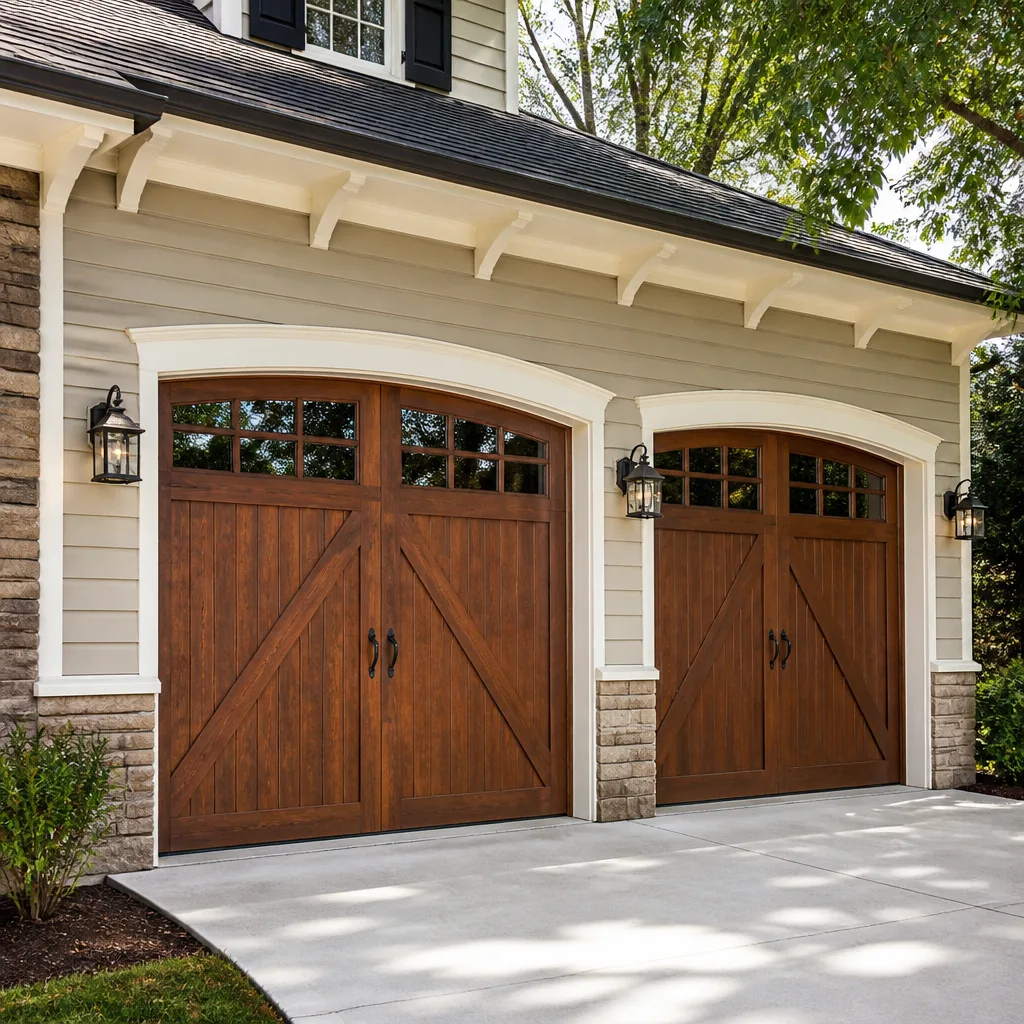 Carriage house
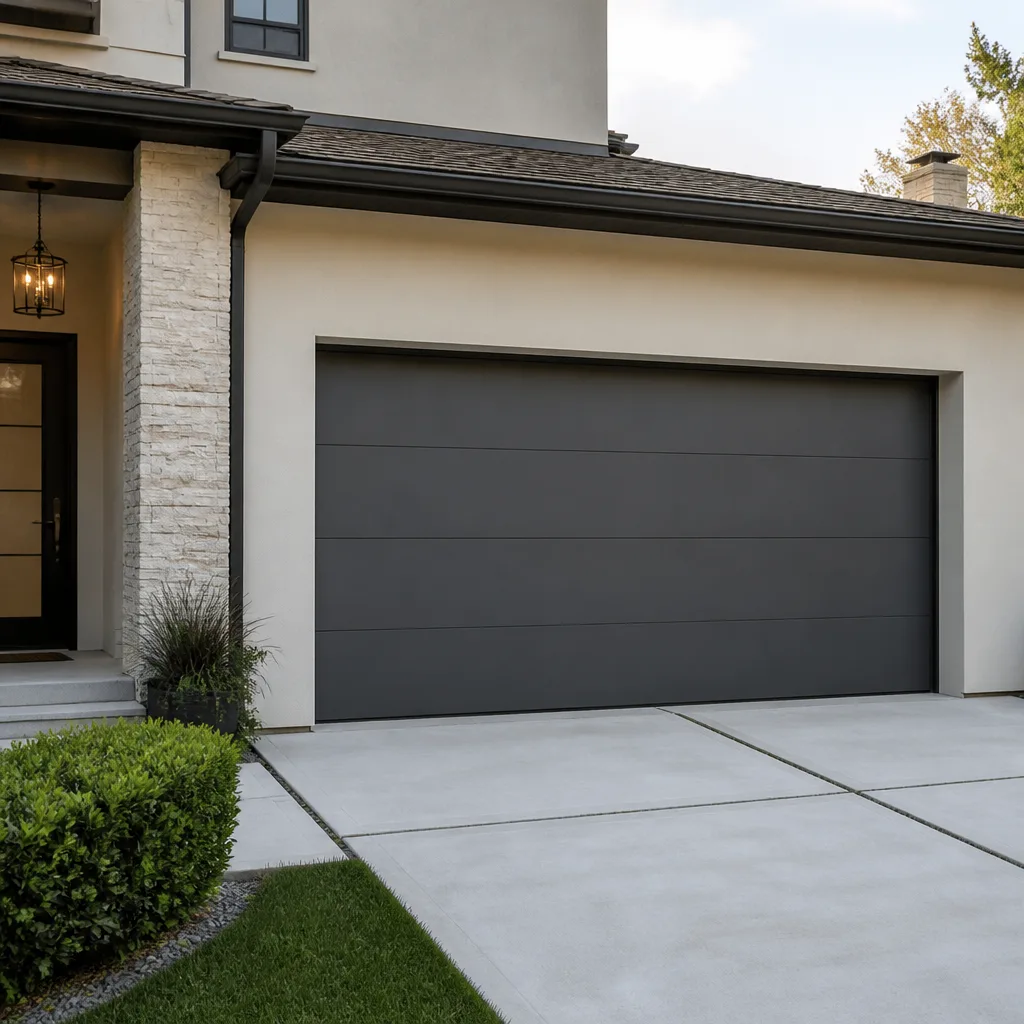 Modern flush
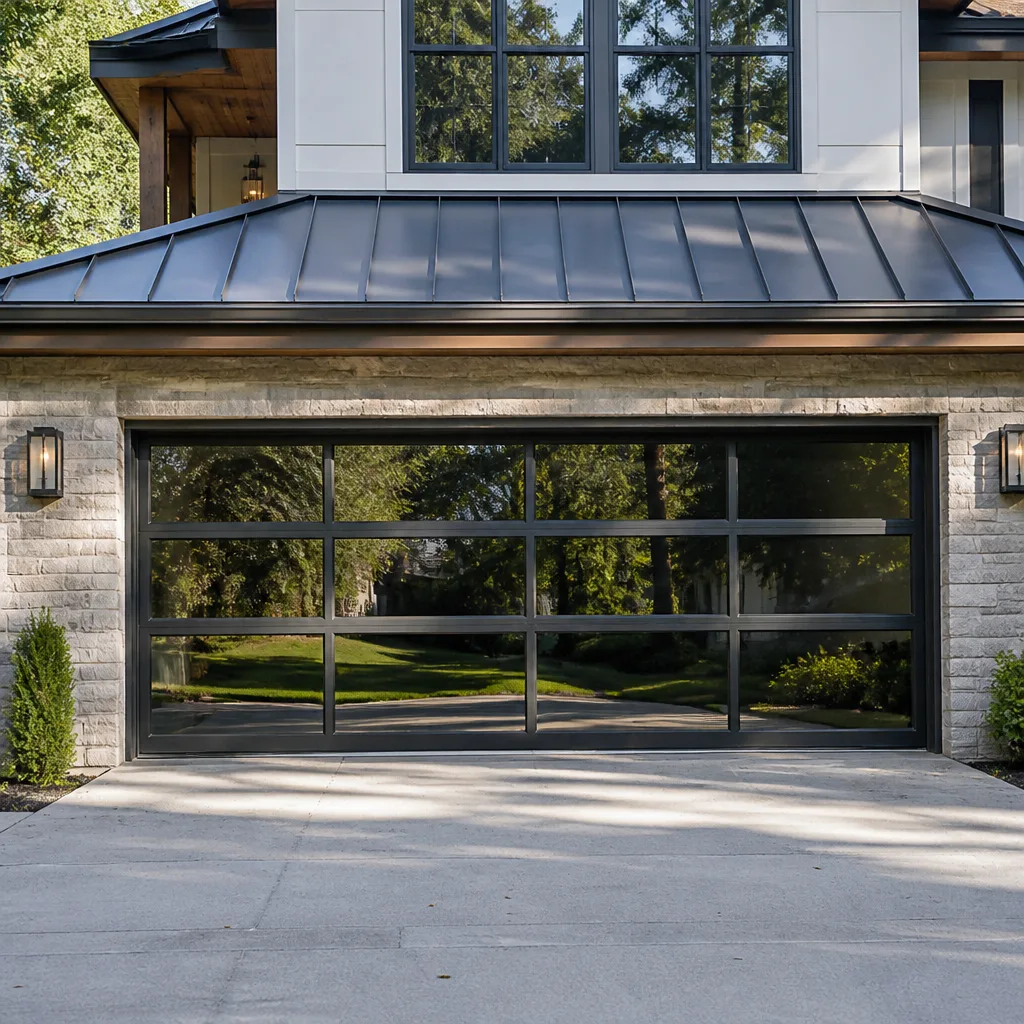 Full-view glass
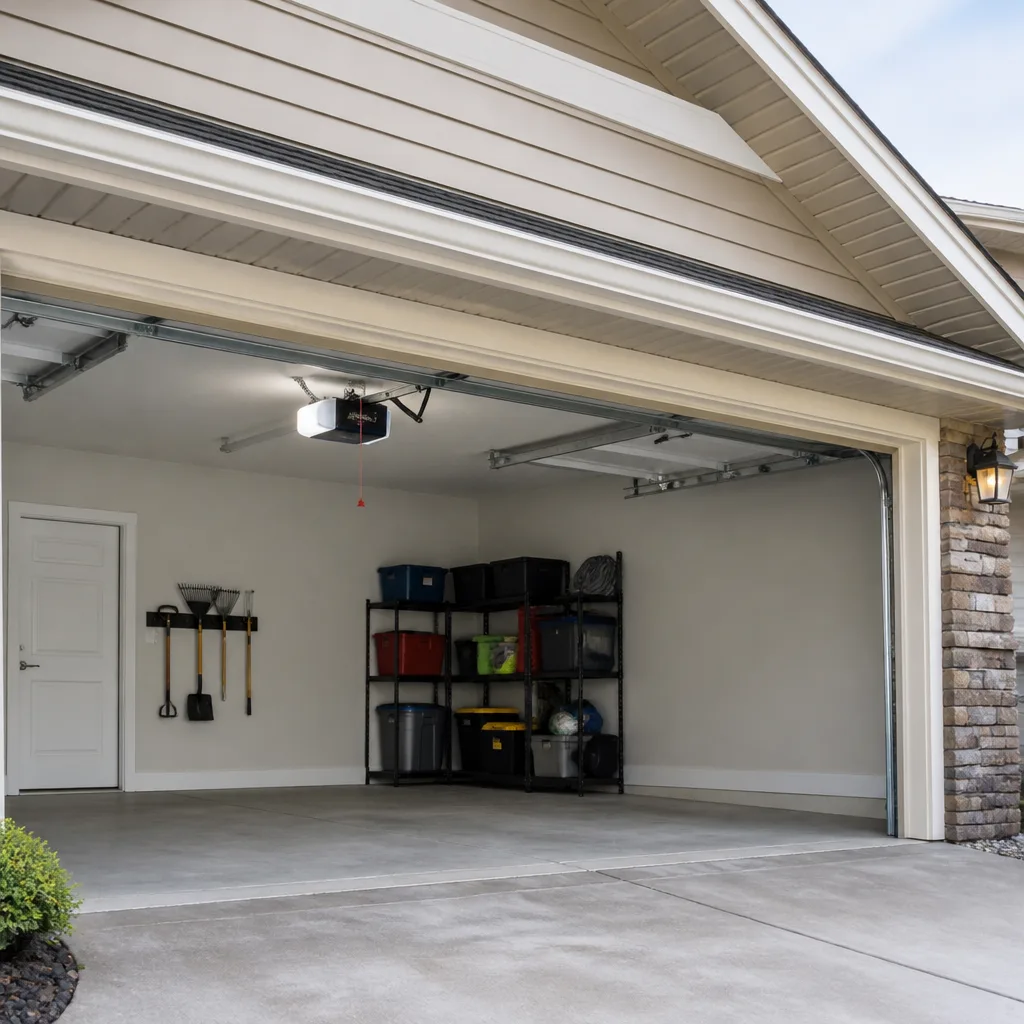 LiftMaster openers
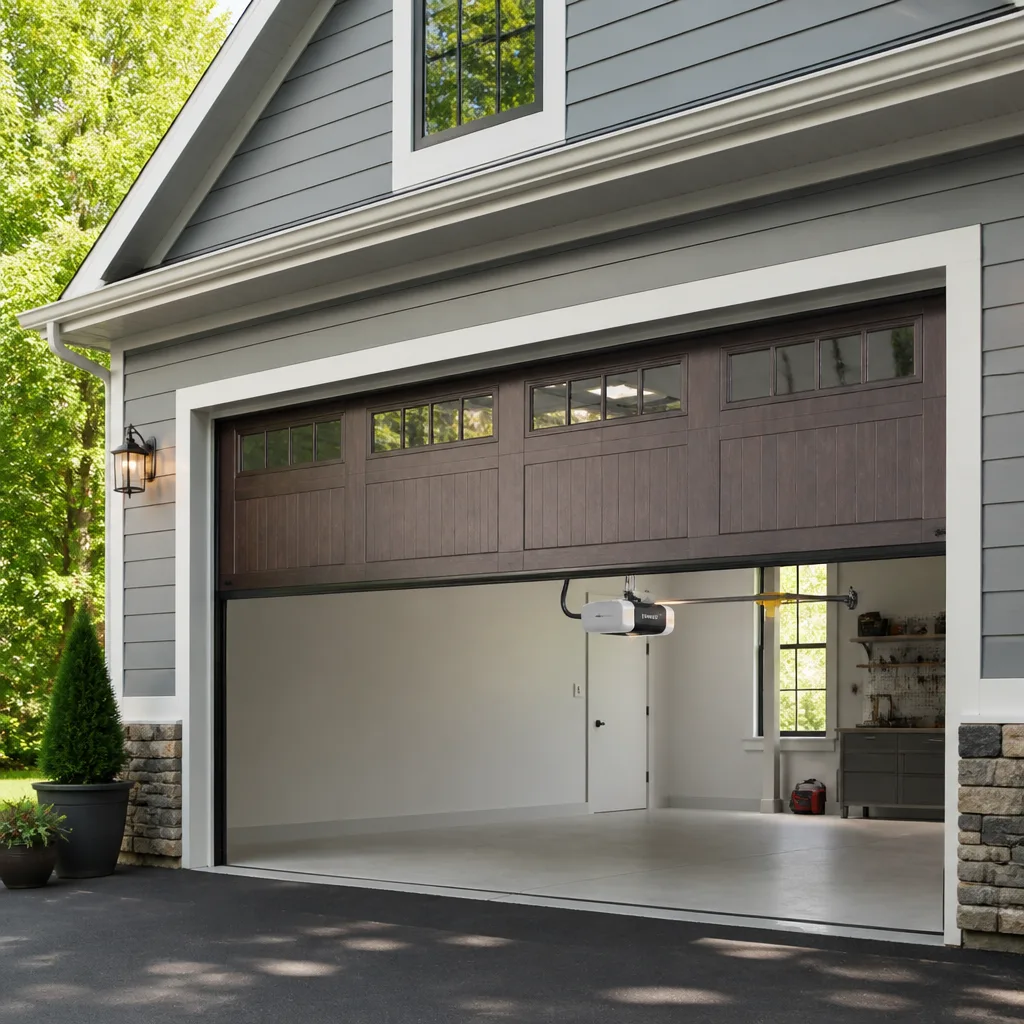 Chamberlain openers
Full 25-point door and opener safety check with every visit - springs, cables, rollers, tracks, and your LiftMaster or Chamberlain opener included
You get a price before we start. It does not change when the pro arrives.
Get your free estimateSeasonal Garage Door Care for Tenleytown: Year-Round Homeowner’s Guide
The failure you’ll see in January starts in July. In our experience across Tenleytown, the cable that snaps on the first cold morning usually spent the summer absorbing humidity it never should have. The spring that lets go in a February cold snap was often weakened by a summer of a door swelling and binding against its frame. Most seasonal advice treats the same checklist as a year-round ritual and misses the point: a Tenleytown garage door faces four distinct kinds of stress, and each season is a separate diagnostic moment. This guide breaks the year into those four windows, shows you what to actually look and listen for, and explains when a job belongs in your hands and when it belongs with a trained technician.
Quick Answer
Tenleytown garage doors fail on a seasonal rhythm driven by Washington DC’s humidity and freeze-thaw swings, not by age alone. Late summer is when moisture damages cables, wood panels swell, and opener travel limits drift; the coldest nights of January and February are when weakened springs and older openers’ auto-reverse sensors finally quit. Inspect the door after each season turns, and call a specialist at the first sign of a binding door, a frayed cable, or a door that won’t reverse when it should.
Styles & brands we work with
- Raised-panel steel
- Carriage house
- Modern flush
- Full-view glass
- LiftMaster openers
- Chamberlain openers
Table of Contents
- Spring: Reading the Damage Winter Left Behind
- Summer: Tenleytown Humidity and the Cable Problem
- Fall: The Pre-Freeze Checklist That Prevents January Calls
- Winter: Cold-Weather Reverse Failures and Sensor Sensitivity
- Alley-Facing Versus Street-Facing Doors
- How Door Materials Age Differently Here
- Common Mistakes to Avoid
- When to Call a Professional
Spring: Reading the Damage Winter Left Behind
Spring in Tenleytown is a season of evidence, not a season of fresh starts. The freeze-thaw cycle that runs through a DC winter moves the ground under your garage slab, and the first warm weeks are when that movement shows up as a door that suddenly drags, rubs, or sits unevenly across the opening. Before you touch anything on the door itself, walk the perimeter and read what winter left behind.
Start with the track and the concrete
Frost heave is a quiet troublemaker in older Tenleytown garages, particularly where the apron slab meets the driveway and where mature trees have pushed roots under the concrete over many years. Look for three things:
- A shifted bottom plate. If the concrete under the door has lifted, the bottom seal can no longer sit flat, and the door may catch on the threshold as it closes.
- Bent or bowed vertical track. A track that has taken a nudge from a car bumper or been pushed out of plumb by ground movement will make the door bind on one side. You can see it as a gap between the track and the door edge that changes as the door travels.
- Daylight under the closed door. A visible strip of light along the bottom seal after the door fully closes is a gap, and gaps let in weather, water, and pests. It also tells you the seal or the threshold needs attention.
Then check the hardware by eye and ear
Do a visual pass on the rollers, hinges, and springs. Rollers should be round and seated in the track without a wobble. Hinges should be tight, not loose enough to rattle as the door moves. Springs should look whole, with no visible gap in a torsion spring or a stretched-out extension spring on a door that uses them. Then listen: run the door up and down and note any squeal, grind, or uneven rhythm.
Don’t try to adjust or remove a torsion spring yourself. Torsion springs and the cables wound around their drums are under extreme tension, and they are the single most dangerous component of a garage door. If a spring looks broken or the door feels unbalanced, that’s a job for trained hands with proper winding bars and the right procedures. For panel, track, and roller issues, our Garage Door Repair Tenleytown service covers the full spring-to-seal range. If you’re not sure what you’re looking at, that’s a good reason to have it assessed rather than guess.
Summer: Tenleytown Humidity and the Cable Problem
Summer is the season people ignore, and it’s the one that causes the most January emergencies. Washington DC’s summer humidity is relentless, and in a garage it does its slow work on steel cables, wood door panels, and the opener’s logic board. The classic pattern we see: a cable that looked fine in June strands its strands by September, then snaps on the first genuinely cold morning when metal contracts and tension spikes.
Why humidity attacks the cables
Garage door cables are wound steel. In a humid garage, condensation forms on them repeatedly and the lubricant film breaks down. The outer strands can develop surface rust and, over time, individual wires start to fail. You won’t notice a cable fraying until you look for it. Run a gloved hand along the cables (carefully, with the door down) and check for:
- fuzziness or broken wire ends along the cable
- a cable that has jumped out of its drum groove on a torsion system
- rust dust or red staining on the cable itself
Any of those is a stop-using-the-door signal, not a wait-and-see signal. Frayed cables are unpredictable and dangerous.
Wood doors swell, and travel limits drift
Doors with wood or wood-composite panels, including many older Clopay and similar models, absorb summer moisture and expand slightly. When they do, the door can start binding against the jamb, and a door that binds fights the opener. On a chain- or belt-drive opener, the symptom is usually a door that opens fully but stops a few inches short on the way down, or a door that reverses for no obvious reason because the opener thinks it hit an obstruction. If you notice the door binding, don’t just crank the opener force up to push through it. That masks the problem and stresses the opener’s gear and motor. The right move is a mechanical adjustment to the travel limits and, ideally, a call, since binding is usually a symptom of something the door is fighting rather than the opener being weak.
Opener repair, not opener replacement
A lot of summer “opener failures” are really door-and-cable problems the opener is reacting to. An opener that won’t close against a stiff door needs the door fixed, not a new motor. When the opener itself is genuinely at fault, our garage door opener repair covers the major brands, including the LiftMaster, Chamberlain, and Genie units most Tenleytown garages run. Diagnosis first; replacement only if the unit is actually failing.
Fall: The Pre-Freeze Checklist That Prevents January Calls
Fall is the most valuable maintenance window of the year in Tenleytown because it’s the last time you can catch a problem in mild weather before the cold turns it into an emergency. The checklist below is deliberately short and specific to what fails here when temperatures drop.
- Test the auto-reverse. With the door down, place a 2×4 flat on the ground in the door’s path and close the door. The door should reverse on contact. Then test the photo-eye safety sensors: with the door open, wave an object through the sensor beam. The door and opener should respond. If either fails, fix it before winter. Auto-reverse failures are the most common cold-weather opener complaint we get.
- Lubricate moving parts with a neutral product. Use a garage-door-safe lubricant on rollers, hinges, and the track, not household oil or grease that gums up in cold. A dry-film or lithium-based product is better in a DC autumn than a heavy grease that stiffens below freezing.
- Check the bottom seal. Look for cracks, tears, or a seal that has pulled away from the door. A failing seal lets cold air, water, and rodents in, and it’s cheap to replace before the first freeze.
- Clear the tracks and check the balance. Bend down and sweep debris out of the vertical and horizontal tracks. Then disconnect the opener (in manual mode) and lift the door halfway by hand. It should hold roughly where you let go. If it drops, the spring tension needs professional adjustment.
- Note the door’s last service date. If the door hasn’t been looked at in a couple of seasons, autumn is the moment to book it.
Each of these takes minutes and prevents the specific calls that stack up in the first cold week of January. The one job to hand off is the balance check, if it fails. A door with the wrong spring tension will drop on its own and is a genuine injury hazard, and setting that tension is a technician’s job.
Winter: Cold-Weather Reverse Failures and Sensor Sensitivity
A garage door that won’t close in December and January is usually reporting a safety sensor problem or a travel-limit drift, not a dead motor. Cold contracts metal and stiffens lubricants, and older openers, which have less margin on their sensor logic, feel the change first. The two most common cold-weather failures here are a door that reverses immediately after touching down and a door that reverses before it reaches the floor.
What temperatures trigger it
You don’t need a deep freeze for the problem. The first hard frost and the mornings that dip below freezing are enough to make a marginal photo-eye sensor fail to confirm, or to cause a stiff door to trip the opener’s force sensor. If it happens once and clears, note it. If it repeats every cold morning, it will keep happening. The opener is telling you something needs adjustment, and adjusting the safety reverse sensitivity is fiddly work: get it wrong toward the “less sensitive” side and the door won’t reverse on contact, which is a safety failure. Get it right and the door behaves all winter.
What to check before you call
- Clean the photo-eye lenses. Frost, dust, and condensation all read as an obstruction.
- Check that nothing has shifted the sensors out of alignment. They should be pointed at each other at the same height.
- Clear any snow or ice from the threshold; a chunk of ice in the door’s path is an obstruction, and the door is right to reverse.
- Check the sensors’ indicator lights. Most units have a light that changes state when the beam is broken. A flickering light in cold weather points to a failing sensor.
If the door still reverses after these steps, stop forcing it. An opener whose safety reverse is confused can close on something in its path. That’s the moment to call for same-day service, not to hold the button down. Our techs know the older Craftsman and Genie units common in Tenleytown homes, along with the newer LiftMaster and Chamberlain models.
When it’s genuinely urgent
A door stuck open in winter is a security concern as much as a comfort one, and a strand of a broken spring hanging in the driveway is a hazard. Emergency garage door service exists for exactly these cases: broken springs, a door off its track, an opener failure that leaves the door open, or anything that means your home is exposed. If it’s a genuine failure, call. We answer 24/7, and fast dispatch runs from 7am to 7pm, Sunday through Friday. If you call outside those dispatch hours, your call is booked into the next opening.
Alley-Facing Versus Street-Facing Doors
Tenleytown’s garage layout varies street by street, and where the door sits changes how fast it collects dirt and debris. Alley-facing doors, common on the older blocks with rear-access garages, face a different environment than street-facing doors, and the difference is worth knowing when you plan cleaning.
An alley-facing door sits behind the house, often in a lane with mature trees, leaves, dust kicked up by passing vehicles, and less direct sun. Leaves pile against the bottom seal and jam the track ends. Debris collects in the horizontal track and packs into the rollers. And the door gets less airflow and more shade, which keeps the seal damp longer and speeds up seal and cable wear. Street-facing doors get more direct sun and wind that dries them out, but they also pick up road spray and grit from passing traffic.
- Alley-facing doors: clean out the tracks and the bottom seal roughly every season, and check for leaf buildup after every storm with wind.
- Street-facing doors: prioritize washing the door surface and checking for grit in the rollers, especially if the door is white or light-colored.
- Either way: if you can see leaves or debris in the track, it’s already overdue for a sweep.
This is the kind of small, local detail that most generic maintenance guides skip. It comes down to watching the specific door on the specific block.
How Door Materials Age Differently Here
Tenleytown’s mix of older brick homes and newer builds means a mix of door materials, and the DC climate treats each one differently. Knowing what your door is made of tells you which season will be the hard one.
Wood and wood-composite doors
The summer is their hard season. Moisture swells and warps wood, which is why a wood door that binds in July is a classic Tenleytown pattern. Wood doors also need more frequent surface care. Check for peeling finish, swelling at the panel edges, and any separation between the bottom rail and the panels. Left alone, swelling becomes permanent warping, and a warped door is expensive to correct.
Steel doors
Steel doors handle the humidity better, but they’re vulnerable to winter condensation and to chips in their finish. A chip lets moisture reach the steel underneath, and rust that starts at the bottom edge of a steel door spreads. Inspect the bottom edge and the panel seams in fall, and touch up chips before the freeze.
Composite and insulated doors
Doors from brands like Amarr and Wayne Dalton, which include insulated composite and sandwich-panel models, tend to perform well here, but the weather stripping is where they wear. The seal between panel sections, and the bottom seal, are the parts that degrade first. A separated section seal lets cold air into an insulated door and defeats the insulation.
If your door is due for replacement, the seasonal behavior of the material matters as much as the look. Our garage door installation is measured, ordered, and scheduled, not rushed, because a door that’s sized and specified right for a DC-climate home lasts through years of these cycles.
See the difference
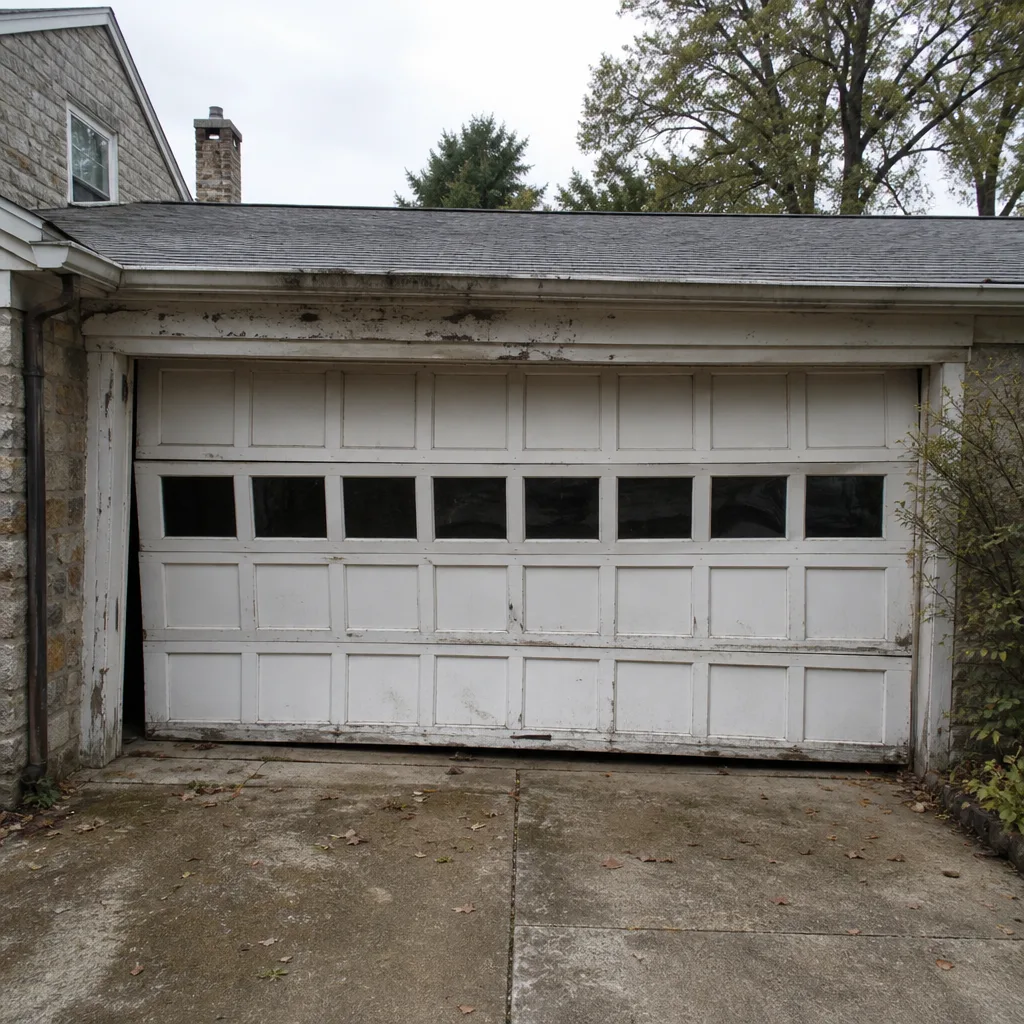 Before
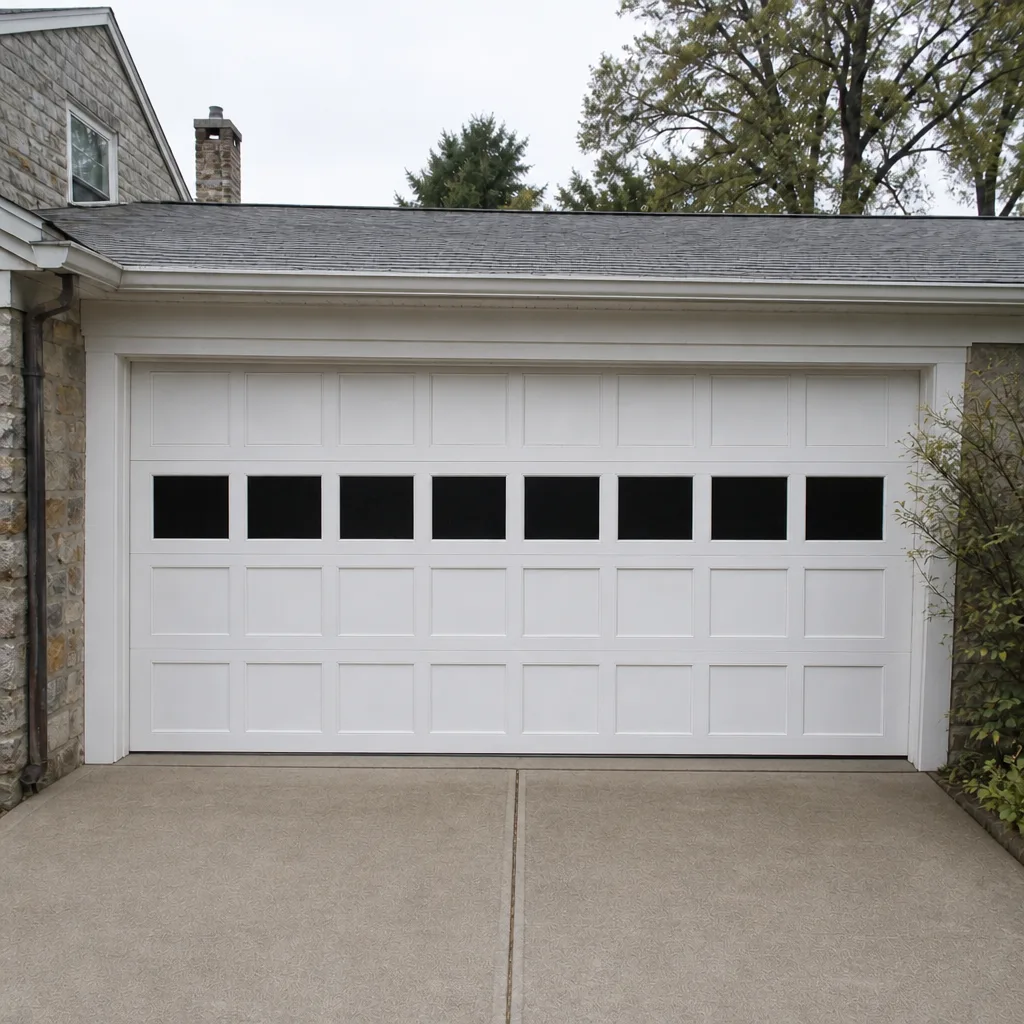 After
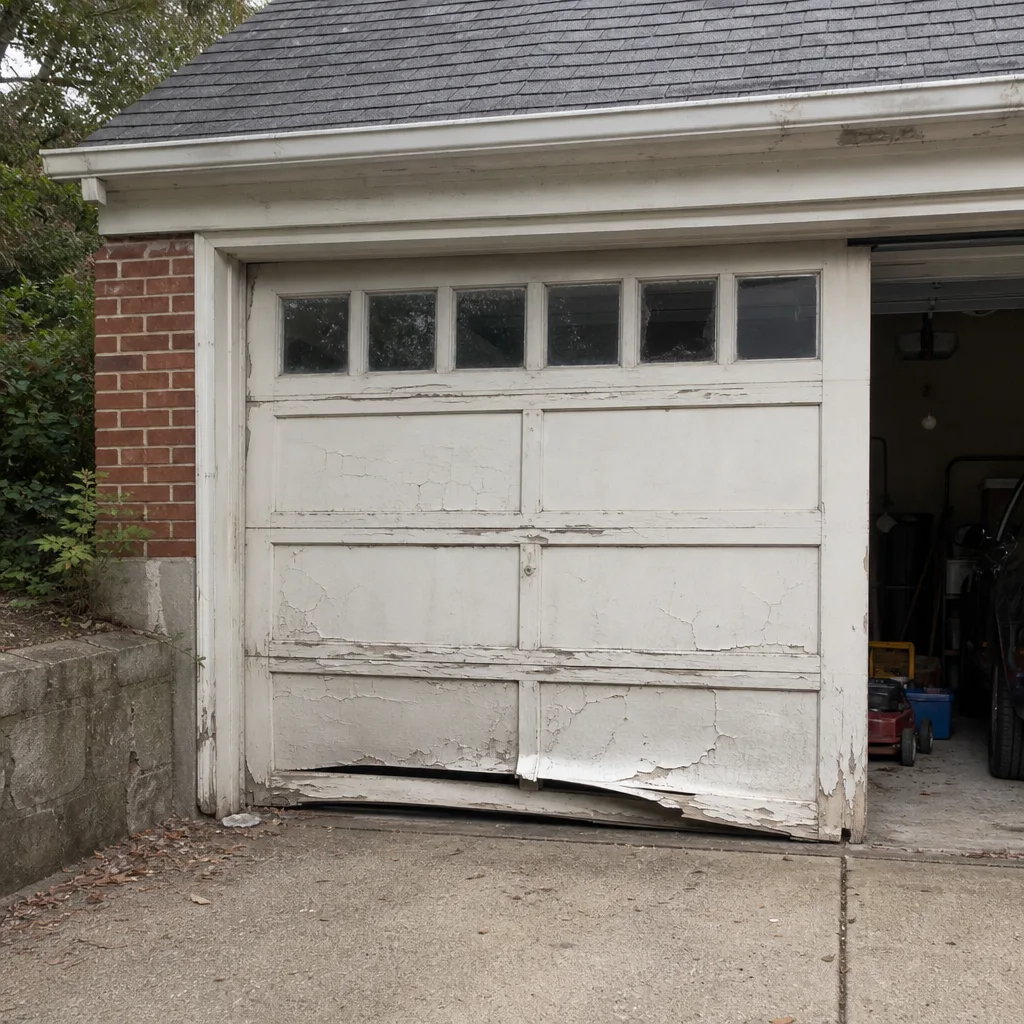 Before
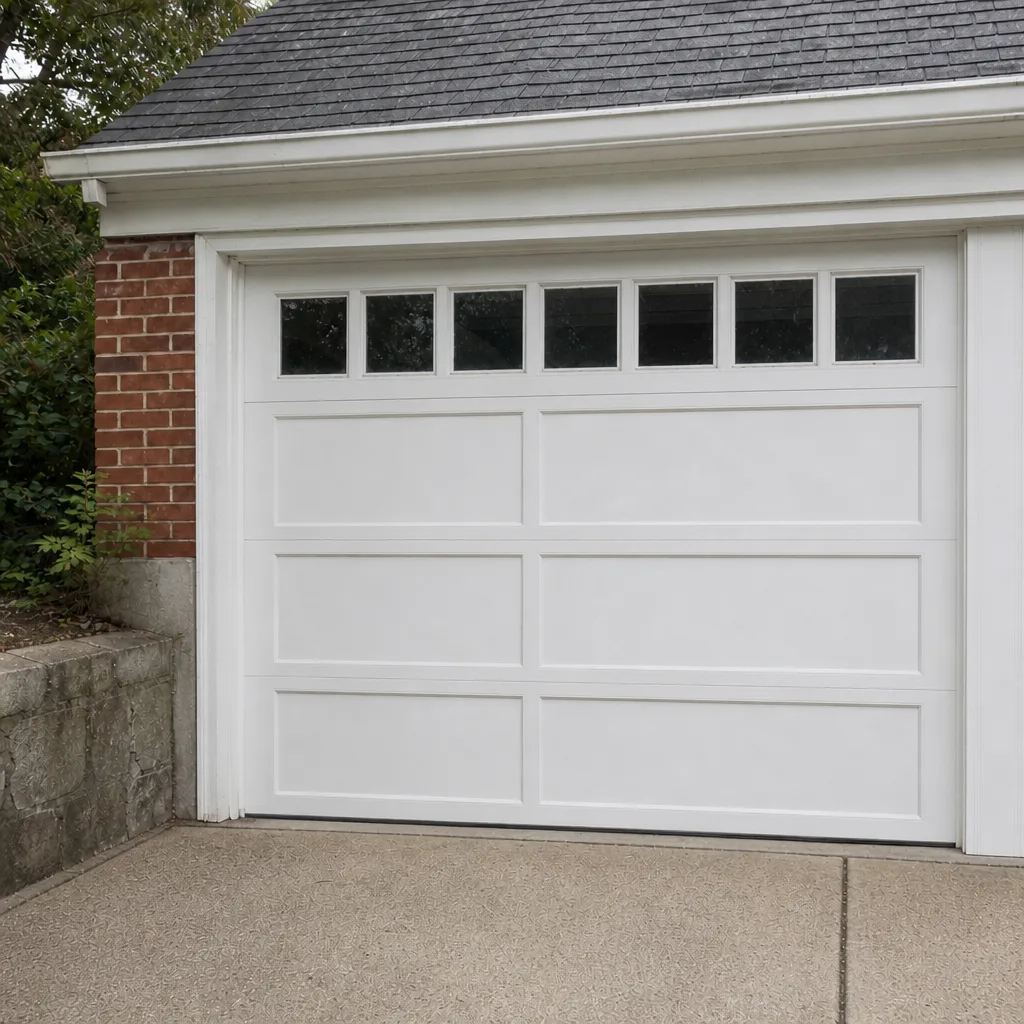 After
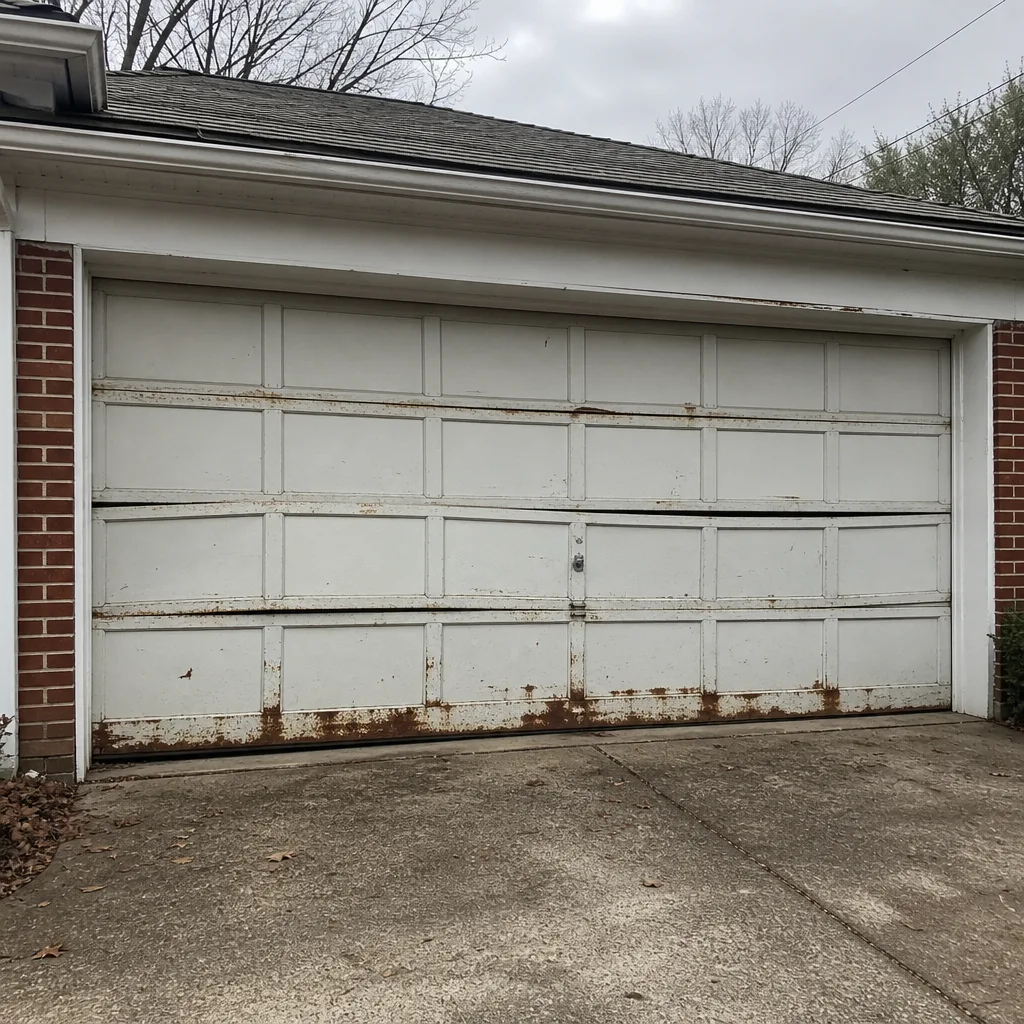 Before
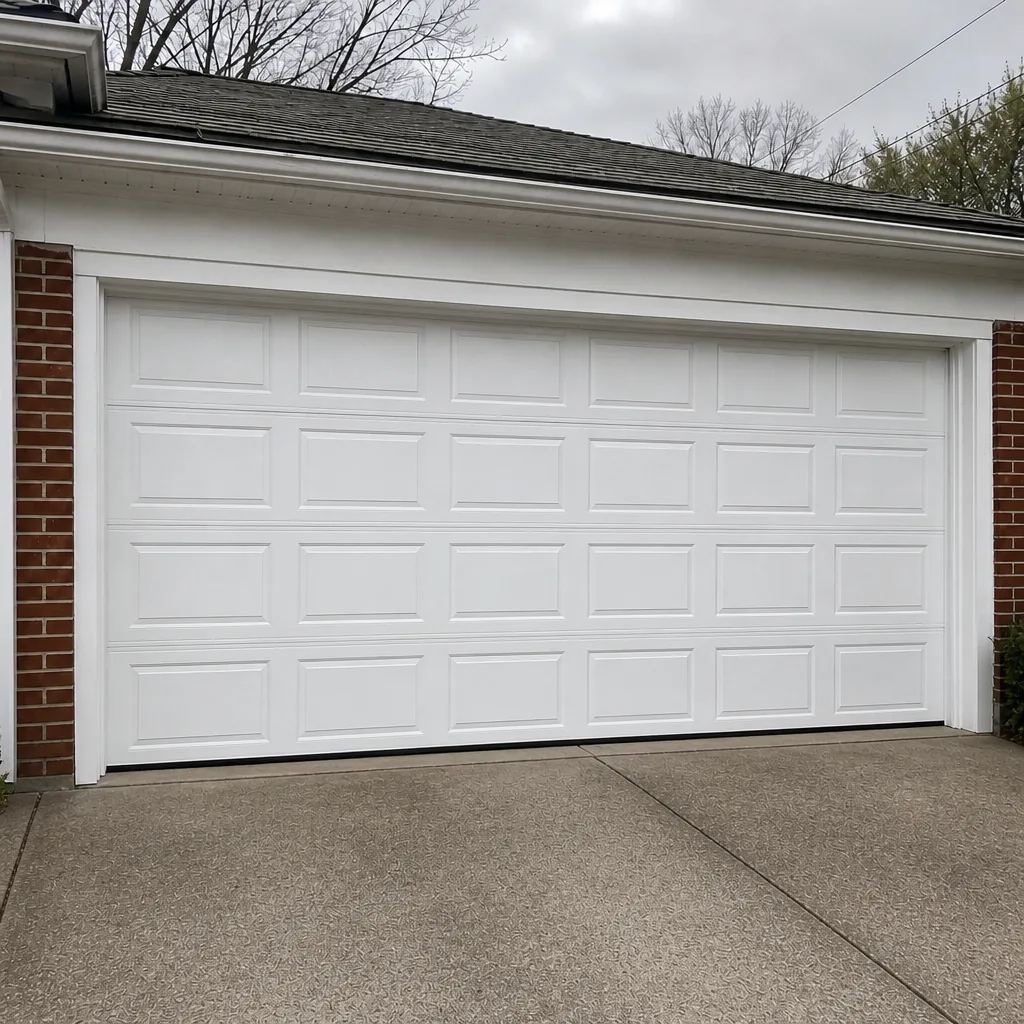 After
Common Mistakes to Avoid
- Adjusting spring tension yourself. Torsion springs are the most dangerous part of a garage door. They’re under extreme tension and a wrong move can cause serious injury. Leave them to trained technicians with the right tools.
- Cranking up the opener’s force to fight a binding door. A door that binds is telling you something mechanical is off. Raising the force to push through it masks the problem and stresses the opener’s gear, motor, and your cables.
- Ignoring a frayed cable until winter. In DC’s humid summers, cables degrade quietly. A frayed cable that hasn’t snapped yet is already a hazard. Fix it in summer, not on the first cold morning.
- Skipping the auto-reverse test. It’s the single most important safety check on any opener, and it’s easy to run once a season. A door that doesn’t reverse on contact is a genuine risk to people and pets.
- Using the wrong lubricant. Household oil and heavy grease gum up in Tenleytown’s cold snaps. Use a garage-door-safe product on rollers and hinges, or you’ll trade one problem for another.
- Treating alley and street doors the same. An alley-facing door in a leafy Tenleytown lane needs track and seal cleaning far more often than a sunlit street-facing door. Plan cleaning around where the door actually is.
- Waiting for a failure to book service. The cheapest repair is the one that happens before a failure. A pre-freeze check in October costs far less than the emergency call in January.
When to Call a Professional
Some seasonal checks are yours to run: cleaning tracks, testing the auto-reverse, wiping down the door, clearing debris from an alley-facing threshold. Others aren’t. Call a technician when a door binds, when a spring looks broken or a door won’t hold its balance, when a cable shows fray or rust, when the opener reverses unpredictably even after you’ve cleaned the sensors, or when the door comes off its track. Those are the jobs where trained hands and calibrated tools matter, and where getting it wrong is a safety issue rather than a convenience one.
Garage Door Repair Tenleytown offers free estimates in Tenleytown. Our technicians have up to 13 years of experience, work across the major brands including LiftMaster, Chamberlain, Genie, Clopay, Amarr, Wayne Dalton, Craftsman, and Raynor, and diagnose your door first so the recommendation fits the door rather than a stock part. Call (855) 658-4168. We answer 24/7. Fast dispatch from 7am to 7pm, Sunday through Friday. The price is quoted and agreed before any work starts, and the written estimate is the price you pay.
Frequently Asked Questions
Once a year, and ideally in October or November, is the standard recommendation for a Tenleytown garage door. That timing catches bearing, cable, and balance problems before the first freeze, which is when cold-weather failures show up. A door that gets heavy use or sits in an alley with trees may need a check twice a year.
Cold contracts metal, stiffens lubricant, and puts extra tension on cables and springs, so marginal parts that worked all summer finally fail on the coldest mornings. The summer humidity is usually what weakened them in the first place. A door that fails repeatedly in cold weather needs a service call, not more tries at the button.
Spring repair is priced per job by a written estimate rather than a fixed flat rate, because the cost depends on the spring type, the door’s weight, and whether it’s one spring or a matched pair that should be replaced together. Call (855) 658-4168 for a free estimate. Estimates are free and there’s no surprise invoice after the quote.
Yes, a door stuck open is an emergency situation and our same-day service is built for it. Broken springs, doors off-track, and opener failures that leave your home exposed all get priority. Call (855) 658-4168. We answer 24/7, and fast dispatch runs from 7am to 7pm, Sunday through Friday.
Sometimes, but it treats the symptom rather than the cause. A binding door is usually fighting its track, a swelling panel, or failing hardware, and a travel-limit adjustment only briefly hides the problem. The better move is to have the door diagnosed. An opener repair that addresses the actual cause lasts, and one that just recalibrates a fighting door doesn’t.
If a door needs a repair every year, replacement is often the smarter long-term choice, especially if the panels are warped, the hardware is consistently failing, or the door is wood and has absorbed years of DC humidity. A specialist can assess the door and tell you honestly whether repair or replacement makes more sense for your specific setup.
The Bottom Line
Tenleytown garage doors fail on a seasonal clock. Summer humidity quietly weakens cables and swells wood, autumn is your last chance to catch those problems before the cold turns them into emergencies, winter exposes what you missed, and spring shows you what winter did to your concrete and tracks. Run the pre-freeze checklist in fall, inspect the cables and seals in summer, and watch the door’s behavior every time the seasons turn. For anything involving springs, cables, or balance, call a specialist. The work belongs in trained hands, and the written estimate is the price you pay.
Call (855) 658-4168 for a free estimate. We answer 24/7. Fast dispatch from 7am to 7pm, Sunday through Friday.
Written by the team at Garage Door Repair Tenleytown.