
Last updated November 21, 2026
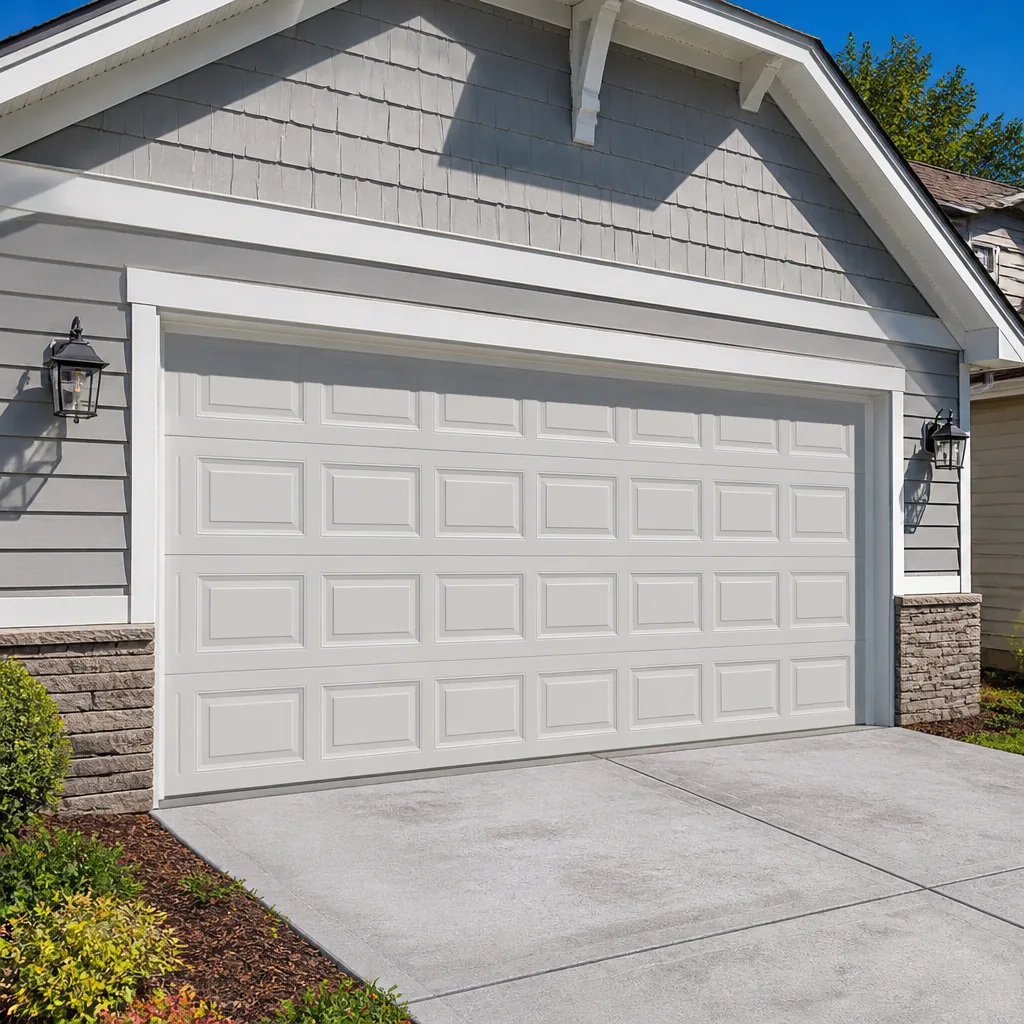 Raised-panel steel
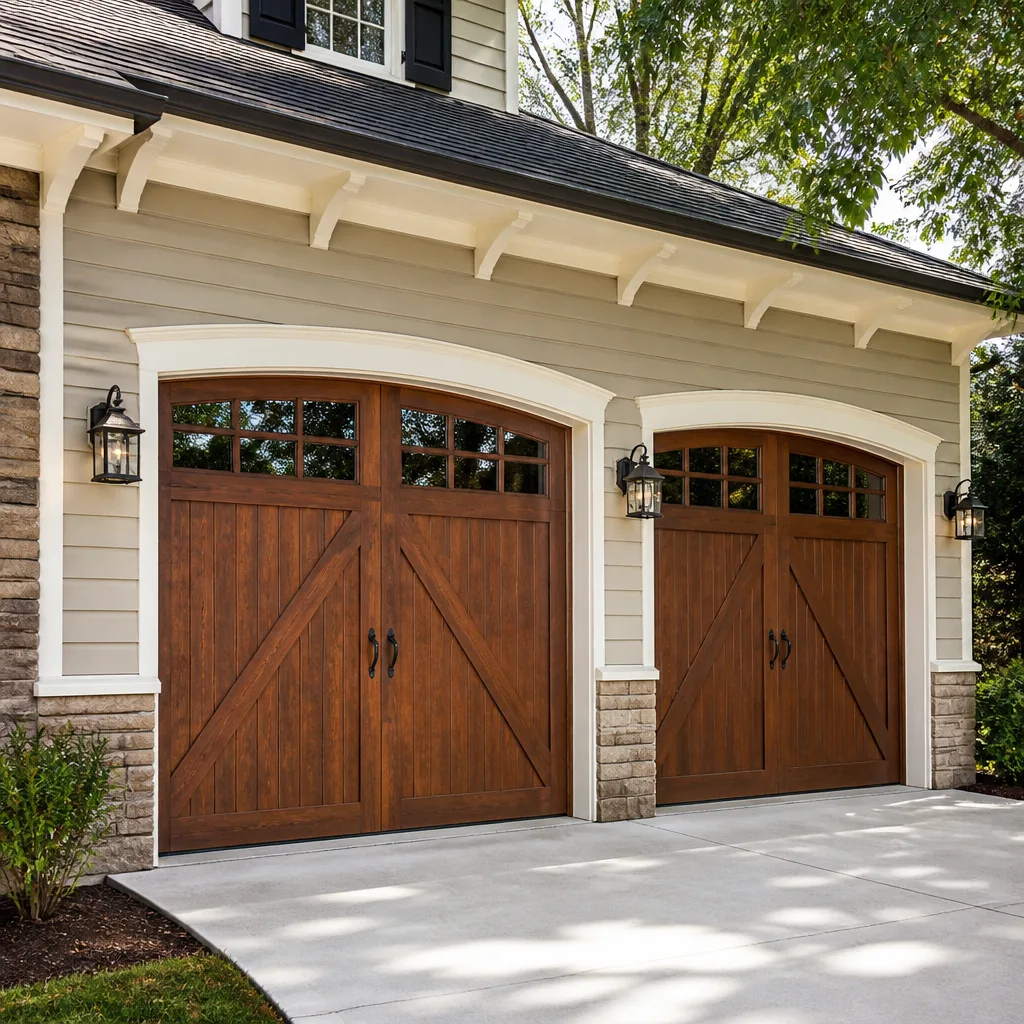 Carriage house
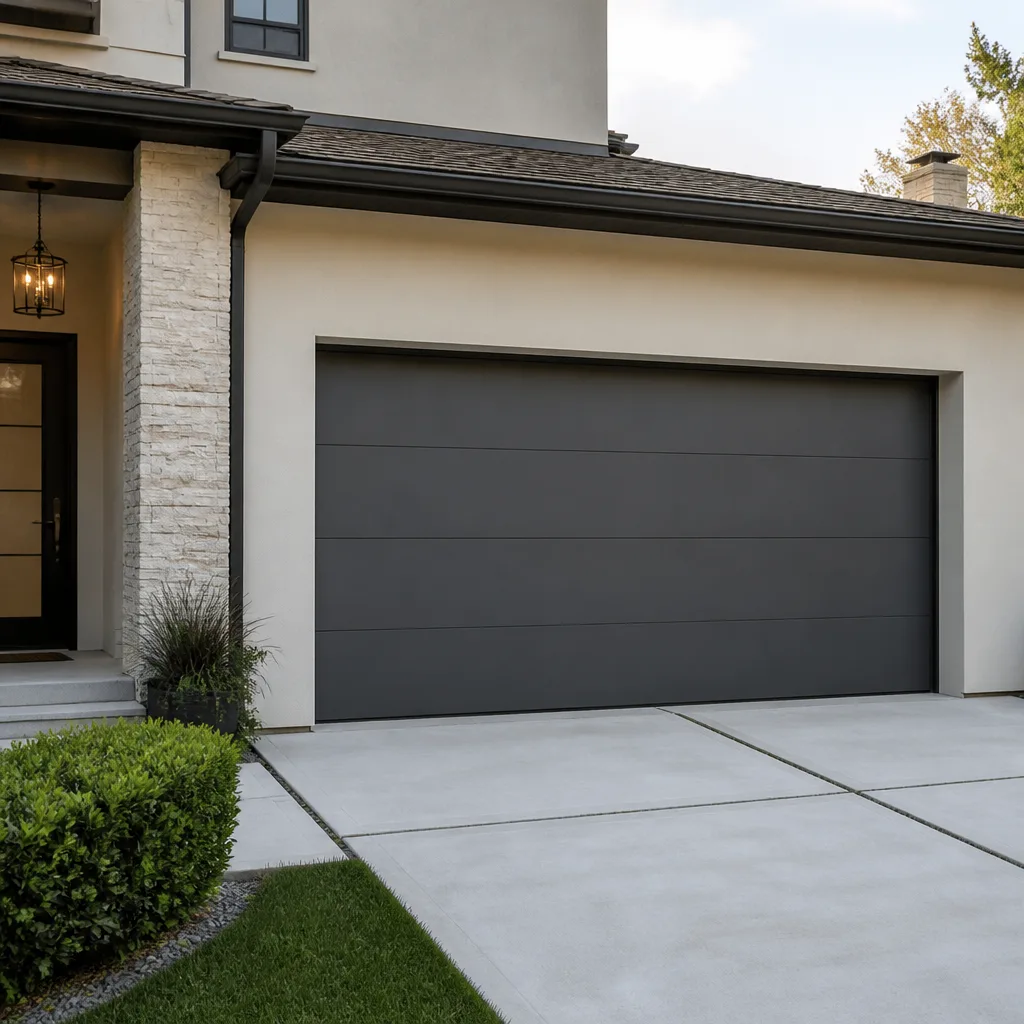 Modern flush
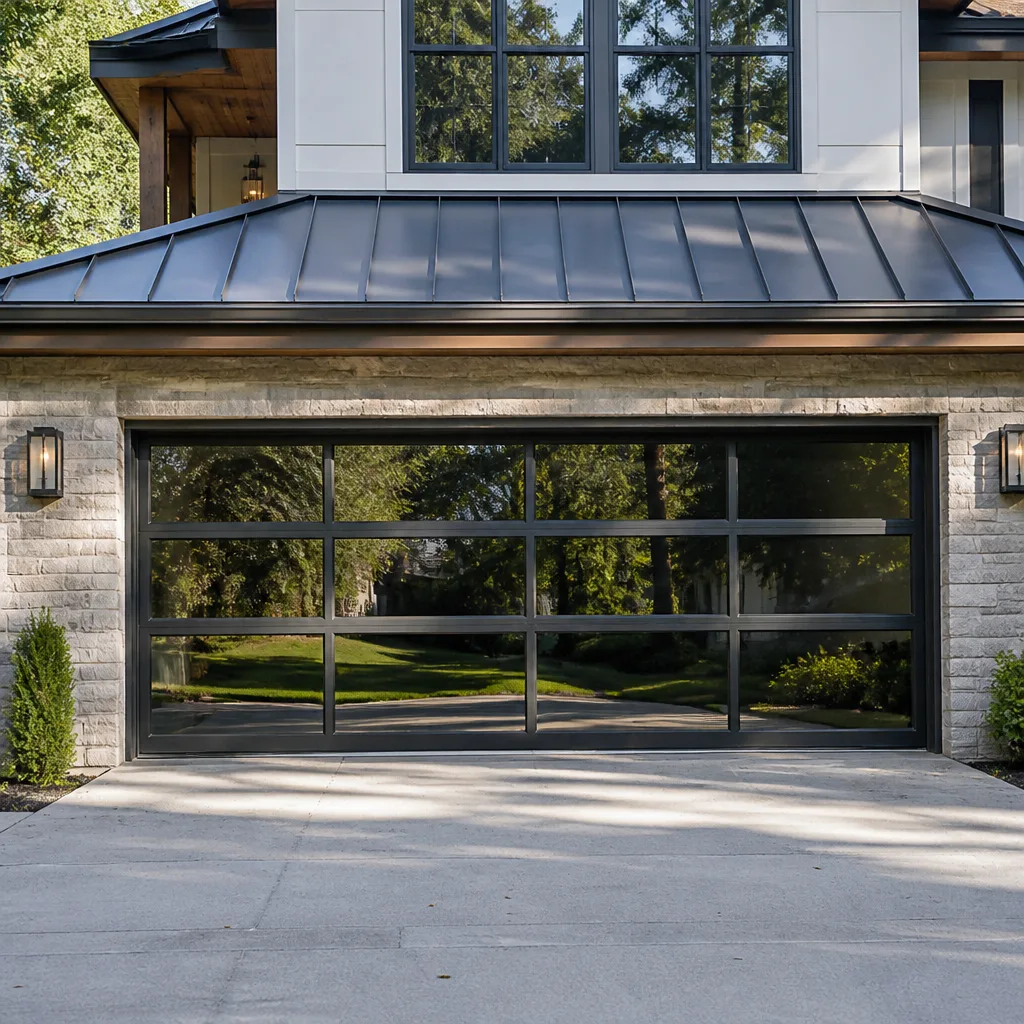 Full-view glass
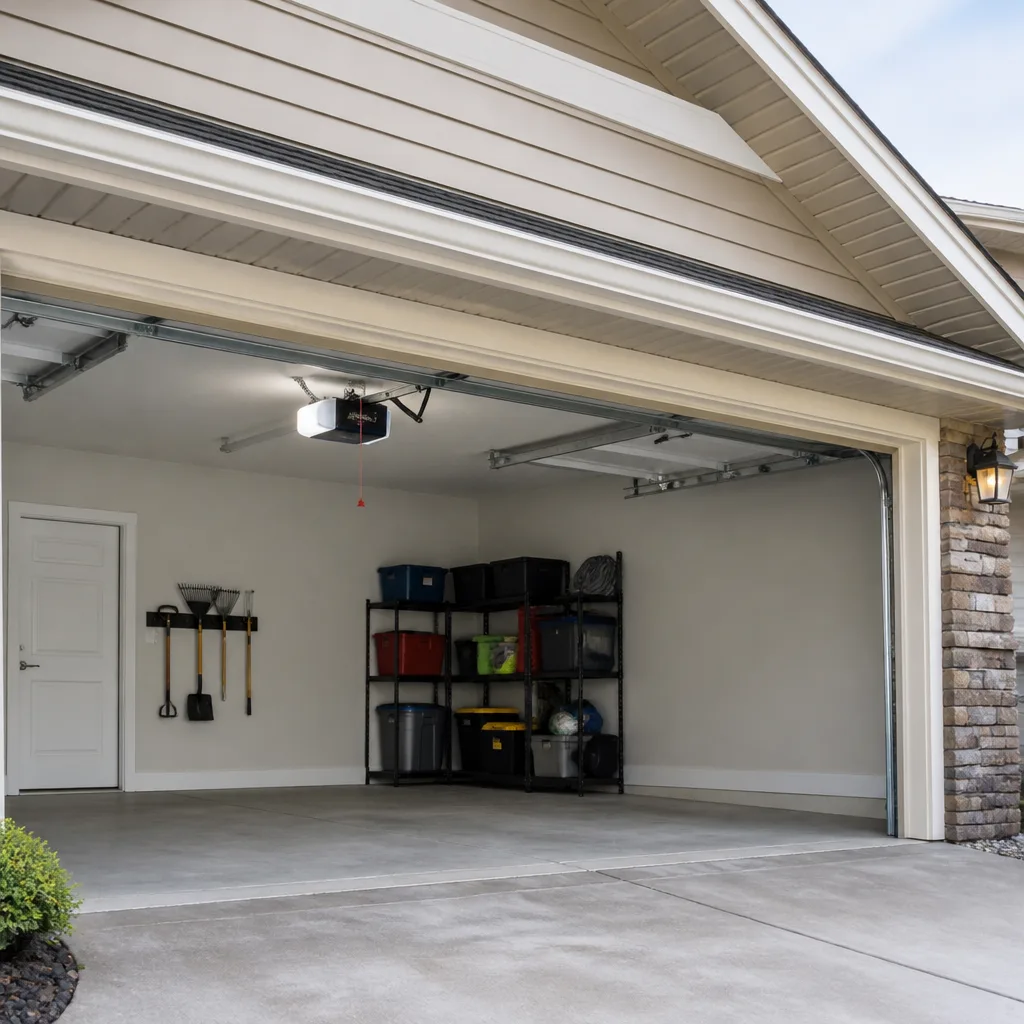 LiftMaster openers
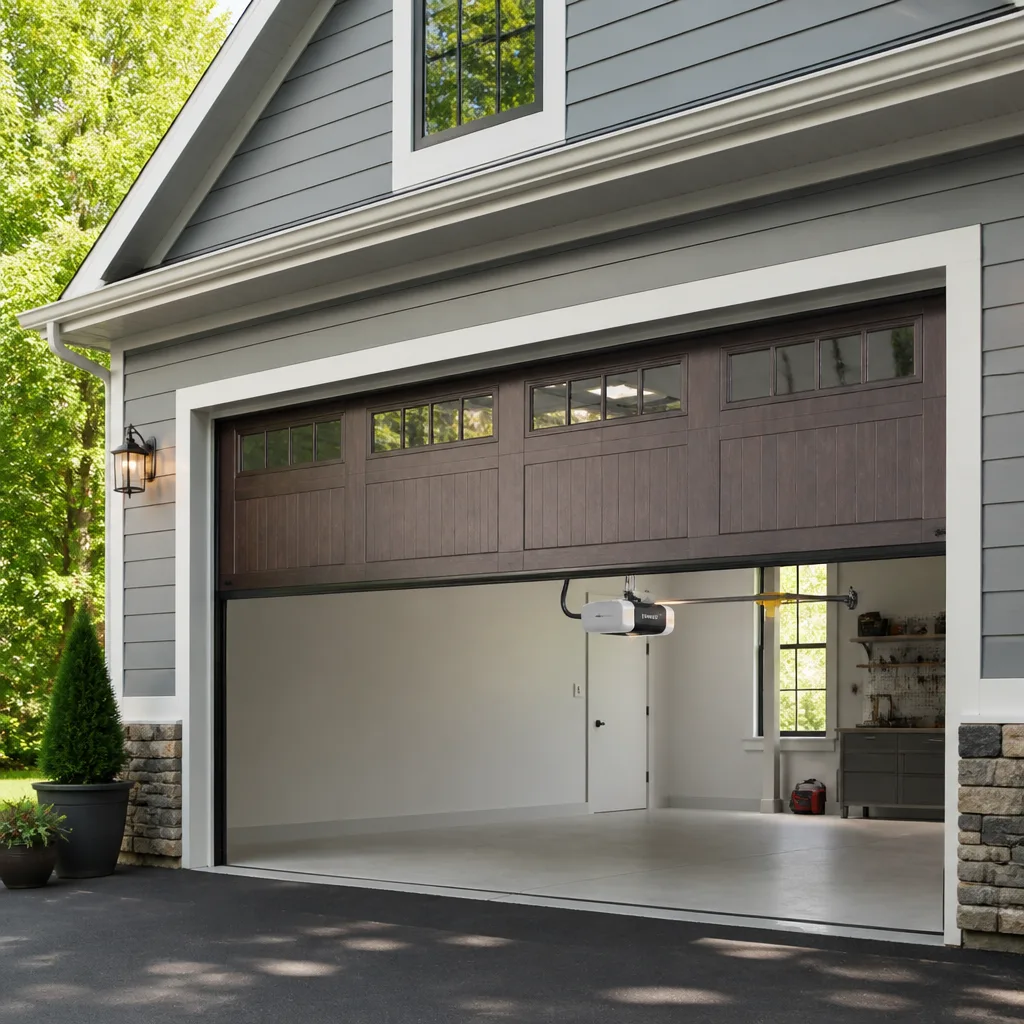 Chamberlain openers
Full 25-point door and opener safety check with every visit - springs, cables, rollers, tracks, and your LiftMaster or Chamberlain opener included
You get a price before we start. It does not change when the pro arrives.
Get your free estimateGarage Door Repair Maintenance Checklist for Tenleytown Homeowners
The call that comes in most often on the coldest mornings of the year is for a door that won’t lift, and it usually traces back to something small a homeowner meant to check months earlier. Most maintenance advice treats every garage the same way, which is why it fails here. Tenleytown garages sit behind alleys that hold grit, face freeze-thaw swings that work fasteners loose, and deal with summer humidity that wears on weather seals. This guide is the checklist we wish every homeowner had, timed to those conditions rather than to a generic calendar. You’ll learn what to inspect, how to test it safely, and what to document.
Styles & brands we work with
- Raised-panel steel
- Carriage house
- Modern flush
- Full-view glass
- LiftMaster openers
- Chamberlain openers
Quick Answer
A good maintenance checklist for a Tenleytown garage covers four things: hardware that grit and freeze-thaw cycles loosen, spring tension tested before cold snaps, weatherstripping inspected after big temperature swings rather than by the month, and the opener’s force-sensitivity setting. Do a short inspection every season and a fuller one before winter. Photograph the door and its components once a year and keep the images with your home records. Anything involving springs, cables or the opener’s internal wiring belongs to a trained technician, not a weekend project.
Table of Contents
- Why Tenleytown Garages Need Their Own Checklist
- Fasteners and Hinges: The Grit Problem
- Testing Spring Tension Before a Cold Snap
- Weatherstripping and the Freeze-Thaw Cycle
- Opener Force-Sensitivity Calibration
- Tracks, Rollers and Balance Testing
- What to Photograph and Document Every Year
- A Seasonal Schedule for Tenleytown
- Common Mistakes to Avoid
- When to Call a Professional
- Frequently Asked Questions
- The Bottom Line
Why Tenleytown Garages Need Their Own Checklist
Tenleytown sits on high ground in Northwest DC, and the garages here live with a set of conditions that a one-size-fits-all checklist never accounts for. The neighborhood’s alleys collect fine grit from the streets, and that grit doesn’t stay on the ground. Every time a door rolls up and down, it grinds that dust into hinges, rollers and tracks. Multiply that by the freeze-thaw rhythm of a DC winter, where temperatures cross back and forth over freezing often enough that water gets into crevices, expands, and works bolts loose, and you have doors that need more attention than the standard twice-a-year lubrication advice suggests.
Summer adds its own pressure. Humidity swells wooden door frames and softens weather seals, so the gaps you checked in spring can look different by August. Homes here range from older brick houses near the Tenleytown-AU Metro station to newer construction along Wisconsin Avenue and the side streets toward Fort Reno. The older doors often carry original hardware that’s been through many winters, and the newer ones use openers like LiftMaster or Chamberlain units with safety sensors that need their own inspection. Neither type benefits from a generic calendar.
What follows is organized around those pressures. We’ll explain what each task actually checks, how to test it safely, and where the line sits between a homeowner’s four-minute inspection and work that should go to a technician with calibrated tools. Our technicians have up to 13 years of experience, and the patterns below come straight from what they find on Tenleytown doors.
Fasteners and Hinges: The Grit Problem
The hinges and fasteners on a Tenleytown door take more abuse than most homeowners realize, because alley-level grit does double duty. It abrades the moving parts, and in winter, salt runoff from the street splashes up and dries into a mildly corrosive film on anything low to the ground. That combination loosens bolts and stiffens hinges faster than on a door set back from the alley.
Here’s how a safe inspection goes, working top to bottom:
- Check every hinge bolt by hand. With the door closed, grip each hinge and try to rock it. A hinge that moves independently of the panel has a loose fastener. Snug it with the correct wrench; don’t overtighten, since stripped threads in an older door panel cause bigger problems than a loose bolt.
- Look at the bottom bracket and roller brackets. These take the most grit. Look for rust blooming at the bolt heads, a sign that salt has been sitting there.
- Wipe grit off the hinge knuckles with a dry cloth before lubricating. Lubricant applied over grit turns into a grinding paste. Clean first, then apply a light coat of a garage-door-rated lubricant.
- Inspect the track bolts that hold the vertical and horizontal sections together. These loosen with every freeze-thaw cycle as the metal expands and contracts against the fasteners.
- Check the door’s mounting hardware where it meets the frame. If you can wiggle it by hand, note it for a professional. The mounting points carry the whole door’s weight.
None of this involves springs or cables, which stay off-limits. It’s the low-risk, high-return layer of maintenance: a few minutes with a wrench and a rag, done before grit and salt have a whole season to work. When a fastener is loose enough that the hinge is pulling away from the panel, that’s a repair, and the team can handle it. Learn more about what a proper garage door repair visit covers.
Testing Spring Tension Before a Cold Snap
Springs are the single most dangerous component on a garage door, and cold weather raises the stakes. So let’s be clear about the boundary: you can test whether your door is balanced and the springs are working, and you should. You should not touch, adjust or repair a torsion or extension spring yourself. A wound torsion spring stores enormous force, and the tools that safely handle it are calibrated for the job. A snap under that force is a serious injury, which is why the test below checks function only.
How to test door balance safely:
- With the door closed, pull the opener’s manual release cord so the door runs free of the motor. Do this with the door in the down position so nothing swings.
- Lift the door by hand to about waist height and let go. A properly balanced door holds its position. If it sags back down or rises on its own, the spring tension is out of balance.
- Listen. A light click or tick when the door moves isn’t unusual, but a loud pop, a bang or a visible gap in the coil means stop. Keep the door down and call a professional.
- Reconnect the opener only after confirming the door is balanced and moving freely.
Why time this to October and November? A spring that’s been carrying the right tension through a mild fall can fail on the first hard freeze if it’s already near the end of its life, and cold makes the metal more brittle. Checking balance before the cold snaps gives you a heads-up instead of a surprise. Torsion and extension spring work is the most dangerous category of garage maintenance, so it always goes to trained hands. When a spring is the problem, our Garage Door Repair Tenleytown team handles both types across all the major manufacturers. A single spring repair is quoted per spring, and a matched pair is usually replaced together, so the pair is priced accordingly.
Weatherstripping and the Freeze-Thaw Cycle
Most checklists tell you to look at the weather seal “twice a year.” In Tenleytown, the calendar matters less than the weather. The bottom seal and the side jambs take the brunt of the freeze-thaw cycle: water pools at the door’s base, freezes overnight, and pushes at the rubber or vinyl. The swelling and shrinking that follows is what cracks seals and lets cold air and moisture in.
Inspect the seal after any stretch where temperatures swing above and below freezing, and again after a humid summer spell. Here’s what you’re looking for:
- A flat or torn bottom seal. Run your hand along the bottom edge with the door closed. It should press evenly against the floor. Gaps at the corners let in both cold air and pests.
- Cracks at the seal’s folds. Freeze-thaw cycles crack the material at the hinges where it flexes most. A cracked seal is doing less than half its job.
- Wet spots along the interior base after rain. This points to a seal that isn’t making contact, and it can lead to water sitting on the garage floor, where it damages stored items and can reach the door’s lower hardware.
- Side and top seals pulling away. The jamb seals should sit flush against the door’s edges. Gaps there are a common winter draft source.
- A hardened or brittle feel. Seal material that’s turned stiff from years of sun and temperature swings won’t conform to the floor anymore and needs replacing.
Replacing a bottom seal is a reasonable homeowner task, but only if you can do it without forcing the door or the track. If the seal sits behind a bracket that’s rusted in place from winter salt, or if the door is out of balance, that’s when to hand it to a technician. A door that seals evenly also runs with less stress on the opener and springs, so this task pays off twice.
Opener Force-Sensitivity Calibration
This is the step most home checklists skip entirely, and it’s the one that saves door frames. Your opener has a force-sensitivity setting that tells it how much resistance to expect before it reverses. Set too high, and the opener keeps pushing through an obstruction, which can bend a panel, crack a frame, or damage the door’s structure. Set too low, and the door reverses for no reason. The correct setting lets the door close fully but reverses the moment it meets real resistance.
If you own a newer LiftMaster, Chamberlain or Genie unit, the manual explains how to test the reversal setting with a small, soft object placed in the door’s path. Here’s the safe way to approach it:
- Read your opener’s manual for the reversal test procedure specific to your model. Every brand’s test differs slightly.
- Test with a soft object that won’t damage the door, and confirm the door reverses when it contacts it.
- Check the safety sensors at the bottom of the tracks. Their lenses should be clean and aligned, and the indicator light on each should show a solid, not blinking, signal. Misaligned sensors are one of the most common reasons a door won’t close.
- If a door reverses or stops short of the floor, the force setting or the door’s balance needs attention. Older doors with wooden frames are especially prone to damage from a force setting that’s too high.
Force calibration also protects the opener’s motor and gears, which wear out faster when they’re fighting an obstruction. If you’re unsure how to test your unit, or you want a professional to check it, our garage door opener repair service covers every major brand, from symptom to fix. An opener that behaves correctly today is far cheaper to live with than one that forces its way through a problem until something breaks.
Tracks, Rollers and Balance Testing
The track is the door’s guide rail, and in a Tenleytown garage it collects two things that wear rollers fast: grit from the alley and moisture from freeze-thaw. Worn rollers and misaligned tracks make a door noisy and put extra strain on the opener, which then works harder than it should.
Start with the tracks. Run your hand along the vertical and horizontal sections; they should be smooth and parallel. Any bent spot, especially one near a bracket, is a sign the door has been catching. Clean the track channels with a dry cloth and a light amount of lubricant, and avoid spraying lubricant on the wheels themselves in the wrong type; use a product meant for garage doors. Then, do a balance test, which is also how you monitor track wear:
- Release the door from the opener at the down position.
- Raise it to halfway and let go. It should stay put. A door that drifts is out of balance, and drifting is often the first sign that a roller, track or spring is worn.
- Rollers: look for flat spots, cracks or a gritty feel. Worn nylon rollers can be replaced, but a door that’s badly out of alignment needs a technician.
- Cables: inspect the cables with your eyes only. Fraying, kinks or slack mean stop and call. Never touch or reposition a cable.
A noisy door is often a warning shot. Fixing rollers and cleaning tracks now prevents the kind of track damage that requires a full garage door installation later. If the door has reached that point, we work through the full lifecycle, from repair right up to a new door.
What to Photograph and Document Every Year
This is the part almost no one does, and it’s the part that saves money when a warranty claim or insurance question comes up. Taking a few photos and notes once a year gives you a dated record of the door’s condition, which is useful when you’re trying to establish what’s normal wear and what’s damage. Without it, a dispute over whether a component failed on its own or was hit is much harder to resolve.
Here’s what to capture each year:
- The whole door, closed and open, showing the panels, windows and frame. A dated photo establishes the door’s appearance from year to year.
- Each spring, if visible, with a note on whether it’s torsion or extension. Note any rust or gap in the coil.
- The bottom seal and side seals, so a later tear or crack is clearly a change rather than pre-existing.
- The opener’s model and serial plate. A close-up of the label prevents confusion if you ever need service under a manufacturer’s parts warranty.
- The safety sensor lights, with a note on whether they’re solid or blinking.
- A short written log of any repairs, dates and what was done. This is your maintenance history.
Tenleytown homeowners often deal with older doors, and a record of maintenance is exactly what insurers and warranty providers ask for. Pair the photos with your service receipts. If you’ve had a technician out, keep that record. If you’ve done your own seasonal checks, log the date and what you inspected. It’s a small habit, and it makes the next conversation about the door much simpler. For the repair portion of your log, you can also ask us for a written record of the work we complete.
A Seasonal Schedule for Tenleytown
Rather than a rigid twice-a-year rule, build the schedule around Tenleytown’s weather. Here’s how the tasks above fit a year:
- Early fall (October): test spring balance before cold sets in, check every hinge and fastener while grit is dry and easy to clear, and inspect the bottom seal. This is the four-minute inspection that prevents the coldest-morning emergency, and it’s the easiest time of year to catch problems before winter tests them.
- Late fall (November): recheck weather seals after the first hard freezes, confirm the opener’s force setting and safety sensors, and clear grit from tracks. Photograph the door and log the year.
- Winter: after any big freeze-thaw stretch, walk the door’s base and look for wet interior spots, then recheck fasteners for loosening. Keep the lower hardware clear of salt residue.
- Spring (March): a full check of tracks, rollers and balance, since winter is the season that bends things. Replace the bottom seal if it cracked over the winter.
- Summer (July): inspect for humidity swelling in the frame and seals, and listen for new noise. Check the opener’s force setting again if the door does anything unusual.
This schedule is a starting point, not a law. Doors on high-traffic garages or set against a gritty alley need more frequent fastener checks, and older doors warrant a closer look at hinges and tracks every time. The point is to time the work to what the weather is doing, not to a date on a calendar. A door that gets a real inspection before each risk season tends to stay working, and the technician’s visit, if it comes, is for the spring or the opener rather than an emergency.
Common Mistakes to Avoid
- Lubricating over grit. Spraying lubricant on dusty hinges traps grit and turns it into a grinding paste. Wipe the parts clean first, then apply a light coat.
- Adjusting or touching a spring. This is the biggest mistake a homeowner can make. Springs and cables are trained-professional work; test balance instead, and call if the door sags or pops.
- Ignoring the opener’s force setting. A force setting that’s too high lets the motor push through obstacles and can crack door frames. Test the reversal per your manual, and don’t just set the door to close and forget it.
- Going by the calendar instead of the weather. Checking seals in spring and skipping them for winter is backwards in Tenleytown. Inspect after freeze-thaw stretches, not just twice a year.
- Skipping the documentation. Without dated photos and a repair log, warranty and insurance questions get harder to resolve. Photograph the door once a year and keep receipts.
- Overlooking the alley grit at the base. Fasteners and hinges low on the door collect grit and salt. Wipe them regularly; it’s the difference between a snug door and one that rattles and loosens.
- Treating a noisy door as normal. A grinding roller or a rattle is a warning. Getting it checked early avoids a track repair or a full door replacement down the line.
When to Call a Professional
Most of the checklist above is homeowner territory: wipe, check, test, photograph. Some of it isn’t. Call a professional the moment you find a sagging or popped spring, a frayed or slack cable, or a door that won’t stay balanced after you’ve released it from the opener. A track that’s bent or a door that comes off its rollers is a safe, immediate call, since a door that leaves its track can fall. Opener gear or wiring issues, and any damage from a hard freeze that you can’t trace, are also jobs for trained hands. Our technicians have up to 13 years of experience, and they work on all the major brands. We answer 24/7, and for urgent cases we offer same-day and emergency service, because a door that’s off-track or spring-broken is a security problem as well as a convenience one. Garage Door Repair Tenleytown offers free estimates in Tenleytown. Call (855) 658-4168. We answer 24/7. Fast dispatch from 7am to 7pm, Sunday through Friday.
Frequently Asked Questions
Do a short inspection every season and a fuller check before winter and before spring. Tenleytown’s freeze-thaw cycles and alley grit mean fasteners and seals need checking more often than a generic twice-a-year routine suggests. Time the seal and spring checks to temperature swings, not just to a date on the calendar. For an exact quote on any repair the inspection turns up, call (855) 658-4168. Estimates are free.
You can test door balance safely, but never touch or adjust the springs themselves. Release the door from the opener in the down position and check whether it holds halfway when you lift and release it. A door that sags, rises on its own, or makes a popping sound needs a technician. Never try to repair a torsion or extension spring, since they store dangerous force. Call (855) 658-4168 for a free estimate if your door fails the balance test.
Cold weather makes metal more brittle and stresses the whole system: springs near the end of their life can fail, hinges loosen, and freeze-thaw cycles crack weather seals. That’s why testing balance and checking fasteners in October pays off. If a door fails in the cold, don’t force it. Call (855) 658-4168. We answer 24/7. Fast dispatch from 7am to 7pm, Sunday through Friday.
A technician checks spring tension, cables, tracks, rollers, hinges, fasteners, the opener’s force setting and the safety sensors, and inspects the weather seals. They’ll also flag anything near failure so you can plan the repair rather than meet it as an emergency. If you’ve noticed a sagging door or a noisy roller, call (855) 658-4168 to set up a free estimate.
Permit rules for a garage door replacement vary, so ask DC’s building department about your specific project before scheduling the work. The answer can depend on the door type and whether the opening or structure changes. If you’re planning a replacement, our team can walk through what’s involved and provide a free written estimate. Call (855) 658-4168.
Our technicians are trained across the major platforms, including Raynor, LiftMaster, Chamberlain and Genie, along with the other leading manufacturers. That means the recommendation is based on what your door actually needs, not on a single brand’s parts. If you’re unsure of your door or opener model, a technician can identify it during a free estimate. Call (855) 658-4168.
The Bottom Line
A maintenance checklist works when it matches the garage it’s written for. In Tenleytown, that means checking fasteners for alley grit and salt, testing door balance before cold snaps, inspecting weather seals after freeze-thaw swings, and calibrating the opener’s force setting so it doesn’t damage older frames. Photograph the door and keep a short repair log; it makes warranty and insurance questions far easier. Do the safe checks yourself, and hand anything near a spring, cable or the opener’s wiring to a technician. Our team is here for the repairs and the maintenance, with free estimates. Call (855) 658-4168. We answer 24/7. Fast dispatch from 7am to 7pm, Sunday through Friday.
Written by the team at Garage Door Repair Tenleytown.
See the difference
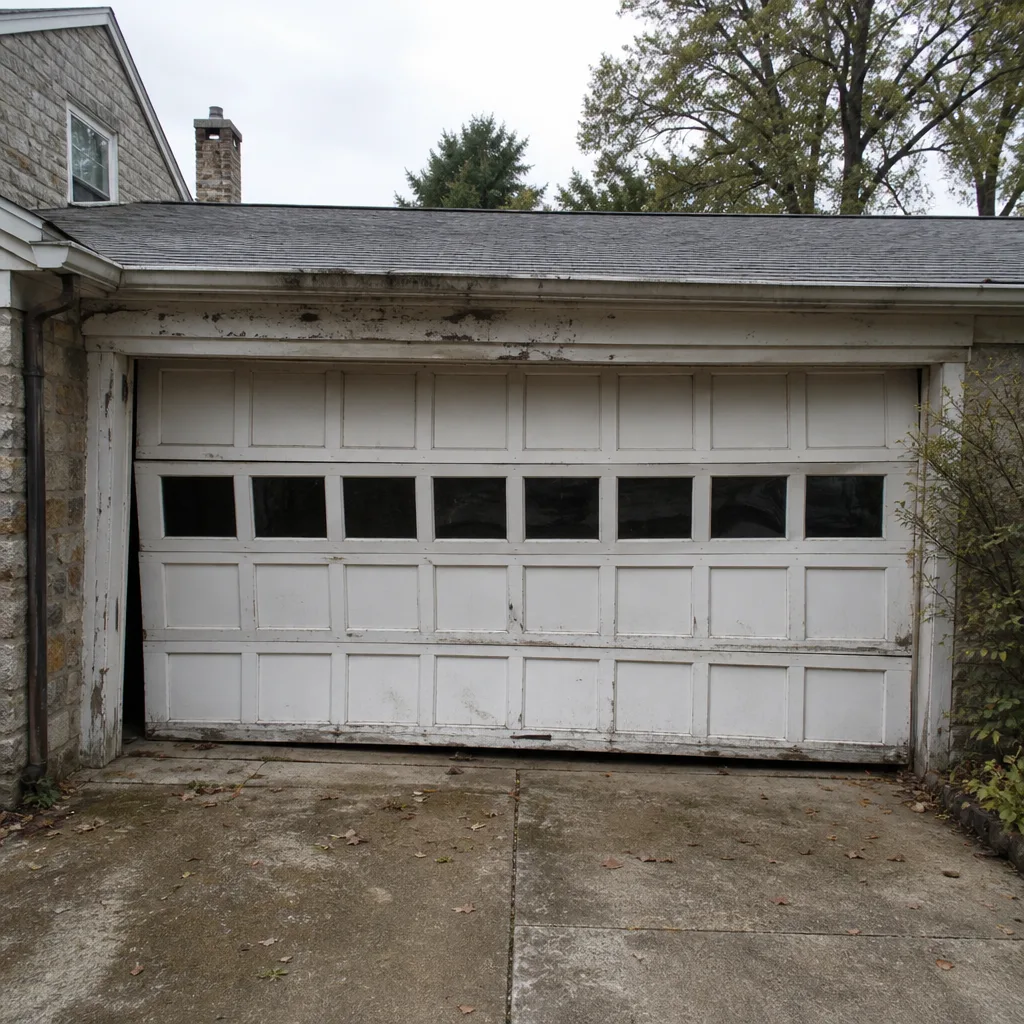 Before
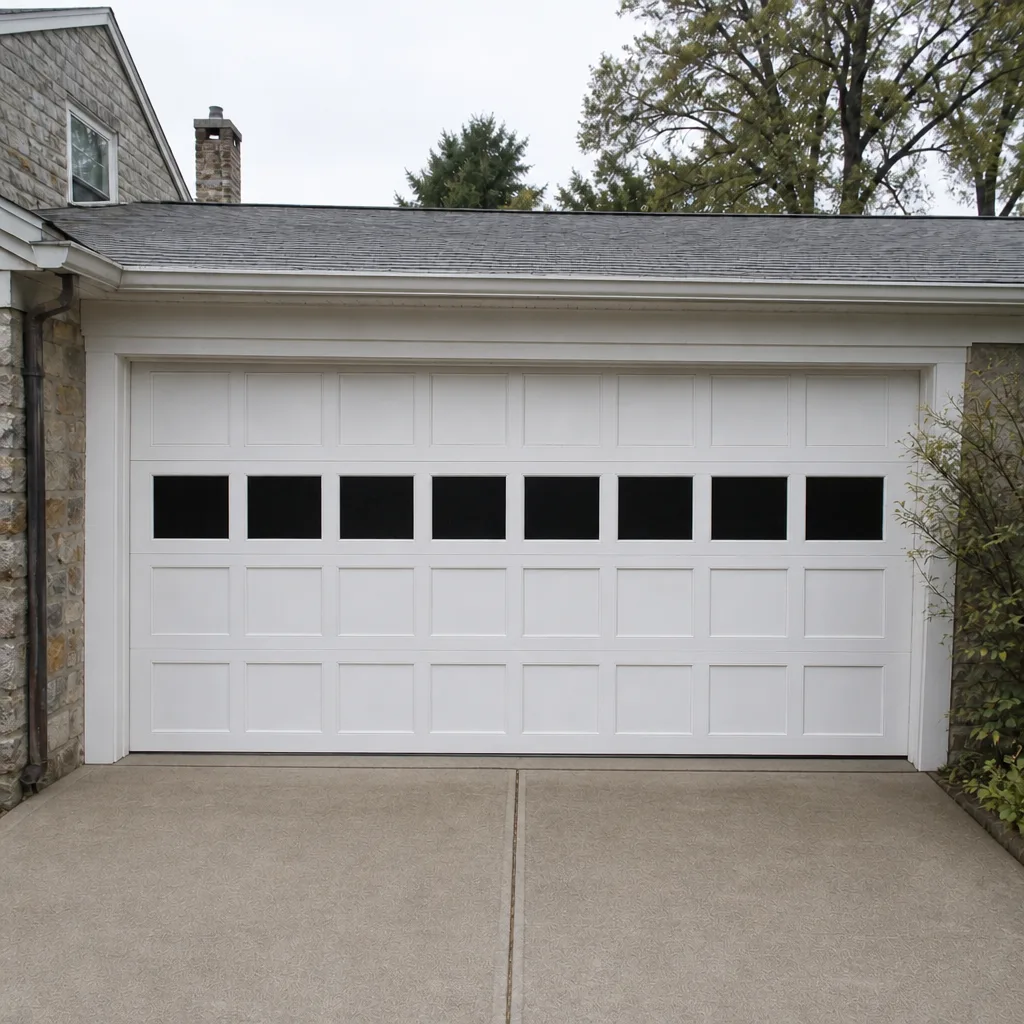 After
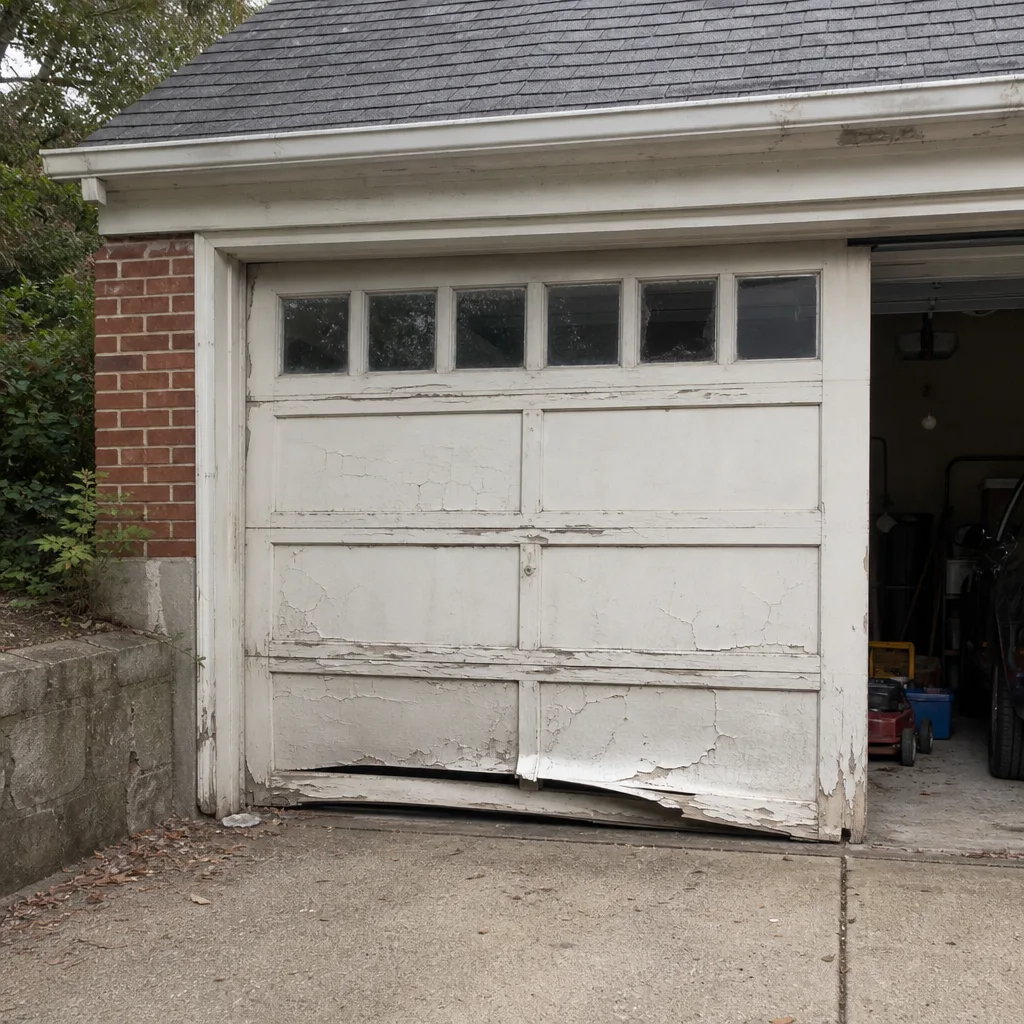 Before
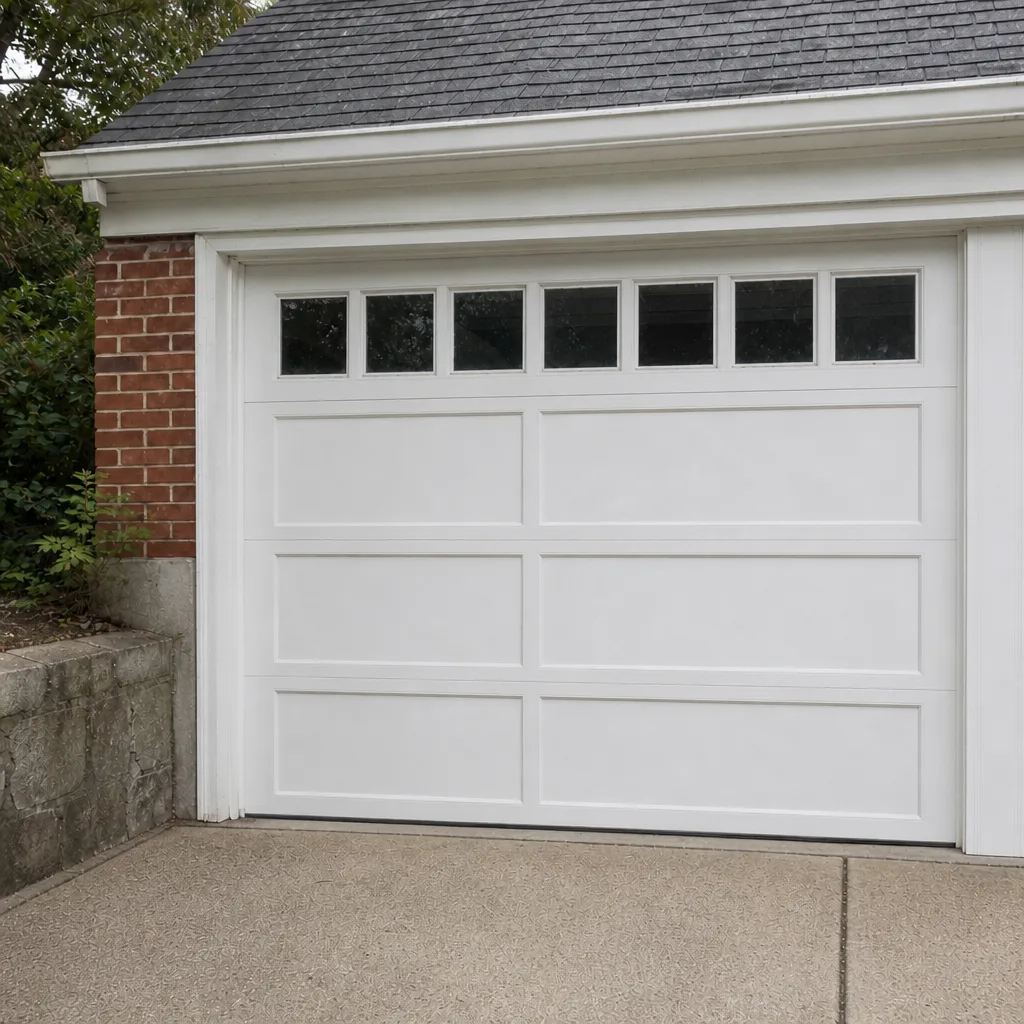 After
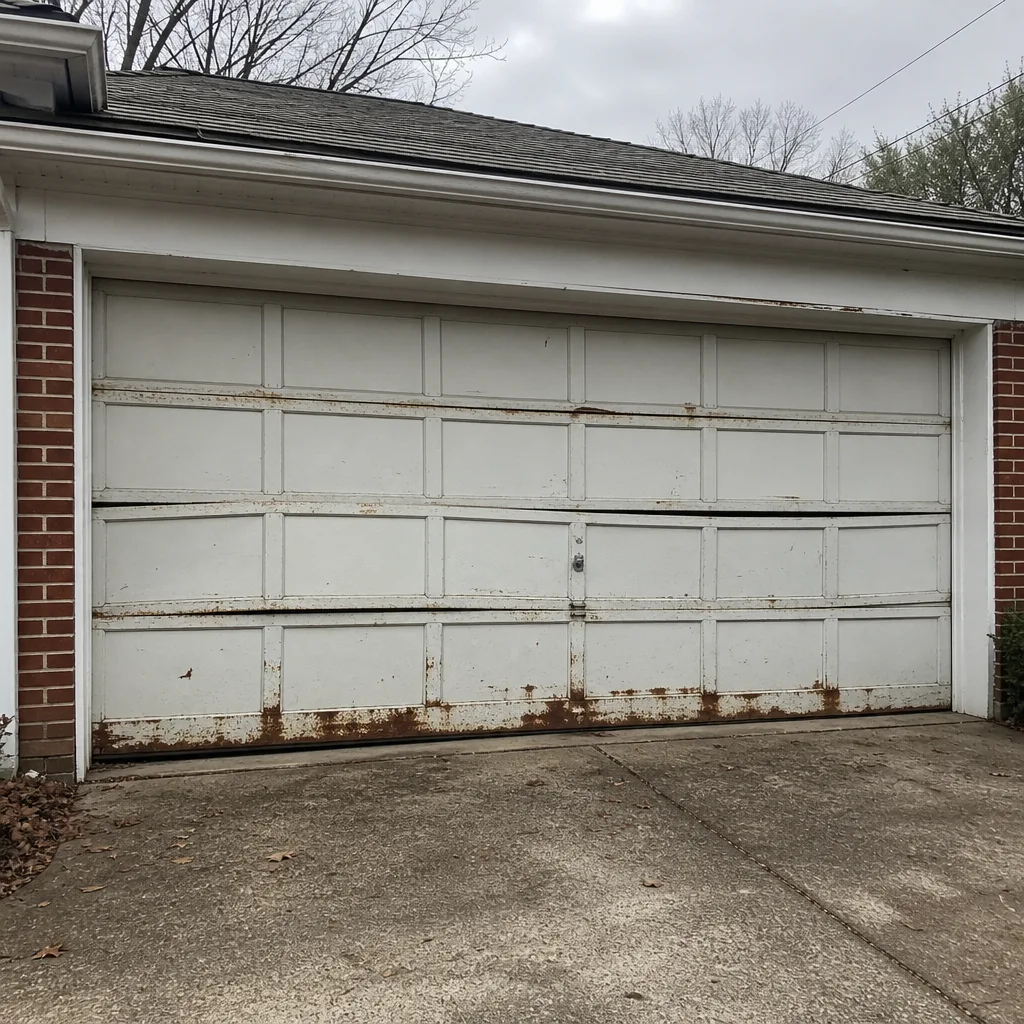 Before
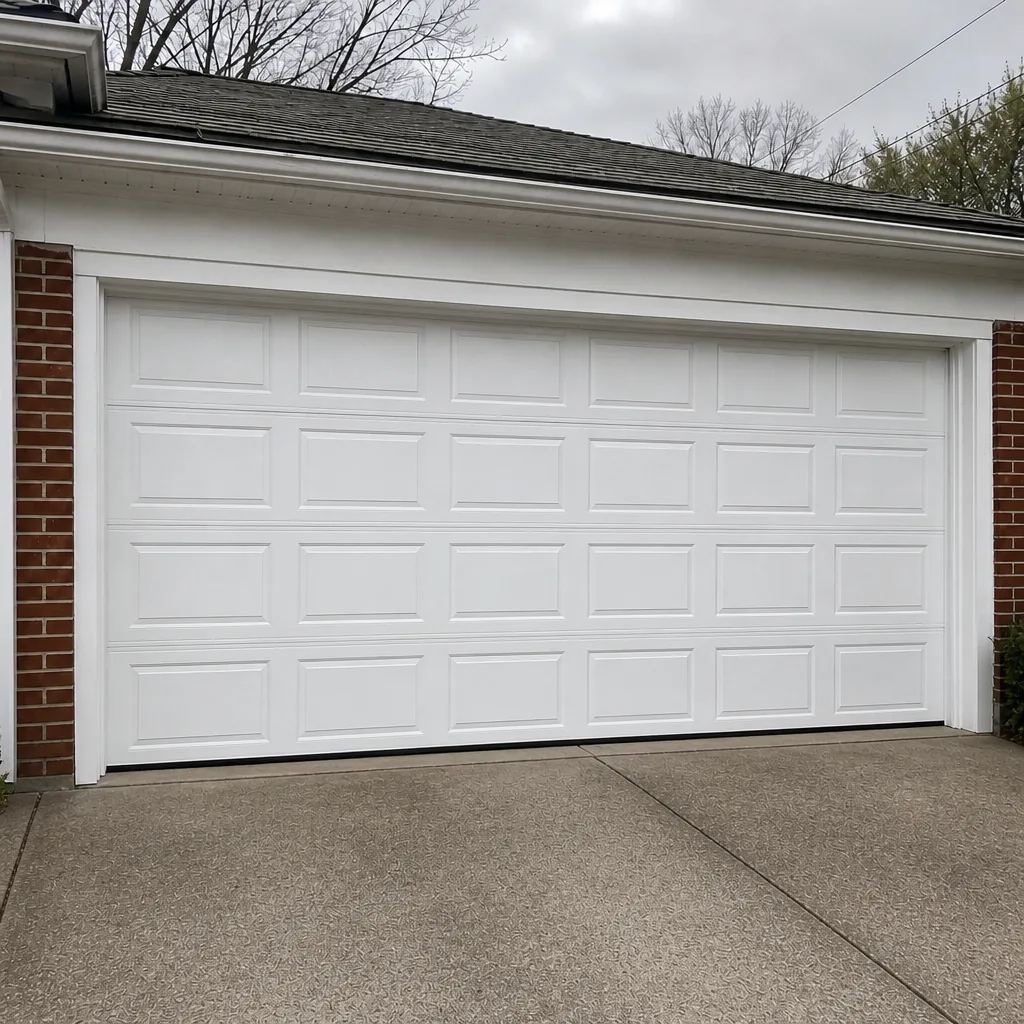 After